You tap play. The show starts in under two seconds. You don’t think about it twice.
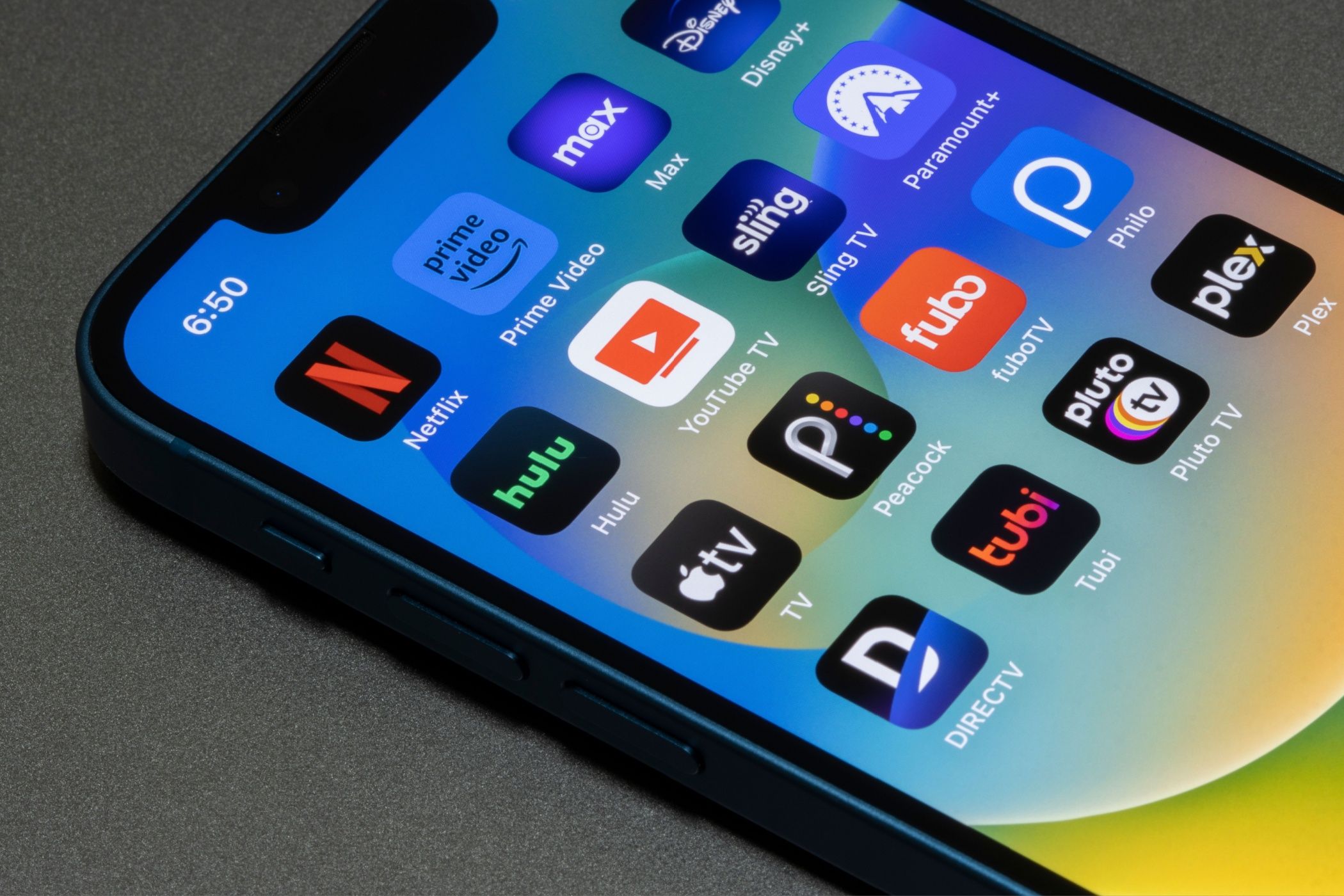
That’s the whole trick of on-demand entertainment — making something ridiculously complicated feel completely invisible. Netflix, Spotify, YouTube, Twitch — they’ve trained an entire generation to expect instant playback, personalized recommendations, and zero buffering, all at once.
Building one of these platforms from scratch? That’s a different story entirely. Let’s get into what it actually takes.
What Counts as an On-Demand Entertainment Platform
This isn’t just “streaming video.” It covers video-on-demand, music streaming, podcast platforms, live-streaming apps, and even hybrid models like Twitch that mix live content with on-demand replays.
The common thread: users expect to access content whenever they want, on whatever device they’re holding, without waiting around. No scheduled broadcast times, no “please stand by.” Just tap and go.
That expectation is exactly why these platforms are so much harder to build than they look.
The Backend Nobody Sees (Until It Breaks)
Here’s what’s actually happening in the background when you hit play. The video file isn’t sitting on one server somewhere waiting for you. It’s been split into chunks, encoded in multiple resolutions, and distributed across a content delivery network, so the copy closest to you loads fastest.
That’s called adaptive bitrate streaming. Your connection dips for a second, and the platform quietly switches you down to a lower resolution instead of freezing the whole video. You probably didn’t even notice the last time it happened. That’s the point.
Get this wrong and you’ll hear about it immediately — nothing kills a streaming app faster than buffering wheels and pixelated video. Users don’t file a support ticket. They just leave and don’t come back.
Recommendation Engines Are the Real Product
Here’s an uncomfortable truth for a lot of founders building in this space: the content isn’t really the product. The recommendation engine is.
Think about it. Netflix doesn’t just have shows — it has an algorithm deciding which shows to put in front of you based on watch history, time of day, even how long you hovered over a thumbnail before scrolling past it. Spotify’s Discover Weekly runs on the same logic, just for songs instead of shows.
Without that layer, you’ve basically built a digital video store. With it, you’ve built something that keeps people scrolling and watching far longer than they planned to.
This isn’t a simple feature to bolt on later either. It needs to be baked into the data architecture from day one — every click, pause, skip, and rewatch has to be logged and fed back into the model constantly.
Live Streaming Adds a Whole New Layer of Pain
On-demand and live streaming sound similar. They are not built the same way at all.
Live introduces latency problems that on-demand simply doesn’t have. A live sports app lagging 30 seconds behind real broadcast time is a disaster — people find out the score from a group chat before your app even shows the play happening.
Then there’s chat infrastructure, which live platforms like Twitch depend on heavily. Thousands of messages per second, moderation tools running in real time, emote rendering — none of that is trivial at scale. A poorly built chat system either lags badly or lets spam and abuse run wild, both of which drive people straight to a competitor.
Monetization Isn’t One-Size-Fits-All
There are basically three models here, and picking the wrong one for your audience will tank the platform regardless of how good the content is.
Subscription-based, like most premium streaming services, works when people want an uninterrupted experience and are willing to commit monthly. Ad-supported works better for casual, browsing-heavy audiences who won’t pay upfront but will tolerate a few interruptions. Hybrid models — free tier with ads, paid tier without — try to capture both groups at once, which is genuinely tricky to balance without annoying either side.
Whichever model you pick shapes your entire backend, honestly. Ad-supported platforms need real-time ad insertion technology. Subscription platforms need airtight DRM and content protection so people can’t just rip and redistribute what they’re paying to license.
Content Protection Is Non-Negotiable
If you’re licensing content from creators or studios, you legally have to protect it. Digital rights management, encrypted streaming, watermarking — this isn’t optional paperwork, it’s the reason rights holders will trust you with their catalog in the first place.
Skip this step or half-build it, and you won’t get a second licensing deal. Word travels fast in that world.
What People Actually Search For Here
If someone’s Googling “on-demand entertainment platform development,” they usually want to know: what tech stack handles video at scale, how does recommendation logic actually work, what’s the difference between building for live versus on-demand, and how do you avoid the buffering problems that kill user retention.
Node.js paired with MongoDB tends to show up a lot in this space because it handles the asynchronous, high-frequency data flow — think user interactions, watch events, real-time chat — reasonably well without becoming a bottleneck as things scale.
Why Web Squalix
Entertainment platforms live or die on things users never consciously notice — playback speed, recommendation accuracy, chat that doesn’t lag, content that doesn’t get pirated on day one. Miss any of those and the whole experience feels broken, even if the actual content is great.
Web Squalix builds with that invisible layer front and center rather than as an afterthought. Their work across streaming, healthcare platforms, and logistics systems means they’ve spent real time solving for real-time data flow and scalability under pressure — the exact muscle memory that separates a smooth “tap and play” experience from a platform people quietly stop opening.
learn more : https://www.squalix.com/media-app-development-company