Introduction
The pharmaceutical industry continues to evolve to meet the changing needs of healthcare providers, distributors, and patients. Alongside traditional tablets and liquid formulations, sachet packaging offers a practical format for certain pharmaceutical products. Its compact design, convenient handling, and individual packaging make it a useful option for products specifically approved for this dosage form.
Paracetamol is a widely used medicine for reducing fever and relieving mild to moderate pain when taken according to approved instructions. It is available in different formulations, strengths, and dosage forms, depending on the product and market requirements. The choice of formulation depends on factors such as the intended use, approved product specifications, and patient needs.
For pharmaceutical businesses, finding a suitable manufacturing partner involves more than identifying a product at a competitive price. Quality assurance, regulatory compliance, packaging standards, and dependable supply arrangements are equally important.
India’s pharmaceutical sector provides opportunities for businesses seeking medicine manufacturing and distribution partnerships. Understanding the manufacturing process and evaluating suppliers carefully can help buyers make informed decisions.
What Are Paracetamol Sachets?
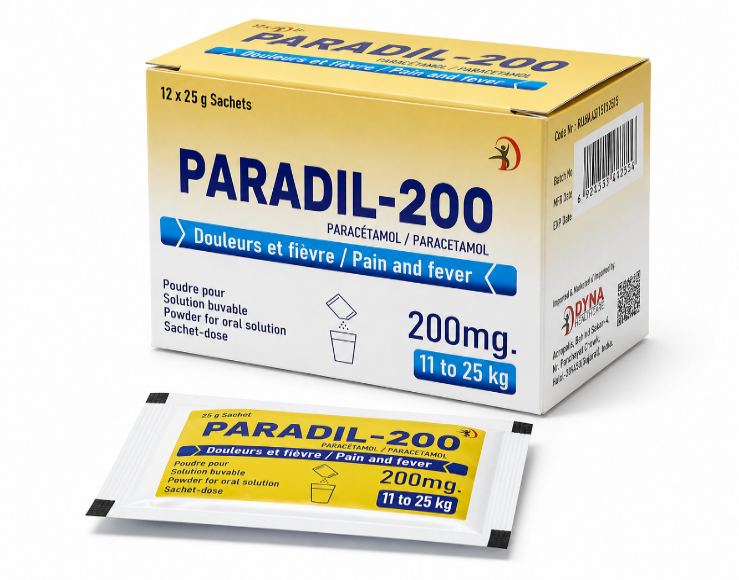
Sachets are small, sealed packages designed to contain a measured quantity of a pharmaceutical product. Depending on the approved formulation, paracetamol may be supplied in sachet-based formats containing powder or granules intended for the specified method of administration.
The packaging format can support convenient handling, storage, transportation, and distribution. Individual packs can also help protect the product from environmental exposure when the packaging system is appropriately designed and validated.
However, not all sachets contain the same formulation, and their contents should never be assumed to be interchangeable. Buyers must confirm the exact product composition, strength, dosage instructions, and approved route of administration before purchasing or distributing a pharmaceutical sachet product.
When selecting a paracetamol sachet manufacturer India, pharmaceutical businesses should also evaluate product quality, packaging standards, regulatory compliance, and the supplier’s ability to meet their specific requirements.
Why Pharmaceutical Businesses Choose Sachet Packaging
Packaging plays an important role in pharmaceutical distribution. A suitable sachet format can offer several practical advantages when it is appropriate for the particular medicine.
1. Convenient Handling
Individual packaging can make products easier to handle and distribute. Depending on the formulation, sachets may be suitable for organised dispensing and supply through authorised pharmaceutical distribution channels.
Their compact format can also support convenient storage when the product is kept under the recommended conditions.
2. Measured Product Quantity
Sachets are designed to contain a specified quantity of a product. Appropriate manufacturing controls help ensure that the contents meet the approved specifications.
The quantity in each sachet must be clearly identified, and the product should be used only according to its approved instructions. Accurate packaging and labelling are important for both healthcare professionals and end users.
3. Packaging and Transportation
Well-designed packaging can help protect a pharmaceutical product during storage and transportation. The packaging material should be suitable for the formulation and provide the required protection against moisture, light, or other environmental factors where applicable.
Manufacturers should establish suitable packaging specifications and conduct appropriate assessments to demonstrate that the packaging performs as intended throughout the product’s shelf life.
How to Choose a Reliable Pharmaceutical Manufacturer
Selecting a pharmaceutical supplier requires careful evaluation of its manufacturing arrangements, quality systems, documentation, and business practices.
Product Quality and Testing
Quality assurance should be a central consideration when selecting a supplier. Pharmaceutical products must meet the relevant specifications for their ingredients, strength, purity, and other quality characteristics.
Depending on the formulation, testing may include checks for active ingredient content, uniformity, moisture levels, microbial quality, and other applicable parameters.
Manufacturers should maintain suitable records showing that products have been manufactured and tested according to approved procedures. Buyers should request relevant quality documentation and verify that it applies to the specific product being purchased.
Manufacturing Standards
Good Manufacturing Practices, commonly known as GMP, establish requirements intended to support consistent pharmaceutical quality. These practices address production processes, personnel training, equipment, facilities, documentation, and quality control.
The World Health Organization explains that GMP helps ensure medicines are consistently produced and controlled according to appropriate quality standards. Businesses can consult its official guidance when evaluating pharmaceutical manufacturing practices.
Regulatory Compliance
Pharmaceutical manufacturing and distribution are subject to regulatory requirements. In India, the Central Drugs Standard Control Organization (CDSCO) and the relevant state drug licensing authorities have regulatory responsibilities under the applicable legal framework.
Before entering a business relationship, buyers should verify relevant licences, product approvals, and other documentation. Requirements can vary depending on the product, manufacturing arrangement, and intended market.
The Role of Quality Control in Sachet Production
Quality control is essential throughout the manufacturing and packaging process. It helps ensure that the finished product meets its established specifications and remains suitable for its intended use.
The process begins with the evaluation of raw materials and packaging components. Materials should meet the relevant specifications before they are used in production.
During manufacturing, appropriate controls may be required for blending, filling, sealing, and packaging. Depending on the product, manufacturers may assess fill quantity, seal integrity, moisture protection, and other critical quality characteristics.
Finished products must undergo the testing and review required by their approved specifications and applicable regulations before release.
Documentation is equally important. Batch records, test results, packaging records, and distribution information support traceability and help businesses investigate quality concerns if they arise.
These measures demonstrate why quality must be built into the manufacturing process rather than assessed only through the final product.
Why Packaging and Labelling Matter
Packaging protects the product, while labelling communicates essential information to healthcare professionals, distributors, and consumers.
Pharmaceutical sachets should carry the information required by applicable regulations. Depending on the product and market, this may include the product name, active ingredient, strength, batch number, manufacturing and expiry dates, storage instructions, and directions for use.
Labels must be accurate, legible, and consistent with the approved product information. Packaging materials must also be suitable for the formulation and its intended storage conditions.
For businesses supplying multiple markets, additional language, labelling, or documentation requirements may apply. These should be confirmed before production and shipment to prevent avoidable compliance issues.
What Distributors Should Consider Before Ordering
Pharmaceutical distributors and wholesalers should establish their requirements before approaching a supplier. Important considerations include the required formulation, product strength, packaging configuration, order quantity, target market, and expected delivery schedule.
It is also advisable to discuss minimum order quantities, commercial terms, product availability, shelf life, and the documentation that will accompany each shipment.
Businesses should evaluate the supplier’s communication practices and its ability to respond to technical or commercial questions. Clear expectations can help reduce misunderstandings and support a more organised procurement process.
For international transactions, buyers should additionally confirm the destination country’s import requirements, product registration status, and applicable shipping documentation.
A structured evaluation process can help businesses select suppliers based on verified capabilities rather than price alone.
Dyna Healthcare and Pharmaceutical Supply Requirements
Dyna Healthcare can use informative, customer-focused communication to explain its pharmaceutical product offerings and address the needs of prospective business customers.
For distributors exploring paracetamol sachet products, relevant discussions may include product specifications, packaging options, availability, quality documentation, and applicable regulatory requirements.
Businesses looking for a paracetamol sachet manufacturer India should evaluate each prospective supplier’s actual manufacturing arrangements, licences, quality systems, and ability to meet their purchasing requirements.
Transparent communication is important when establishing a pharmaceutical supply relationship. Product claims, manufacturing capabilities, certifications, and export services should be clearly explained and supported by appropriate documentation.
A reliable business relationship depends on more than promotional messaging. Consistent product information, responsible commercial practices, and attention to regulatory obligations help create a stronger foundation for long-term cooperation.
Benefits of Working with a Dependable Supplier
A suitable pharmaceutical supplier can help distributors manage their purchasing requirements more effectively.
Consistent product specifications and quality records allow buyers to evaluate products with greater confidence. Clear order procedures and realistic delivery schedules can also support inventory planning.
Appropriate packaging and accurate labelling help businesses meet applicable distribution requirements. In addition, responsive customer service can make it easier to obtain updated documents, confirm product availability, and address order-related concerns.
However, supplier evaluation should continue throughout the business relationship. Buyers should periodically review relevant licences, product approvals, quality documentation, and commercial performance.
These steps help businesses maintain a more structured procurement process and respond appropriately when requirements change.
Conclusion
Sachet packaging can provide a practical format for pharmaceutical products when it is appropriate for the formulation and supported by suitable quality controls. Successful pharmaceutical sourcing requires careful attention to product specifications, manufacturing standards, packaging integrity, documentation, and regulatory compliance.
India’s pharmaceutical sector offers opportunities for domestic and international businesses seeking manufacturing and distribution partnerships. Nevertheless, buyers should verify supplier capabilities and applicable approvals before placing orders.
For businesses considering pharmaceutical sachet products, a well-informed supplier evaluation can support better purchasing decisions and more dependable supply arrangements. Dyna Healthcare can communicate its relevant product and business services transparently, helping prospective customers understand the information required to assess a potential partnership.