Polydactyl Maine Coon Cats and Black Silver Tabby Coats A Guide for Future Cat Owners
Choosing a Maine Coon kitten is an exciting decision, especially when you are drawn to unusual features such as extra toes or a striking silver coat. These cats are known for their large size, long fur, expressive eyes, and often affectionate personalities. However, finding the right kitten involves more than appearance. Health, early socialization, living conditions, and responsible breeding practices all deserve careful consideration.
Whether you are researching polydactyl Maine Coons or exploring different coat patterns, learning about the breed can help you make an informed choice. For families in Oregon, USA, understanding what to ask a breeder and how to prepare for a kitten is a useful first step toward responsible cat ownership.
What Makes Maine Coon Cats So Special?
Maine Coons are among the most recognizable domestic cat breeds. Their long, flowing coats, bushy tails, tufted ears, and sturdy bodies give them a distinctive appearance. Despite their impressive size, many Maine Coons are known for their friendly, curious, and people-oriented behavior.
Every cat has an individual temperament, but Maine Coons often enjoy spending time near their families. Some follow their owners from room to room, while others prefer relaxing in the same space without constant attention.
Their thick coats and substantial size also mean they need suitable nutrition, regular grooming, and enough room to move, climb, and play.
Are Maine Coons Suitable for Families?
Maine Coons can be wonderful companions for families that understand their needs. They may enjoy interactive play and companionship, but children should learn how to handle cats gently and recognize when a cat needs space.
A calm introduction to other household pets is equally important. Supervision, separate resting areas, and gradual introductions can help everyone adjust.
Before choosing a kitten, consider your daily routine, budget, and ability to provide long-term care. Maine Coons can live for many years, so bringing one home is a lasting commitment rather than a short-term decision.
Understanding Polydactyl Maine Coon Cats
One feature that makes certain Maine Coons especially distinctive is polydactyly. A polydactyl cat is born with more toes than the usual number. The extra digits often create broad, mitten-like paws that give the cat a memorable appearance.
Most cats have five toes on each front paw and four on each back paw. Polydactyl cats may have additional toes on one or more paws. The number and arrangement can vary between individual cats.
Polydactyly is a naturally occurring inherited trait. It is not a separate breed, and an extra-toed Maine Coon is still a Maine Coon.
Why Do Some Maine Coons Have Extra Toes?
The trait is associated with a genetic variation that affects paw development. It can be passed from parent to offspring, although the exact appearance may differ among related cats.
Extra toes do not automatically make a cat healthier, more intelligent, or better suited to a particular household. They are simply a distinctive physical characteristic.
Owners should check the claws on every toe during regular grooming. Depending on their position, some claws may not wear down naturally and may require more frequent trimming.
What Should You Know Before Choosing One?
If you are searching for a polydactyl Maine Coon for sale, look beyond photographs and the number of toes. Ask about the kitten’s health history, veterinary examinations, parents, socialization, and living environment.
A responsible breeder should be willing to explain how the kittens are raised and answer reasonable questions. They should also provide clear information about the kitten’s age, vaccination and deworming history, feeding routine, and any known health concerns.
You should have an opportunity to review the relevant records before making a commitment. Avoid choosing a kitten solely because its paws look unusual or because a seller claims the trait makes the cat rare or more valuable.
How to Find a Maine Coon Kitten in Oregon
Finding a kitten can take time, especially when you have a specific coat pattern, temperament preference, or interest in polydactyly. Start by researching breeders, learning about the breed, and comparing the information each breeder provides.
People looking for a Maine Coon for sale should ask for more than the purchase price and a few photographs. Reliable information about the kitten’s upbringing and health is essential to making a thoughtful decision.
Consider asking these questions:
-
How old is the kitten, and when can it safely leave its mother?
-
What veterinary care has it received?
-
What food is the kitten currently eating?
-
How has it been socialized with people and everyday household sounds?
-
What health screening has been performed on the parents?
-
Is there a written sales agreement with clear health and return policies?
-
What support is available after the kitten goes home?
A trustworthy breeder should not pressure you to pay immediately or avoid basic questions. Be cautious if records are unavailable, the kitten’s living conditions cannot be explained, or the seller insists on an unusual payment method without providing verifiable information.
Researching Cat Breeders in Oregon
Families researching cat breeders in Oregon can begin by checking breeder websites, asking for references, and looking for transparent information about breeding practices. Breed organizations and veterinary professionals may also offer useful guidance on breed-specific health considerations.
A professional-looking website alone does not prove that a breeder follows responsible practices. Whenever possible, arrange a live video conversation or an in-person visit if appropriate and permitted. Observe whether the kittens appear alert, clean, and comfortable, and ask to see where they are raised.
Responsible breeding should prioritize the welfare of the cats rather than simply producing kittens with fashionable appearances. A good breeder will also want to know whether your household is prepared to care for the kitten throughout its life.
What Is a Black Silver Tabby Maine Coon?

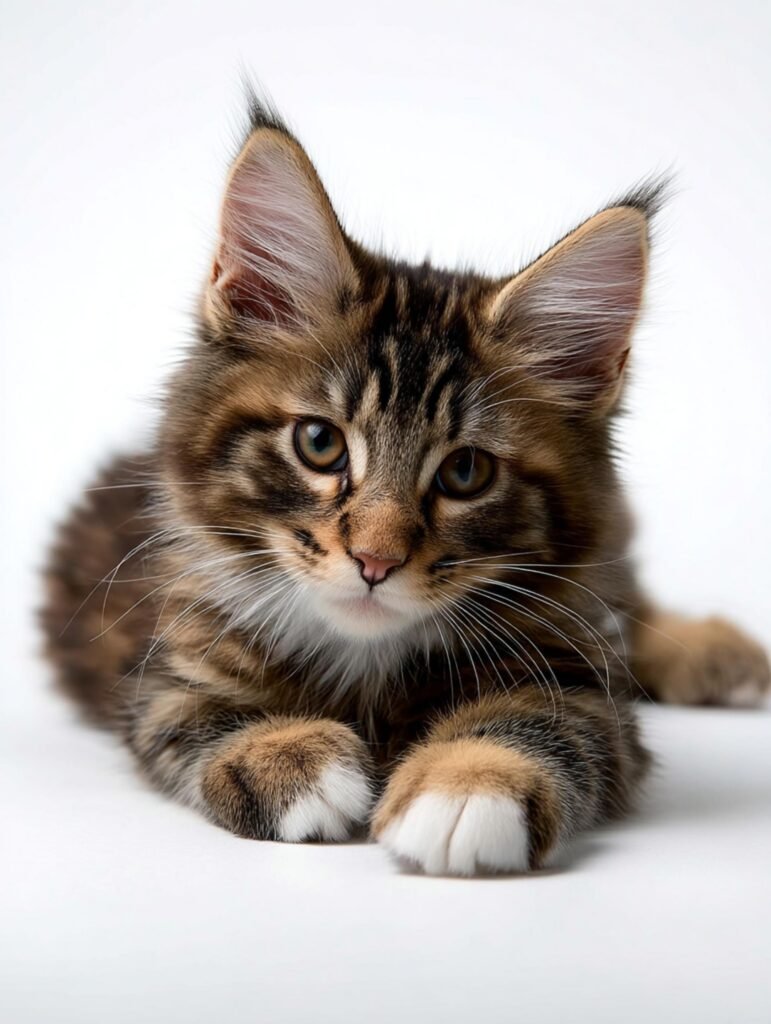
The black silver tabby Maine Coon is admired for its contrast between a pale, silvery background and darker markings. The coat can feature stripes, swirls, or other tabby patterns, depending on the cat’s genetic makeup.
The silver appearance comes from the way pigmentation is distributed along the hair. The overall effect can range from a bright, cool silver to a darker coat with strong black markings.
Because Maine Coons have long, layered fur, the pattern may look different across the shoulders, sides, legs, and tail. Lighting, seasonal coat changes, and grooming can also influence how the colors appear in photographs.
Common Tabby Patterns
Tabby is a pattern description rather than a separate breed. Several familiar patterns may appear in Maine Coons:
-
Classic tabby: Broad swirls or curved markings along the body.
-
Mackerel tabby: Narrow stripes running down the sides, often resembling a fish skeleton.
-
Spotted tabby: Spots or broken stripes across the coat.
-
Ticked tabby: Individual hairs show bands of color, creating a different overall appearance.
The exact pattern can be easier to recognize as a kitten matures and its adult coat develops. If you have a preference, ask the breeder how the coat is described and whether the kitten’s pattern is expected to change with age.
Does Coat Color Affect Personality?
No reliable rule says that a black silver tabby Maine Coon will have a particular personality because of its coat. Temperament is influenced by several factors, including genetics, early experiences, socialization, and the individual cat’s nature.
When choosing a companion, pay attention to how the kitten responds to people, explores its surroundings, and recovers from unfamiliar experiences. A kitten that is curious and comfortable during a gentle interaction may be a good match, but one brief meeting cannot predict its entire adult personality.
Did You Know?
Maine Coons have several features that help distinguish them from many other domestic cats.
-
Their long, bushy tails can help provide warmth when they curl up in cold conditions.
-
Their coat is often longer around the chest and tail, giving them a particularly full appearance.
-
Polydactyly is a naturally occurring trait found in cats beyond the Maine Coon breed.
-
Coat patterns such as black silver tabby do not determine a cat’s temperament.
-
Regular claw checks are especially important for cats with extra toes, as some claws may be less likely to wear down through everyday movement.
These details are useful reminders that a cat’s appearance is only one part of what makes it a suitable companion.
Health Considerations Before Bringing a Kitten Home
A kitten’s current appearance cannot tell you everything about its long-term health. Maine Coons may be affected by inherited conditions, including hypertrophic cardiomyopathy (HCM), a disease of the heart muscle. Hip dysplasia and certain other health problems may also occur in the breed.
Responsible breeders should understand the relevant health risks and explain which screening methods have been used. Genetic testing can help identify certain inherited variants, but it does not rule out every possible disease. For example, a DNA test for a known HCM-associated variant is not a substitute for appropriate veterinary assessment or cardiac screening when recommended.
Ask for documentation rather than relying on verbal assurances. A veterinarian can also help you understand which examinations and preventive treatments are appropriate for the kitten’s age and circumstances.
Health Checks for Polydactyl Cats
Extra toes do not necessarily cause health problems, but their arrangement deserves attention. Ask whether the kitten’s extra digits and claws have been examined and whether any nail-care considerations have been identified.
After bringing the kitten home, schedule a veterinary appointment and establish a routine for monitoring its weight, appetite, coat, eyes, ears, and behavior. Contact a veterinarian if you notice persistent limping, pain around the paws, an overgrown claw, or difficulty walking.
Grooming, Nutrition, and Everyday Care
Maine Coons generally benefit from regular brushing to reduce loose fur and prevent tangles. Begin gently while the kitten is young so grooming becomes a familiar part of daily life.
Check areas where mats commonly form, including behind the ears, beneath the front legs, around the belly, and near the hindquarters. Use a suitable brush or comb, and avoid pulling tightly tangled fur. Severe mats may need professional assistance.
Nutrition matters just as much as grooming. Choose a complete and balanced food appropriate for the kitten’s age and growth stage. Fresh water should always be available, and treats should make up only a small part of the diet.
Avoid assuming that every Maine Coon needs the same portion size. Feeding requirements depend on age, body condition, activity, and individual health. Your veterinarian can help you establish a suitable feeding plan.
Preparing Your Home
Before the kitten arrives, prepare a quiet room with food, water, a litter tray, bedding, toys, and a safe hiding place. Keep the litter tray away from feeding areas and choose a tray large enough for the cat to use comfortably as it grows.
Provide sturdy scratching posts, climbing opportunities, and interactive toys. Secure windows, remove toxic plants, store cleaning products safely, and keep electrical cords out of reach.
If you already have pets, introduce them gradually. Allow the new kitten time to settle into its surroundings before expecting it to interact confidently with everyone in the household.
Exploring NW Coonies in Oregon
For prospective owners researching Maine Coons, NW Coonies is a Maine Coon-focused resource based in Oregon, USA. Its website provides information about kittens, including a page dedicated to polydactyl Maine Coons.
You can explore the available information here: NW Coonies polydactyl Maine Coon kittens.
Use the page as a starting point for learning about the cats and asking questions about current availability. Before deciding to purchase a kitten, verify the details that matter to your household, including veterinary records, parent health screening, socialization, contract terms, and arrangements for bringing the kitten home.
Availability can change, so confirm current details directly rather than assuming that a particular kitten or coat pattern is available.
Frequently Asked Questions
What is a polydactyl Maine Coon?
A polydactyl Maine Coon is a Maine Coon cat born with more toes than usual on one or more paws. The trait is inherited and can produce distinctive, broad-looking paws. Extra toes do not make the cat a separate breed.
Are polydactyl Maine Coons good family pets?
They can be excellent companions when their individual temperament, health, and needs suit the household. As with any cat, gentle handling, appropriate socialization, regular veterinary care, and a safe environment are important.
How can I find a polydactyl Maine Coon for sale in Oregon?
Research breeders, ask about parent health screening, review veterinary records, and learn how kittens are raised. You can also explore the information available through NW Coonies and contact the business to confirm current availability and details.
Is a black silver tabby Maine Coon rare?
Its appearance can be distinctive, but availability varies by breeder and litter. Ask how the coat pattern is identified and remember that coat color alone does not indicate health, temperament, or breeding quality.
Do polydactyl Maine Coons need special grooming?
Their coats generally require routine brushing, much like those of other long-haired Maine Coons. Their extra toes may require additional claw checks because certain nails can be harder to wear down naturally.
What health tests should I ask a Maine Coon breeder about?
Ask which inherited conditions are relevant to the parents and what screening has been performed. Discuss HCM-related genetic testing, appropriate cardiac assessment, and other breed-relevant evaluations. A veterinarian can explain the limitations of each test and what further checks may be appropriate.
At what age should a kitten go to its new home?
Kittens should not leave their mother too early. Many responsible breeders arrange placement at around 12–14 weeks, depending on the kitten’s development, veterinary care, and applicable requirements. Ask the breeder to explain the planned timing and why it is appropriate.
Final Thoughts
Choosing a Maine Coon is about finding a healthy, well-socialized companion whose needs fit your home. Polydactyl paws and black silver tabby markings can make these cats especially appealing, but appearance should never replace careful research.
Take time to evaluate the breeder, review relevant health information, ask direct questions, and prepare your home before bringing a kitten home. For families in Oregon, resources such as NW Coonies can help begin the research process, while independent verification and veterinary guidance remain essential.
With thoughtful preparation and a long-term commitment to care, you can make a more confident decision and give your new companion a safe, comfortable start.
- Black Silver Tabby Maine Coon
- Cat Breeders Oregon
- Extra-Toed Cats
- Kitten Grooming
- Kitten Socialization
- Maine Coon Care
- Maine Coon Cats
- Maine Coon for Sale
- Maine Coon Health
- Maine Coon Kittens
- Maine Coon Kittens Oregon
- NW Coonies
- Oregon Cat Breeders
- Polydactyl Maine Coon
- Polydactyl Maine Coon for Sale
- Responsible Cat Breeding