Maintaining good oral health involves more than brushing your teeth every day. Proper tooth alignment, a healthy bite, and effective cleaning habits all play important roles in protecting your teeth and gums. When teeth are crooked, crowded, or incorrectly positioned, maintaining oral hygiene can become more challenging. Dental braces offer an orthodontic solution that can improve tooth alignment and support better dental function.
Although many people consider braces primarily a cosmetic treatment, their benefits can extend beyond creating a straighter smile. Depending on your dental condition, orthodontic treatment may make cleaning easier, improve bite alignment, and help address certain problems caused by irregular tooth positioning. Understanding these benefits can help you make informed decisions about your oral health.
How Dental Braces Improve Tooth Alignment
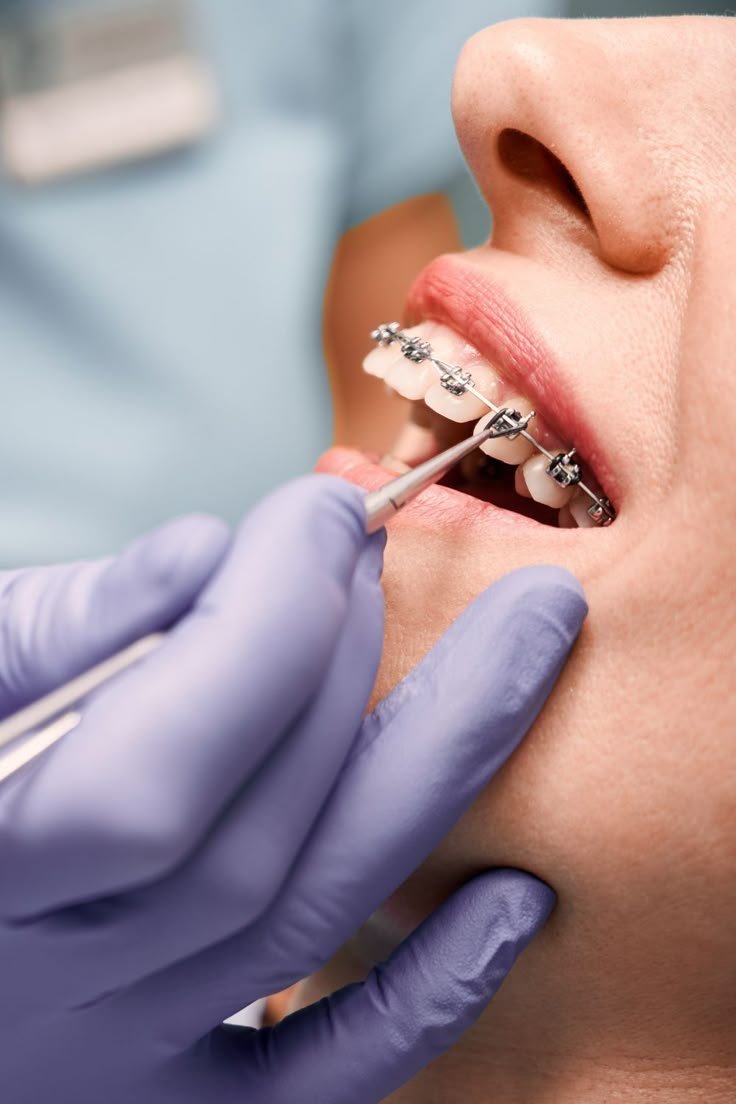
Dental braces are orthodontic appliances that gradually move teeth into more appropriate positions. They use controlled pressure to guide teeth through the surrounding supporting tissues over time.
When teeth are properly aligned, they can form a more balanced dental arch. This can improve the appearance of your smile while supporting normal dental function.
Crowded, rotated, or overlapping teeth may create areas that are difficult to reach during brushing and flossing. Correcting these alignment issues can make some tooth surfaces easier to clean, helping you maintain a more effective oral hygiene routine.
The exact results depend on your original tooth positions, bite, and overall dental health. A professional examination helps determine whether braces are the most suitable option.
1. Make Daily Oral Hygiene Easier
One of the important potential benefits of orthodontic treatment is improved access to certain areas of the teeth. Crowded teeth can create narrow spaces where food particles and plaque accumulate.
These areas may be difficult to clean thoroughly, even when you brush regularly. Over time, inadequate plaque removal can increase the risk of cavities and gum inflammation.
By correcting appropriate alignment problems, braces may make some surfaces easier to reach with a toothbrush and dental floss after treatment. However, braces themselves require careful cleaning while they are being worn.
Brushing twice daily with fluoride toothpaste, cleaning around brackets, and using suitable interdental cleaning tools can help protect your teeth throughout orthodontic treatment.
2. Support Healthier Gums
Healthy gums are essential for keeping your teeth firmly supported. Plaque accumulation along the gumline can lead to inflammation, redness, swelling, and bleeding.
When teeth overlap or sit close together, cleaning around the gumline may be more difficult. Orthodontic treatment can improve alignment in suitable cases, potentially making daily gum care easier.
Nevertheless, braces do not automatically prevent gum disease. In fact, plaque can accumulate around brackets and wires if cleaning is inadequate.
Maintaining a consistent oral hygiene routine and attending professional dental checkups are essential during treatment. Your dentist may also recommend a professional cleaning when necessary to keep your gums healthy.
3. Improve Bite Alignment
A healthy bite allows the upper and lower teeth to meet appropriately when you close your mouth. Problems such as overbite, underbite, and crossbite can cause uneven contact between teeth.
Dental braces can help correct many bite irregularities by moving teeth into better positions. Depending on the underlying condition, treatment may improve chewing function and distribute biting forces more evenly.
Some bite problems also involve jaw position or growth, meaning braces alone may not be sufficient. Your orthodontist will assess your bite and explain whether additional appliances or other treatments are needed.
Correcting suitable bite problems can contribute to better dental function and a more comfortable smile.
4. Help Reduce Uneven Tooth Wear
When teeth do not meet properly, particular teeth may experience excessive pressure during chewing. This uneven contact can contribute to wear on certain tooth surfaces over time.
Orthodontic treatment may help improve the way teeth meet, reducing uneven contact in appropriate cases. This can support a more balanced bite and help protect tooth structure from some forms of avoidable wear.
However, tooth wear can have several causes, including grinding, erosion, and dietary habits. Braces are not a solution for every cause, so your dental professional should evaluate the underlying problem before recommending treatment.
5. Address Crowding and Overlapping Teeth
Crowded teeth can affect both the appearance of your smile and your ability to clean between teeth effectively. Overlapping teeth may trap food particles and create areas where plaque builds up.
Braces gradually reposition teeth to improve their arrangement within the dental arch. Depending on the amount of crowding, treatment may involve additional orthodontic techniques to create sufficient space.
Once alignment improves, cleaning may become more manageable in previously difficult areas. This can support better preventive care when combined with regular brushing, flossing, and dental examinations.
Your orthodontist will determine the safest approach according to your tooth positions, available space, and overall oral health.
6. Improve Comfort During Chewing
Misaligned teeth and bite irregularities can sometimes interfere with comfortable chewing. Certain teeth may contact prematurely, while others may not meet effectively.
By improving tooth positioning and correcting selected bite problems, orthodontic treatment may help chewing feel more balanced. The extent of improvement depends on the cause of the problem and the complexity of the treatment.
If you experience persistent jaw pain, difficulty chewing, or discomfort when biting, seek a professional assessment rather than assuming braces are the only solution.
A thorough evaluation can identify the cause of your symptoms and help determine the most appropriate treatment.
7. Encourage Better Long-Term Dental Care
Orthodontic treatment can be an opportunity to establish stronger oral hygiene habits. Patients wearing braces often need to pay closer attention to brushing, flossing, food choices, and regular dental visits.
These habits remain important after treatment is complete. Once the braces are removed, retainers help maintain the new tooth positions and reduce the risk of unwanted shifting.
Continuing preventive dental care helps protect your investment in orthodontic treatment. Regular checkups allow your dentist to identify potential problems early and recommend suitable care.
Choosing Dental Braces in Islamabad
If you are considering orthodontic treatment, choosing a qualified dental professional is an important first step. People searching for Dental Braces in Islamabad should look for a clinic that provides a comprehensive dental examination, discusses suitable treatment options, and develops a personalised plan.
Before beginning treatment, ask about the expected duration, total cost, oral hygiene requirements, and follow-up appointments. It is also helpful to understand whether your dental concerns can be corrected with braces alone or require additional care.
A professional consultation can help you understand the potential benefits and limitations of treatment based on your individual needs.
Conclusion
Dental braces can positively influence oral health by improving tooth alignment, helping address certain bite problems, and making some areas easier to clean. They may also support more balanced chewing and help reduce uneven tooth contact in appropriate cases.
However, healthy teeth and gums require consistent care throughout and after orthodontic treatment. Proper brushing, daily interdental cleaning, regular dental visits, and wearing retainers as instructed all contribute to maintaining your results.
If you have concerns about crooked teeth, crowding, or bite alignment, consult a qualified dental professional to explore the most suitable options for achieving a healthier smile.
Frequently Asked Questions (FAQs)
1. How do dental braces improve oral health?
Dental braces can correct crooked and crowded teeth, improve certain bite problems, and make some tooth surfaces easier to clean. These changes may support better oral hygiene and dental function when combined with regular professional care.
2. Can dental braces help prevent gum disease?
Braces do not directly prevent gum disease. However, correcting certain alignment problems may make cleaning easier after treatment. Good brushing, flossing, and regular dental checkups remain essential for healthy gums.
3. Do dental braces improve chewing function?
Braces can improve chewing function when the problem is related to tooth alignment or certain bite irregularities. Results depend on the underlying condition, and a dental professional should assess persistent chewing difficulties.
4. Where can I find Dental Braces in Islamabad?
You can explore orthodontic clinics in Islamabad and schedule a consultation with a qualified orthodontist or appropriately trained dental professional. Look for a provider who offers a detailed assessment, personalised treatment planning, transparent costs, and regular follow-up care.
For more information visit
Enfield royal clinic in islamabad