Finding damage on your car can be frustrating, especially when you rely on it to get to work, take children to school or run errands around Sydney. Whether your vehicle has been in an accident, developed engine trouble or suffered storm damage, you may need to decide whether to pay for repairs or sell it as it is.
The right choice depends on the repair cost, your car’s current value, its age and condition, and how much you rely on it. Repairing may make sense if the damage is minor and the vehicle is otherwise reliable. Selling may be a better option if repairs are expensive or more problems are likely.
This guide explains how to assess the damage, compare costs, consider insurance and registration, and decide what to do next.
Understand the Type of Damage
Start by finding out what is wrong with the vehicle. Scratches, small dents, a broken mirror or a damaged headlight may be relatively affordable to fix. If the car is otherwise in good condition, repairing this type of damage may be worthwhile.
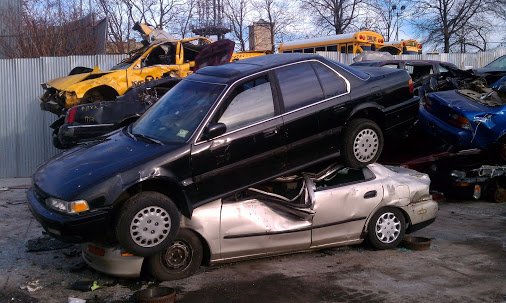
Mechanical problems need closer attention. Engine faults, transmission trouble, overheating, steering issues and brake failures can lead to costly repairs. Accident damage can also be more serious than it appears. An impact may affect the suspension, cooling system, steering or structural parts, even if the exterior looks reasonable.
Flood and storm damage require particular care because water can affect electrical systems, sensors, carpets, engine components and safety equipment. Some faults may not appear straight away. If you suspect the car is unsafe, do not drive it until a qualified professional has checked it. Knowing the extent of the damage gives you a sound basis for comparing repair costs with the vehicle’s value.
Get a Reliable Repair Estimate
Avoid making a decision based on a guess. Ask a qualified mechanic or repairer to inspect the vehicle and provide a written estimate. It should explain the required work, parts and labour, and whether further checks may be needed. Ask whether the price includes GST and other likely charges.
If the car is older, ask whether other components may soon need attention. Tyres, brakes, the battery or suspension could add to the cost. If the estimate is high or unclear, consider getting a second opinion.
Price matters, but it should not be the only factor. The quality of the work, parts used and repairer’s experience are important, particularly when safety systems or structural damage are involved. Once you have a realistic estimate, compare it with the car’s likely value and the cost of replacing it.
Compare Repair Costs With Your Car’s Value
Research similar vehicles for sale in Sydney. Compare the make, model, year, variant, kilometres and general condition. Service history and registration status can also affect value. Remember that advertised prices are not guaranteed sale prices.
Estimate what your car could reasonably be worth after repairs, then weigh that amount against the repair bill. For example, if it could sell for $9,000 in good condition but needs $3,500 in repairs, consider whether it is likely to remain reliable after the work and whether the expense is sensible compared with buying another vehicle.
If the car is worth about $4,000 and needs $3,000 in repairs, selling it in its current condition may be more attractive. These are examples only, so base your decision on a written estimate and realistic market information.
Keep in mind that repairs do not always increase resale value by the same amount. Spending $3,000 on repairs does not mean a buyer will pay $3,000 more for the car.
Consider Age, Kilometres and Service History
A newer car with low kilometres and a strong service history may be worth repairing, especially if the damage is limited. If it has been reliable and the repairs will make it safe again, keeping it could cost less than buying a replacement.
An older car with high kilometres needs a closer look. Other components may fail even after the current problem is fixed. Review your recent maintenance costs. If you have already paid for several major repairs, another large bill may be a reason to move on.
However, age alone does not mean you should sell. A well-maintained older vehicle may still have years of useful life. Consider how much you drive, the journeys you make and how long you expect to keep it. If you depend on the car every day, reliability should be a major part of your decision.
When Repairing Makes Sense
Repairing may be the better choice when the damage is limited, the cost is manageable and the car will remain valuable afterwards. Keeping a vehicle you know can be more affordable than buying another one, which may also require inspections, insurance, registration and maintenance.
Repairs may be worthwhile if your car is relatively new, has low kilometres or has features that would be costly to replace. You may also prefer to keep a vehicle that suits your family or work needs.
Before agreeing to repairs, ask about the warranty, expected completion date and what happens if the repairer finds additional damage. Make sure you can afford the full bill without putting pressure on essential expenses. If repairs require borrowing money or using savings needed elsewhere, consider selling as well.
When Selling May Be Better
Selling may make more sense when repair costs are high compared with the car’s value, particularly if it has other problems. A major engine failure, transmission fault or serious accident can make repairs difficult to justify. If the vehicle has suffered repeated breakdowns, you may otherwise face several bills in a short period.
Selling may also suit you if you no longer need the car, are moving, want to upgrade or cannot afford the repairs. Some Sydney buyers specialise in vehicles with mechanical faults, accident damage or other issues. Depending on the vehicle, they may purchase it for repair, parts or recycling.
For drivers who do not want to organise repairs before selling, cash for damaged cars sydney is one option to research. Such services may make an offer based on the car’s make, model, age, condition and damage. Some also arrange collection for vehicles that cannot be driven.
Before accepting an offer, ask whether it is final or subject to inspection, whether towing is included, whether fees apply and how payment will be made. Selling will not always produce more money than repairing. Compare the amount you can receive now with the likely cost and outcome of repairs.
How to Get an Offer in Sydney
Gather the main details about your vehicle, including its make, model, year, kilometres and registration status. Explain whether it starts, whether it can be driven safely and what damage it has. Clear photographs of the damaged areas and the whole vehicle can help buyers assess it.
Be honest about mechanical faults, accident history and missing parts. Accurate information can reduce the risk of disagreements when the buyer inspects the car. Contact more than one buyer where possible, because offers can vary depending on repair facilities, resale options and transport costs.
Ask each buyer to explain the offer and whether it could change after inspection. Confirm the final amount you will receive after any agreed charges. If the vehicle cannot move under its own power, ask whether collection is available from your home, workplace, mechanic or storage location.
Check the business’s reputation and make sure the payment process is clear. Do not hand over the vehicle based only on a payment screenshot or an unverified promise. Confirm the pickup arrangements before finalising the sale.
What If the Car Has Been Written Off?
If your car has serious accident damage, your insurer may assess it as a total loss or write-off. In New South Wales, written-off vehicles are subject to specific rules. The recorded status can affect whether a vehicle may be repaired, registered or used on public roads.
A statutory write-off generally cannot be registered again for normal road use. A repairable write-off may be eligible for repair and registration only if it meets the relevant requirements, including required inspections and paperwork.
Do not assume that a written-off car can simply be repaired and driven. Check its status and seek guidance from Transport for NSW or your insurer. If the insurer declares it a total loss, review the settlement and your policy. The amount may depend on whether you have agreed-value or market-value cover, along with the policy conditions and excess.
If you want to keep or sell the damaged vehicle rather than transfer it to the insurer, first confirm that your policy and settlement arrangements allow this. Disclose the vehicle’s legal status and make sure any sale follows the applicable rules.
Check Your Insurance Before Paying for Repairs
Your insurance may affect the best choice. If another driver caused the accident, you may be able to claim through your insurer or the other driver’s insurer, depending on the circumstances. Keep photographs, reports and details of the incident.
If you are making a claim, ask your insurer whether it will arrange an assessment and whether you should obtain your own repair estimate before authorising work. Check your excess, policy limits and any requirements about approved repairers. Your insurer may have a process for deciding whether the car should be repaired or treated as a total loss.
Do not authorise expensive repairs before understanding how they may affect your claim. Also, do not sell or dispose of the vehicle before checking whether the insurer needs to inspect it or has rights under the policy. If the damage is not covered, compare the repair cost with the car’s value and your budget. Keep copies of estimates, invoices, photographs and correspondence in case you need them later.
Can You Sell an Unregistered Car?
An unregistered vehicle may be sold, depending on its condition and circumstances, but you need to understand the rules for transferring and moving it. Do not drive an unregistered car on public roads unless you have the required legal authority, such as an applicable permit. A buyer may be able to collect it using suitable transport equipment.
Tell potential buyers that the registration has expired or been cancelled. Ask whether they accept unregistered vehicles and whether collection is included. Check current NSW requirements for ownership, registration and number plates, as the correct steps may depend on the vehicle’s status and the type of transaction.
Check whether finance owing or other issues could affect the sale. Keep a record of the vehicle details, sale price and date, and complete any required notifications. If you are unsure about your responsibilities, contact Transport for NSW before handing over the car.
Work Out the Real Cost of Keeping Your Car
The repair bill is only one part of the decision. Consider the cost of keeping the vehicle over the next year or two, including fuel, insurance, registration, servicing, tyres and likely maintenance. If it has been unreliable, include the money already spent on breakdowns and repairs.
Think about the cost of being without a car while repairs take place. You may need public transport, rideshares or a hire car. Compare these costs with the likely cost of buying and maintaining a replacement. A newer car may need fewer immediate repairs, but it may cost more to buy and insure.
Selling and replacing your vehicle will not automatically save money. A replacement can have hidden faults, so arrange an inspection and check its history before buying. A simple comparison of the repair estimate, expected maintenance, likely sale proceeds and replacement expenses can help you make a decision based on your budget rather than the next repair bill alone.
Questions to Ask Before Deciding
Before choosing to repair or sell, ask yourself whether you know the full extent of the damage and have a written estimate. Is the car likely to remain reliable after repairs, or are other major expenses expected soon?
Do you know its realistic value in good condition and what a buyer might pay for it as it stands? Have you compared offers and confirmed collection arrangements, payment methods and fees? Have you checked whether finance owing or a written-off status affects the sale?
Consider your practical needs too. Can you manage without the car while it is repaired? Would a replacement fit your budget? Does the current vehicle suit your daily routine? Unless there is an urgent safety or storage issue, take time to gather the facts before making a decision.
Conclusion: Choose What Suits Your Budget
Deciding whether to repair or sell a damaged car in Sydney can feel difficult, especially when the problem brings an unexpected expense. You can make the choice easier by looking at the damage, repair costs, current value and likely future maintenance.
Repairing may be worthwhile when the damage is manageable and the vehicle is otherwise reliable. Selling may be better when the repair bill is too high, the car has repeated problems or you would rather put the money towards another vehicle. Start with a professional assessment, compare realistic values and check your insurance and registration requirements. If you contact damaged-car buyers, compare offers and confirm payment and collection terms before agreeing to a sale.
Most importantly, do not let money already spent on the car push you into spending more than you can afford. Focus on the costs and benefits from this point forward, then choose the option that meets your transport needs and protects your budget.