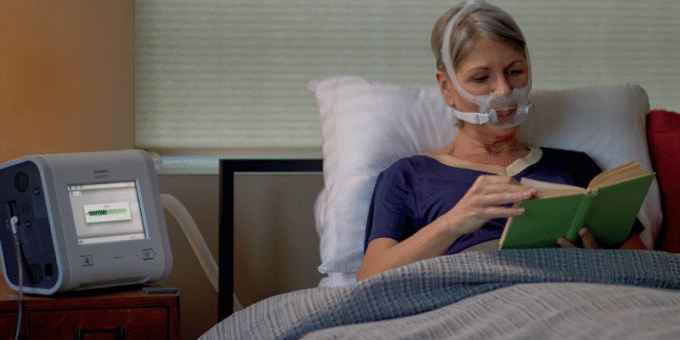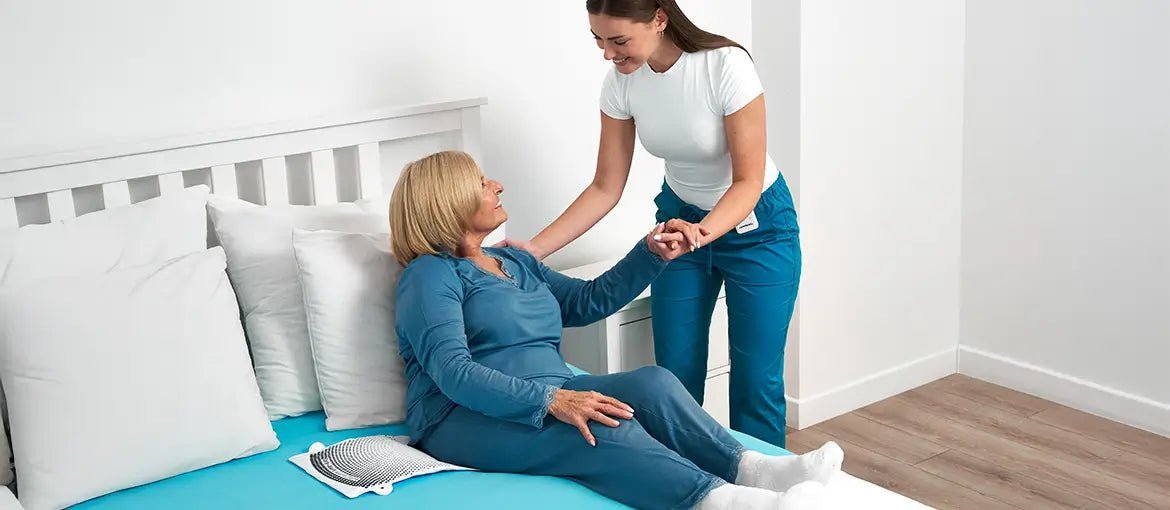
Safe positioning is an important part of Bedridden patient care Dubai, particularly for individuals who spend most of the day in bed and require assistance with movement. Remaining in one position for too long can increase pressure on vulnerable areas, contribute to stiffness, discomfort, breathing difficulties, and pressure injuries. Caregivers can reduce these risks by learning appropriate positioning techniques and following an individualized care plan. A Doctor at Home can assess the patient’s mobility, medical condition, and pressure-injury risk and provide guidance on suitable positioning when professional support is needed. Safe positioning should always prioritize the patient’s comfort, stability, skin protection, and overall medical needs.
Understand Why Proper Positioning Matters:
A bedridden patient’s body needs regular changes in position to reduce prolonged pressure and support comfort. Constant pressure over areas where bones are close to the skin can interfere with blood flow and increase the risk of pressure injuries. Limited movement may also contribute to joint stiffness, muscle weakness, swelling, and discomfort. Positioning can additionally influence breathing, digestion, and the patient’s ability to interact with their surroundings. However, there is no single positioning schedule or technique that is suitable for every patient. The ideal approach depends on factors such as mobility, pain, skin condition, body size, medical diagnosis, and any devices or tubes the patient may have. Caregivers should follow recommendations provided by the patient’s healthcare team.
Prepare the Bed and Positioning Equipment:
Before repositioning a patient, make sure the bed and surrounding area are safe. The mattress should provide appropriate support, while pressure-relieving equipment may be recommended for patients at increased risk of pressure injuries. Keep pillows, positioning wedges, slide sheets, or other approved aids nearby so that the patient does not have to remain in an uncomfortable position while equipment is located. Remove unnecessary objects from the bed and ensure that sheets are clean, dry, and free from wrinkles. Caregivers should also consider their own posture before moving the patient. Adjust the bed to a comfortable working height when possible, keep a stable stance, and ask another caregiver for assistance when the patient’s weight or condition makes repositioning difficult.
Reposition the Patient Safely:
Repositioning should be performed gently and with adequate support. Avoid pulling or dragging the patient’s body directly across the mattress because this can cause friction and shear on the skin. Use appropriate repositioning aids if available and follow instructions from a healthcare professional. Before moving the patient, explain what you are going to do and encourage them to participate if they are physically able. Move the body in a coordinated manner rather than twisting individual limbs. After repositioning, check that the patient is stable, comfortable, and free from unnecessary pressure. Regular position changes can be incorporated into the patient’s individualized care routine, but the frequency should be determined according to their condition and professional recommendations.
Use the Back- or Supine-Lying Position Correctly:
When a patient lies on their back, pressure can develop around the back of the head, shoulders, elbows, lower back, tailbone, and heels. Appropriate support can help distribute pressure and maintain alignment. Pillows may be used according to the patient’s care plan to support areas that require protection. The heels may need particular attention because they are vulnerable to pressure. Make sure the patient’s head, neck, shoulders, hips, and legs remain comfortably aligned. Avoid placing unnecessary objects underneath areas that are already vulnerable to pressure. Regularly inspect the skin and adjust the position if the patient reports discomfort or if there are concerning skin changes.
Use Side-Lying Positions Carefully:
Side-lying can help relieve pressure from the back and redistribute weight to different areas of the body. The patient should be positioned securely and comfortably, with appropriate support to maintain alignment. Pillows or approved positioning devices may be placed between the knees and other areas when recommended. Avoid placing excessive pressure directly on the hip or shoulder. The patient’s upper body should remain supported rather than allowed to roll forward or backward. After positioning, check for signs of discomfort, restricted breathing, or pressure on medical equipment. Side-lying techniques should be adapted for patients with specific medical conditions, injuries, or surgical restrictions.
Support the Legs, Knees, and Heels:
The legs require careful positioning because prolonged pressure can affect the heels, ankles, knees, and surrounding tissue. A pillow or appropriate positioning device may be used to separate the knees and prevent uncomfortable contact between bony areas. The heels are particularly vulnerable and may need to be elevated or otherwise offloaded according to the patient’s care plan. Do not place excessive pressure behind the knees unless specifically advised by a healthcare professional. Observe the feet regularly for swelling, discoloration, unusual temperature, or skin damage. If the patient has circulation problems or another condition affecting the legs, seek professional guidance before introducing new positioning techniques.
Elevate the Head of the Bed Appropriately:
Raising the head of the bed can improve comfort and may be necessary for eating, drinking, breathing, or certain medical conditions. However, prolonged elevation can allow the patient’s body to slide downward, creating shearing forces that may damage the skin. When the head of the bed is elevated, ensure the patient’s body is properly supported and positioned according to their care plan. Patients should never be placed in a position that makes breathing difficult or causes significant discomfort. For individuals with respiratory conditions, feeding tubes, recent surgery, or other complex medical needs, the appropriate angle and positioning should be confirmed with their healthcare team.
Protect Medical Tubes and Equipment:
Some bedridden patients have urinary catheters, feeding tubes, oxygen tubing, intravenous lines, drains, or other medical equipment. These devices can become displaced, kinked, compressed, or caught during repositioning. Before moving the patient, identify where each device is located and ensure there is enough slack for the planned movement. After repositioning, check that tubing remains secure and unobstructed. Never pull on a tube or use it as a means of stabilizing the patient. If a device becomes dislodged or damaged, contact the appropriate healthcare professional promptly. Caregivers who are unfamiliar with medical equipment should receive hands-on instruction rather than relying solely on general positioning advice.
Watch for Pressure and Skin Changes:
Skin inspection should be part of every positioning routine. Pay particular attention to areas where bones are close to the surface, including:
- The back of the head.
- Shoulders and shoulder blades.
- Elbows.
- Hips and outer thighs.
- Tailbone and buttocks.
- Knees and ankles.
- Heels and feet.
Look for persistent redness or discoloration, warmth, swelling, tenderness, unusual firmness, blisters, or broken skin. Changes in darker skin tones may be harder to identify through color alone, so caregivers should also pay attention to differences in temperature, texture, firmness, and sensitivity. If a concerning area does not improve after pressure is relieved or if the skin is broken, seek professional medical advice promptly.
Make Repositioning More Comfortable:
Repositioning should not be treated simply as a physical task. Talk to the patient throughout the process and ask whether they are experiencing pain, dizziness, shortness of breath, or discomfort. Use pillows and approved supports to maintain a comfortable posture after the movement is complete. Keep blankets arranged appropriately and ensure the patient has access to personal items when safe. A calm approach can reduce anxiety, particularly for patients who are dependent on caregivers for movement. If repositioning consistently causes pain, do not simply continue with the same technique; discuss the problem with a healthcare professional so the patient’s care plan can be reassessed.
Avoid Common Positioning Mistakes:
Caregivers may unintentionally increase the risk of injury when repositioning a bedridden patient. Avoiding common mistakes can make daily care safer and more effective. Important points include:
- Do not drag the patient across the mattress.
- Do not pull a patient by their arms or legs.
- Do not leave wrinkles or objects underneath the patient’s body.
- Do not ignore complaints of pain or breathing difficulty.
- Do not place excessive pressure on vulnerable bony areas.
- Do not reposition medical equipment without understanding its purpose.
- Do not use pillows or supports in ways that restrict breathing or circulation.
- Do not assume the same position is appropriate for every patient.
When a patient is heavy, weak, confused, or unable to assist with movement, two-person assistance or specialized equipment may be necessary.
Know When Professional Assistance Is Needed:
Some patients require more specialized positioning because of fractures, recent surgery, neurological conditions, severe weakness, respiratory problems, or existing pressure injuries. Caregivers should seek professional instruction when they are unsure how to move or position the patient safely. A Doctor at Home can evaluate the patient’s condition and help determine whether additional nursing, physiotherapy, pressure-relieving equipment, or other support is appropriate. Prompt professional assessment is particularly important if the patient develops persistent pain, new skin damage, swelling, breathing difficulties, or a sudden decline in mobility.
Final Thoughts
Safe positioning is a fundamental part of caring for a bedridden patient at home. Regularly changing positions, protecting vulnerable areas, using appropriate support devices, monitoring the skin, and handling medical equipment carefully can help improve comfort and reduce preventable complications. Every patient has different needs, so positioning techniques should be adapted to their medical condition, mobility, pain level, and healthcare recommendations. Caregivers should never hesitate to seek professional guidance when a patient’s condition makes repositioning difficult or unsafe. With preparation, patience, and consistent attention, safe positioning can become a practical part of everyday home care.
- 24-hour bedridden patient care Dubai
- Bedridden elderly care Dubai
- Bedridden patient
- Bedridden patient care at home Dubai
- Bedridden patient caregiver Dubai
- Bedridden patient home care Dubai
- Bedridden patient nursing care Dubai
- Home nursing for bedridden patients Dubai
- Professional bedridden patient care Dubai