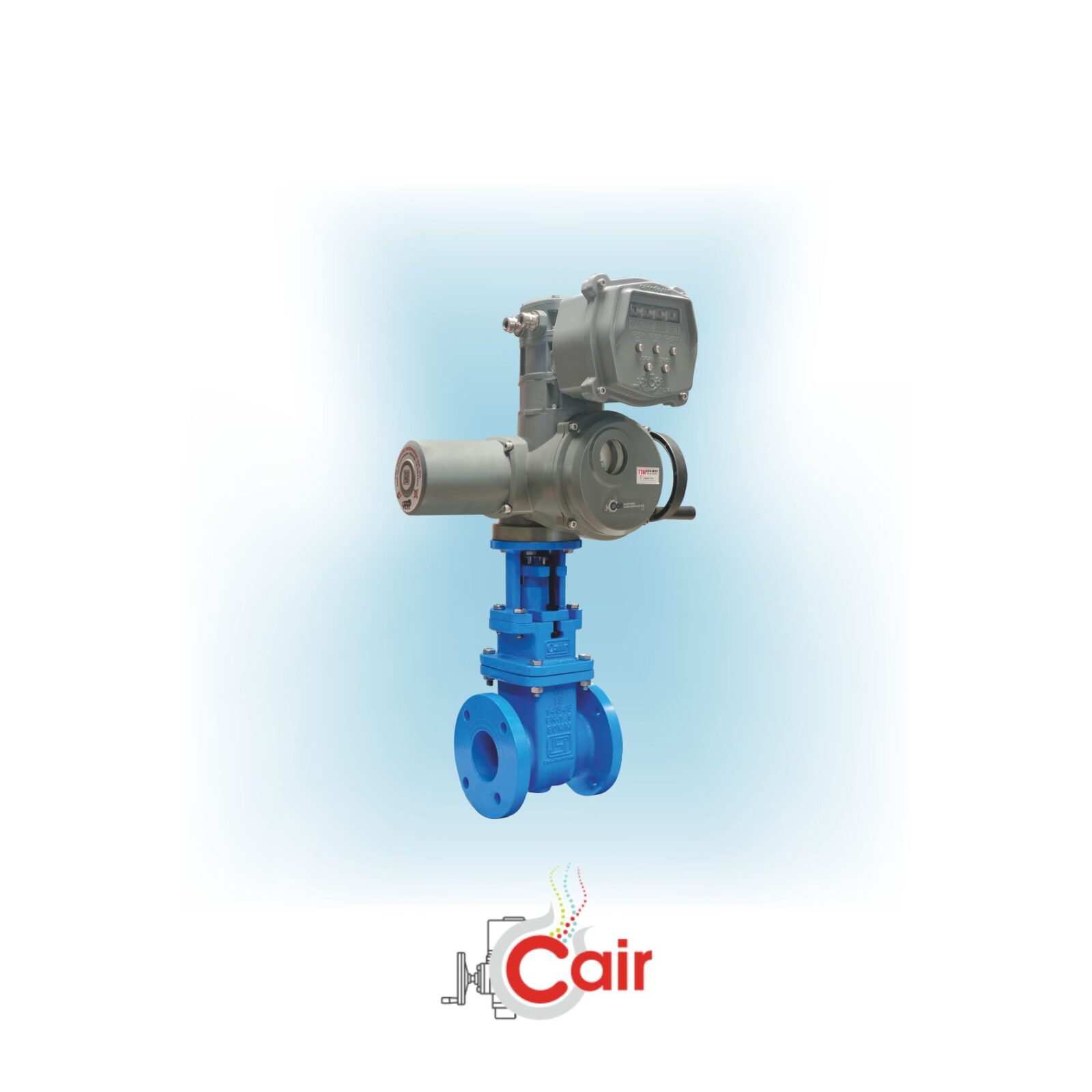
In today’s modern industries, controlling the flow of water and other fluids is very important. From water treatment plants to large industrial systems, having the right valve ensures smooth and efficient operations. This is where sluice valves for modern industries play a key role.
manual and motorized Sluice valves are designed to start or stop the flow completely, making them ideal for systems where full control is required. Their simple design, strong construction, and long service life make them a trusted choice across industries.
What is a Sluice Valve?
A sluice valve is a type of valve that uses a sliding gate to control the flow of fluid. It is mainly used for on/off operation, not for regulating flow.
- Gate Open: Fluid flows freely
- Gate Closed: Flow is completely stopped
This makes sluice valves perfect for applications where full isolation is needed.
Why Sluice Valves Are Important in Modern Industries
Modern industries demand efficiency, reliability, and automation. Sluice valves help achieve all of these by providing strong and dependable flow control.
Key Benefits:
- Reliable shut-off performance
- Suitable for large pipelines
- Low maintenance requirements
- Long-lasting durability
- Easy operation (manual or motorized)
Applications in Modern Industries
Sluice valves are widely used in different industries due to their versatility.
1. Water Supply Systems
Used to control water flow in municipal pipelines and distribution networks.
2. Wastewater Treatment Plants
Helps manage sewage and treated water efficiently.
3. Irrigation Systems
Controls water flow in canals and agricultural systems.
4. Dams and Reservoirs
Used for regulating and controlling large volumes of water.
5. Industrial Plants
Used in various industries where fluid control is required.
Types of Sluice Valves
Manual Sluice Valve
- Operated using a handwheel
- Simple and cost-effective
Motorized Sluice Valve
- Operated using an electric actuator
- Ideal for automation and remote control
Channel and Wall-Mounted Sluice Valves
- Used in open channels and tanks
- Common in water treatment plants
Key Features
- Strong and durable construction
- Smooth operation
- Leak-proof sealing
- Suitable for heavy-duty applications
- Available in different sizes (small to large)
- Customizable as per requirement
Material of Construction (MOC)
Sluice valves are manufactured using high-quality materials such as:
- IS Grade materials
- Mild Steel (MS)
- Stainless Steel (SS)
These materials ensure strength, durability, and resistance to wear.
Advantages of Sluice Valves
- Simple design and easy installation
- Reliable flow control
- Cost-effective solution
- Suitable for large-scale operations
- Long service life
Modern Trends in Sluice Valves
With the growth of industrial automation, sluice valves are becoming more advanced.
Modern Features Include:
- Motorized and automated operation
- Smart monitoring systems
- Corrosion-resistant coatings
- Custom-built designs for specific applications
These innovations make sluice valves more efficient and suitable for modern industrial needs.
Choosing the Right Sluice Valve
When selecting a sluice valve, consider:
- Type of application
- Size of pipeline
- Material requirements
- Pressure and temperature conditions
- Manual or automated operation
Choosing the right valve ensures better performance and longer lifespan.
Conclusion
Sluice valves for modern industries are essential for efficient and reliable flow control. Their strong design, easy operation, and long-lasting performance make them a preferred choice across industries.
As industries continue to grow and adopt automation, sluice valves remain a key component in ensuring smooth and effective operations.