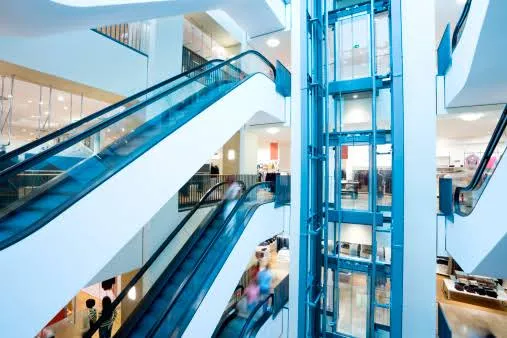
Urban development across the Gulf Cooperation Council (GCC) continues to reshape the region’s built environment. Expanding smart cities, modern residential communities, transportation hubs, and commercial complexes are increasing the need for advanced vertical transportation systems. As governments pursue long-term economic diversification and infrastructure modernization, elevators and escalators have become essential components of safe, efficient, and sustainable building design.
The GCC Elevator and Escalator Market reflects this transformation, supported by large-scale construction activity and investments in smart infrastructure. According to a recent industry analysis, the market was valued at around USD 2.28 billion in 2025 and is projected to grow from USD 2.32 billion in 2026 to approximately USD 3.87 billion by 2032, registering a CAGR of 8.90%. Additional insights into vertical transportation industry trends highlight how digital technologies and infrastructure expansion continue to shape regional demand.
Urban Expansion Continues to Drive Demand
Major development initiatives across Saudi Arabia, the UAE, Qatar, Oman, Kuwait, and Bahrain are creating sustained opportunities for elevator and escalator installations. Landmark projects including NEOM, Diriyah, Red Sea Global, and expanding airport and metro infrastructure require reliable mobility solutions capable of serving increasingly complex buildings. Rising urban populations and the shift toward high-rise construction are further supporting demand for modern passenger transportation systems.
Government-backed infrastructure investments are also encouraging developers to incorporate advanced safety features, accessibility standards, and energy-efficient technologies into new buildings. These evolving requirements are increasing the adoption of machine-room-less elevators, high-speed systems, and intelligent traffic management solutions designed to improve operational performance.
Smart Technologies Are Transforming Vertical Mobility
Digitalization has become one of the defining trends across the regional construction sector. Modern elevators increasingly integrate Internet of Things (IoT) connectivity, artificial intelligence, predictive maintenance, cloud-based monitoring, and destination dispatch systems. These technologies enable building managers to improve equipment reliability while reducing maintenance costs and minimizing downtime.
Touchless controls, real-time diagnostics, and intelligent energy management have also become attractive features for commercial offices, hotels, healthcare facilities, and residential developments. As smart building adoption accelerates across the GCC, elevator manufacturers are expanding their portfolios with connected mobility solutions that enhance both passenger experience and operational efficiency.
Residential Construction Remains a Key Growth Area
Residential developments continue to generate significant demand for elevator installations throughout the region. The residential segment accounted for approximately 38% of market demand in 2026, supported by rapid urbanization, population growth, and government housing initiatives. Apartment towers, mixed-use communities, and affordable housing projects increasingly require reliable vertical transportation systems that comply with evolving safety and accessibility standards.
Saudi Arabia’s Housing Program and similar initiatives across the UAE and Oman are contributing to sustained construction activity. As residential buildings become taller and more technologically advanced, developers are prioritizing energy-efficient elevators equipped with smart monitoring capabilities that improve long-term operating performance.
Saudi Arabia Leads Regional Market Development
Saudi Arabia remains the largest contributor to regional demand, accounting for approximately 43% of the GCC market in 2026. The country’s extensive investment in tourism, transportation, commercial districts, and smart city developments continues to create opportunities for manufacturers, installers, and maintenance providers.
Projects such as the Riyadh Metro, NEOM, THE LINE, Masar in Makkah, and Red Sea Global require thousands of elevators, escalators, and moving walkways to support growing passenger volumes. Tourism ambitions under Vision 2030, including the goal of attracting 150 million visits annually by 2030, are expected to further strengthen demand across hospitality and public infrastructure projects.
Competitive Landscape Focuses on Innovation
The regional market remains moderately consolidated, with major global manufacturers including Otis Worldwide Corporation, KONE Corporation, Schindler Holding Ltd., TK Elevator GmbH, Mitsubishi Electric Corporation, Hitachi Ltd., Fujitec Co. Ltd., Hyundai Elevator Co. Ltd., Orona S. Coop., Toshiba Elevator and Building Systems Corporation, Sigma Elevator Company, and Gulf Elevator and Escalator Company Ltd. competing through technological innovation, maintenance capabilities, and localized service networks.
Strategic partnerships, manufacturing localization, and investments in digital service platforms are becoming increasingly important competitive differentiators. Companies are also expanding modernization services as aging building infrastructure creates demand for upgrading existing elevator systems with more energy-efficient and intelligent technologies.
Outlook
The GCC’s commitment to infrastructure modernization, smart urban planning, and sustainable construction continues to support long-term opportunities for the elevator and escalator industry. Rising investments in residential communities, transportation networks, commercial developments, and tourism infrastructure are expected to sustain demand throughout the forecast period.
As digital technologies become standard features within modern buildings, intelligent vertical transportation solutions are likely to play an increasingly important role in enhancing safety, accessibility, and operational efficiency across the region. Continued collaboration between governments, developers, and technology providers is expected to shape the next phase of growth for the GCC’s evolving built environment.