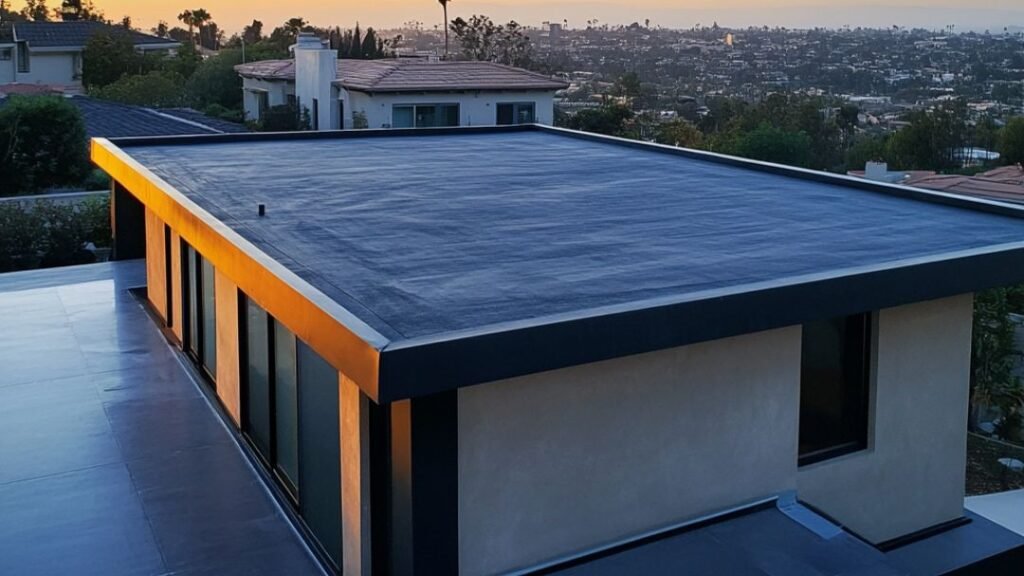
Flat roofs are commonly used on commercial buildings, apartment complexes, garages, and modern residential properties. Unlike sloped roofs, they have a nearly level surface with a slight slope that allows rainwater to drain toward designated outlets. Their simple design can provide useful outdoor space for equipment, ventilation systems, and other building features. However, proper planning and installation are important because water can collect when drainage is not working correctly. A well-designed Flat Roofing system includes suitable waterproofing layers, protective materials, and drainage components. Understanding how these parts work together helps property owners make informed decisions about installation, maintenance, and long-term roof performance.
Common Materials Used for Flat Roofs
Different materials are available for flat roof construction, and each has specific features and installation requirements. Modified bitumen is a layered roofing material designed to provide water resistance and flexibility. EPDM is a synthetic rubber membrane commonly used on commercial and residential buildings. TPO and PVC are single-ply membranes that provide a protective surface and can be installed using different fastening or bonding methods. Built-up roofing uses multiple layers of bitumen and reinforcing materials to create a protective system. The right Flat Roofing material depends on the building’s design, local weather, budget, expected roof use, and maintenance requirements. Comparing these factors helps determine which system is suitable for a particular property.
Benefits of Flat Roof Construction
One advantage of flat roofs is that their design can make certain installation and maintenance tasks more accessible. Building owners may also use suitable roof areas for HVAC equipment, solar panels, or other systems when the structure is designed to support them. Compared with some sloped roof designs, flat roofs can require fewer materials and may offer a straightforward layout for commercial construction. They can also provide a modern appearance for residential properties. However, these benefits depend on proper structural planning and drainage. A suitable Flat Roofing in Bronx should be selected according to the building’s intended use rather than appearance alone.
The Importance of Proper Drainage
Drainage is one of the most important parts of a flat roof because the surface does not naturally shed water as quickly as a steep roof. A slight slope directs rainwater toward drains, gutters, or other drainage points. If these areas become blocked with leaves, dirt, or debris, water may collect on the roof. Standing water can place additional stress on roofing materials and increase the risk of leaks over time. During Flat Roofing installation, contractors should consider the roof’s slope, drain locations, and water flow patterns. Regularly cleaning drainage outlets also helps prevent blockages and keeps the system working as intended.
Common Problems With Flat Roofs
Flat roofs can develop several issues as materials age and weather conditions change. Cracks, punctures, loose membrane edges, damaged seams, and worn flashing may allow moisture to enter the building. Poor drainage can also lead to standing water, while temperature changes may cause some materials to expand and contract. Inside the property, ceiling stains, damp insulation, peeling paint, or musty odors can indicate a possible leak. Regular Flat Roofing inspections can help identify these concerns before they spread into other parts of the structure. Early attention may reduce the amount of repair work required and help protect the building’s interior.
Installation Requires Careful Planning
A successful flat roof installation begins with an assessment of the building structure and its requirements. Contractors need to examine the roof deck, existing materials, drainage layout, insulation needs, and locations of vents or other penetrations. The selected membrane or roofing material must be installed according to its manufacturer’s specifications. Seams, joints, edges, and flashing require particular attention because these areas can become entry points for water. Proper Flat Roofing installation also considers ventilation and insulation where appropriate. Careful preparation and workmanship help create a roof system that can withstand regular weather exposure and perform effectively over time.
Repair and Maintenance Considerations
Routine maintenance can help extend the useful life of a flat roof. Property owners should arrange periodic inspections to check for cracks, punctures, loose seams, damaged flashing, and blocked drains. After heavy rain or severe weather, it is useful to look for signs of water collection or visible damage from a safe location. Small problems should be assessed promptly because moisture can move beneath roofing membranes and affect the underlying structure. When Flat Roofing repairs are needed, the repair method should match the existing material and the cause of the damage. Applying an unsuitable patch may provide only temporary protection and could make future repairs more difficult.
Energy Efficiency and Roof Insulation
Insulation can play an important role in the performance of a flat roof. A suitable insulation layer helps reduce unwanted heat transfer between the building and the outside environment. This may support more consistent indoor temperatures and reduce the workload on heating or cooling equipment. Reflective roofing membranes or coatings may also help reduce the amount of solar heat absorbed by the roof, depending on the material and local conditions. When planning a Flat Roofing project, property owners should consider insulation requirements, building use, and local construction standards. The right combination of materials can support comfort while protecting the roof structure from moisture and temperature-related stress.
Choosing a Suitable Roofing Contractor
Selecting a contractor is an important step because flat roof systems require careful installation around seams, drains, edges, and roof penetrations. Property owners should ask about the contractor’s experience with the specific roofing material, installation process, project timeline, and maintenance recommendations. Written estimates should explain the materials, preparation work, insulation, drainage improvements, and any additional repairs included in the project. It is also useful to understand the manufacturer’s warranty and the contractor’s workmanship coverage. A knowledgeable Flat Roofing contractor should explain the available options clearly and recommend a system based on the property’s structure, intended use, and budget.
Maintaining Long-Term Roof Performance
A flat roof can provide many years of protection when it is designed, installed, and maintained correctly. Regular inspections, clear drainage outlets, suitable materials, and timely repairs all contribute to its performance. Property owners should not ignore small cracks, damaged seams, or signs of water entering the building because these problems may become more serious over time. Planning maintenance as part of property care can help reduce unexpected repair costs and protect the building’s interior. Proper Flat Roofing practices support a durable roofing system that can handle changing weather conditions while meeting the practical needs of residential and commercial properties.