Severe weather can cause unexpected damage to your home’s roof, siding, windows, and other exterior components. Strong winds, hail, heavy rainfall, and falling branches can weaken building materials and create openings that allow water to enter your property. Taking the right steps after a storm is essential for protecting your home and preventing additional problems. Professional storm damage restoration helps homeowners assess visible damage, address urgent concerns, and plan the necessary repairs. Understanding the restoration process can make it easier to respond effectively and return your property to a safe, functional condition.
Understanding Common Types of Storm Damage
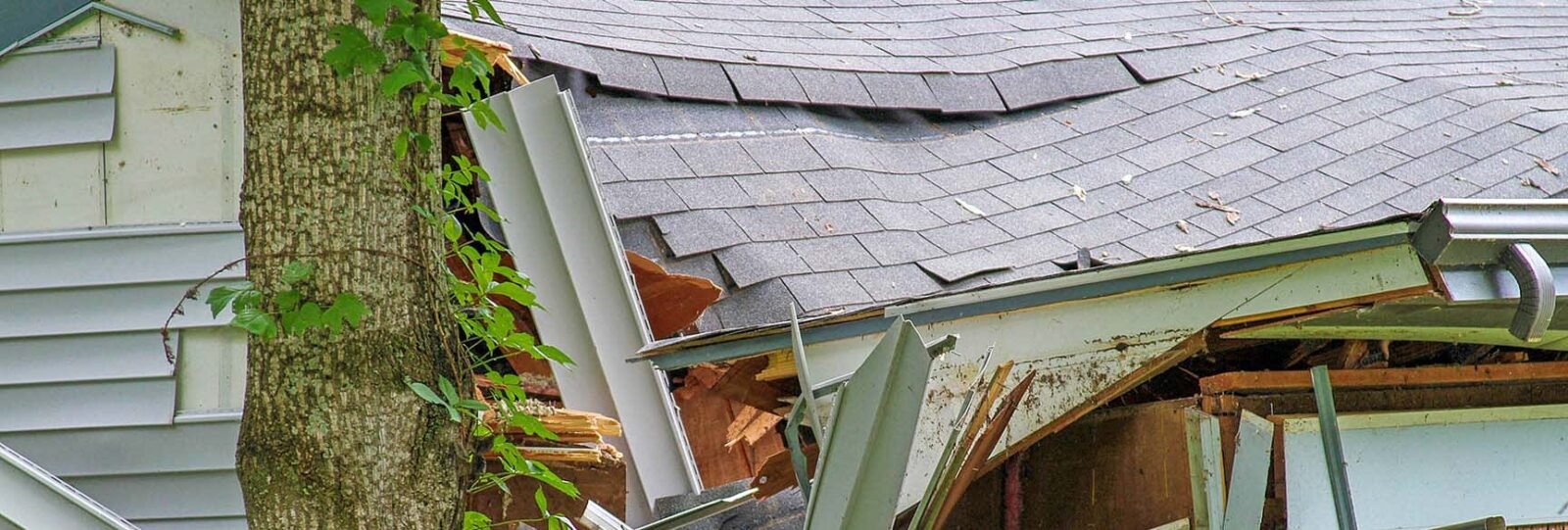
Storms can affect different parts of a home depending on the intensity of the weather and the condition of the existing structure. High winds may loosen or remove roof shingles, while hail can leave impact marks on roofing materials, siding, and other exposed surfaces. Heavy rainfall may cause leaks, moisture intrusion, or drainage problems, especially when gutters and downspouts are blocked or damaged. Falling trees and branches can also damage roofs, windows, and exterior walls. Identifying the affected areas is an important first step in determining which repairs are necessary.
Prioritize Safety After a Severe Storm
Safety should always come first after severe weather. Before inspecting your property, check for immediate hazards such as fallen power lines, unstable trees, damaged electrical equipment, and structural instability. Stay away from downed wires and contact the appropriate emergency or utility service when necessary. Avoid climbing onto the roof or entering areas that may be unsafe. If your home has significant structural damage or appears unstable, leave the affected area and seek professional assistance. A qualified restoration specialist can assess the property when conditions are safe enough for an inspection.
Inspect Your Roof for Storm Damage
The roof often receives significant exposure during severe weather, making it an important area to inspect after a storm. Missing shingles, damaged flashing, loose roofing materials, fallen branches, and visible punctures may indicate that repairs are needed. Some damage, including hail impacts and loosened roofing components, may not be obvious from the ground. Homeowners should avoid walking on damaged roofs because unstable surfaces can cause serious injuries. Professional storm damage restoration services can help identify affected areas, document the condition of the roof, and recommend appropriate repairs or replacement when necessary.
Check Siding, Windows, and Exterior Components
Storm damage can extend beyond the roof and affect siding, windows, doors, gutters, soffits, and exterior trim. Cracked siding panels may expose the underlying wall assembly to moisture, while broken window glass can create security and weather-protection concerns. Damaged gutters may also prevent rainwater from draining away properly. Carefully observe the exterior from a safe location and document any visible problems. A qualified contractor can inspect damaged components, determine whether water has entered behind the exterior materials, and recommend suitable repairs to restore the home’s protective envelope.
Prevent Additional Water Damage
After a storm, even a small opening in the roof or exterior walls can allow rainwater to enter the property. Water intrusion may damage insulation, ceilings, flooring, furniture, and other belongings. When it is safe to do so, move valuables away from affected areas and place containers beneath minor drips if there is no electrical or structural hazard. Temporary coverings or professional emergency services may help limit further exposure until permanent repairs can be completed. Avoid touching wet electrical equipment or entering areas with suspected structural damage. Addressing moisture promptly can help reduce the risk of further deterioration and mold growth.
Document Damage for Insurance Purposes
Keeping accurate records can help homeowners organize the restoration process and communicate with their insurance provider. Photograph or record visible damage from safe locations before repairs begin, provided doing so does not delay urgent safety measures. Make a list of affected areas, damaged belongings, and any temporary protective work performed. Keep copies of contractor estimates, invoices, and relevant communications. Insurance coverage varies according to the policy, the cause of the damage, exclusions, and applicable deductibles. Contact your insurer promptly to understand the claim process and determine what documentation is required.
Why Professional Storm Damage Restoration Matters
Professional storm damage restoration involves more than repairing visible exterior damage. Experienced restoration professionals can assess affected areas, identify potential moisture intrusion, and determine which components require immediate attention. Depending on the damage, the work may include roof repairs, siding replacement, window repairs, debris removal, water extraction, drying, or interior restoration. Coordinating the necessary services can help homeowners address related problems rather than treating each symptom separately. Before hiring a provider, verify appropriate insurance coverage, applicable qualifications, references, and a clear written estimate describing the proposed work.
Understanding Emergency Repairs and Temporary Protection
Some storm-related problems require immediate attention to prevent additional damage. A leaking roof, broken window, or exposed section of exterior wall may need temporary protection while permanent repairs are arranged. These measures can include professionally installed tarps, temporary weatherproofing, or secure coverings for damaged openings. Temporary repairs should be performed by qualified personnel when working at height or around structural hazards. Homeowners should also ask how long temporary protection is expected to remain effective and when permanent work can begin. Clear communication helps ensure that short-term measures are followed by appropriate repairs.
Choosing the Right Storm Damage Restoration Contractor
Selecting a reliable contractor is an important part of restoring your home after severe weather. Look for professionals with relevant restoration experience, appropriate insurance, and a clear process for inspecting and repairing damaged properties. Ask for a written estimate that identifies the work, materials, costs, project timeline, and payment terms. Be cautious of contractors who pressure you to sign immediately, promise guaranteed insurance approval, or offer vague agreements. Review warranty details and confirm who will coordinate any subcontracted work. Taking time to evaluate your options can help you avoid misunderstandings and make more confident restoration decisions.
How Preventive Maintenance Can Reduce Future Storm Damage
Although severe weather cannot always be prevented from damaging a home, regular maintenance can help reduce some risks. Inspect roofing materials periodically, maintain gutters and downspouts, trim hazardous tree branches, and address loose siding or deteriorated flashing before storm season. Check that windows and exterior doors close properly and that rainwater drains away from the foundation. Consider scheduling a professional inspection if your roof is aging or has a history of weather-related damage. Preventive maintenance cannot guarantee storm protection, but it can help identify weaknesses and improve the overall condition of your home’s exterior.
Conclusion
Severe weather can damage roofing materials, siding, windows, and other essential parts of your home. Responding safely, documenting visible damage, preventing further water intrusion, and arranging a professional assessment are important steps toward recovery. Reliable storm damage restoration services can help identify underlying problems, coordinate necessary repairs, and restore your property’s protective features. By working with qualified professionals and maintaining your home’s exterior regularly, you can manage storm-related issues more effectively and help protect your property against future weather challenges.