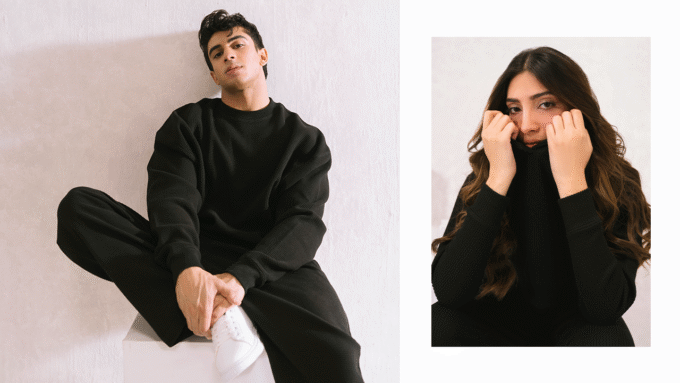
Open Instagram and someone’s feed has already made the argument better than any trend report could. A kurta dress, properly embroidered, worn over straight-cut denim with white sneakers. A shalwar paired with a fitted tank and a blazer thrown on top like an afterthought that somehow works. A sharara set worn without its dupatta because, honestly, the embroidery on the shirt was already doing enough.
Fusion dressing has taken over Pakistani social media. Influencers aren’t keeping eastern and western pieces in separate wardrobes anymore. They’re mixing them on purpose, and the results are landing better than the old rules ever did.
Here is how it is being done and how brands like Generation are adopting it.
The Tiny Kurta Made a Comeback Nobody Planned
The tiny kurta is all over Pinterest right now. Short, cropped, sometimes barely past the waist, styled over palazzo trousers or wide-leg denim. It traces straight back to early-2000s Bollywood, which makes it a comeback rather than anything new, but the way it’s being worn in 2026 is a different thing entirely. Better fabric, more considered embroidery, and proportions that someone actually thought about.
Generation’s shorter and medium-length kurta cuts in cotton voile and lawn land right here. A cropped embroidered kurta over a straight trouser is one outfit. The same kurta over a balloon shalwar, with different shoes and different jewellery, is another. One piece, two occasions, no tailor required. That’s really the whole pitch.
Embroidery Got Quieter and More Confident
Pakistani fashion trends for 2026 have moved on from heavy embroidery, thick zari work, and loud embellishments. What’s replacing them is cleaner cuts and embroidery that shows up in specific places instead of across every inch of fabric.
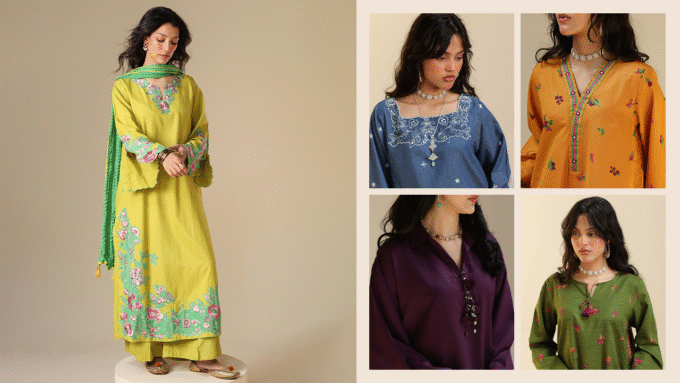
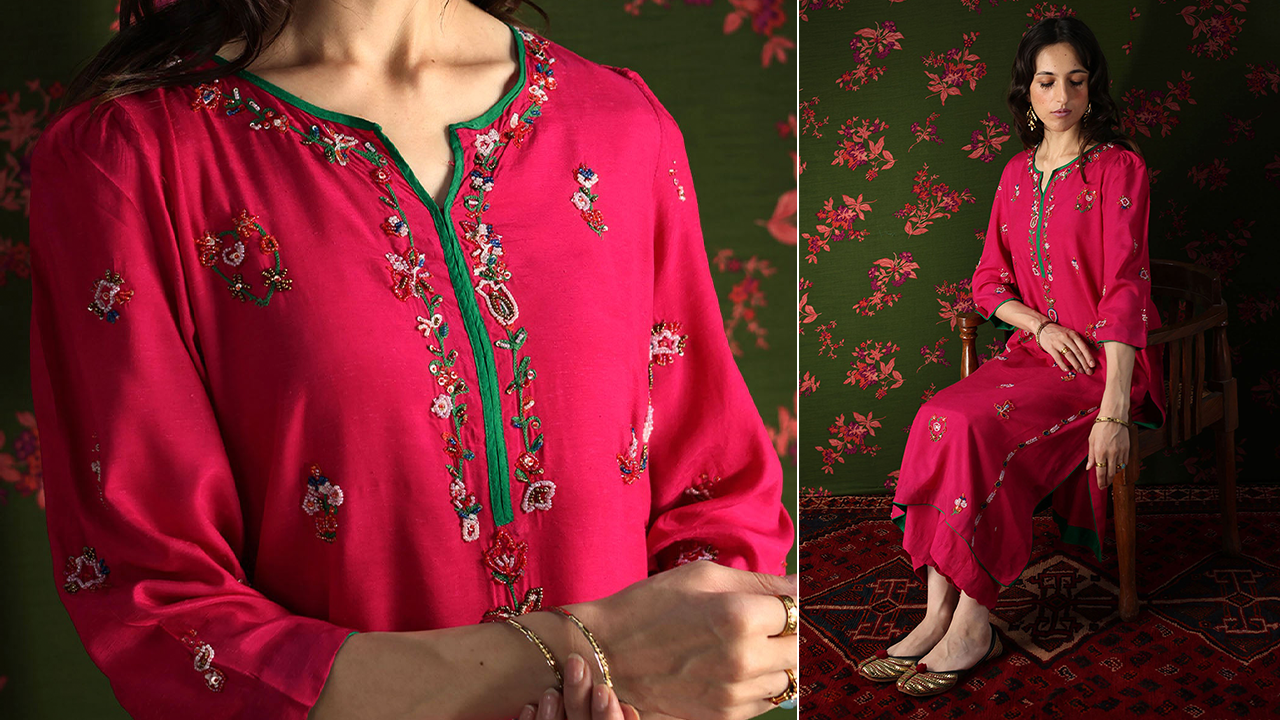
This is visible in how Generation’s Heartilicious and Chamak Dhamak lines are put together. An embroidered 3 Piece where the thread work sits at the neckline and cuffs, with plain fabric in between, reads more expensive than one where the entire shirt is covered. Restraint takes more skill than coverage, and women shopping in 2026 seem to know that. The gota patti that earns your eye rather than demanding it, the zardozi border that stops before it becomes too much.
What’s also worth saying: handmade craft is back in the conversation seriously. Pakistani craft has been sitting on a global stage for a while now. Generation’s handcrafted range with Schiffli rosettes and hand-block printed pieces is part of the same argument: that craft is the point, not just the decoration.
Co-Ords Are Doing Two Jobs Now
Pinterest searches for co-ord sets have been climbing, and in Pakistan the category means something slightly different than it does elsewhere. A co ord set for women here is built to separate. The shirt works with the matching shalwar on Saturday. The same shirt goes over wide-leg denim on Monday. The shalwar pairs with a plainer kurta from the season before.
Generation’s 2 piece suit design across printed, embroidered and solid categories works exactly like this. A block-printed cotton voile shirt with its matching shalwar is one outfit. Pull the shirt out and wear it differently, and it’s another. Ready to wear dresses that actually earn their space in a wardrobe rather than sitting in a bag waiting for the one right occasion.
Colour Is Doing Two Different Things at Once
Pakistani influencers on Instagram this summer went hard on Y2K palettes. Coral, candy pink, lemon yellow, electric blue, the kind of colours that photograph well and feel like a decision.
At the same time, quieter shades are holding their ground. Lavender, warm sand, almond beige, olive, dusty teal. These are the colours that sit alongside other colours without fighting, look different in morning light than at night, and don’t feel dated six months later.
Generation’s two piece and three piece ladies dresses current range covers both without choosing. The loud end has naranji, rani pink, aatishi gulabi, spectra yellow. The quiet end has steel grey, warm taupe, ivory, rose gold. Neither is more dilkash than the other. That’s the whole point of keeping both.
The Silhouette Pinterest Keeps Saving
Wide-leg trousers and palazzo cuts keep turning up in Pakistani fashion boards, usually paired with a cropped embroidered top or a structured koti. The proportion reads relaxed and considered at the same time, which is what makes it work across different settings.
Generation’s balloon shalwar and farshi cuts arrive at the same proportion from a different direction. The farshi shalwar kameez sets in Chamak Dhamak and Shades Of Gold do this at full wedding scale, sweeping the floor, asking you to slow your walk. The balloon shalwar in an everyday set does it at a Sunday lunch. Same visual instinct, completely different intensity.
What Generation Actually Does With All of This
The Tribune said something worth repeating: the most stylish women aren’t following every trend. They know what suits them. Generation’s formals, two-piece and three-piece ranges are built for that kind of woman, not one silhouette, not one occasion, not one version of what dressing up is supposed to look like.
Sizes 8 to 16, ready to wear, no tailoring needed. Full collection live on their website. Grab yours now.