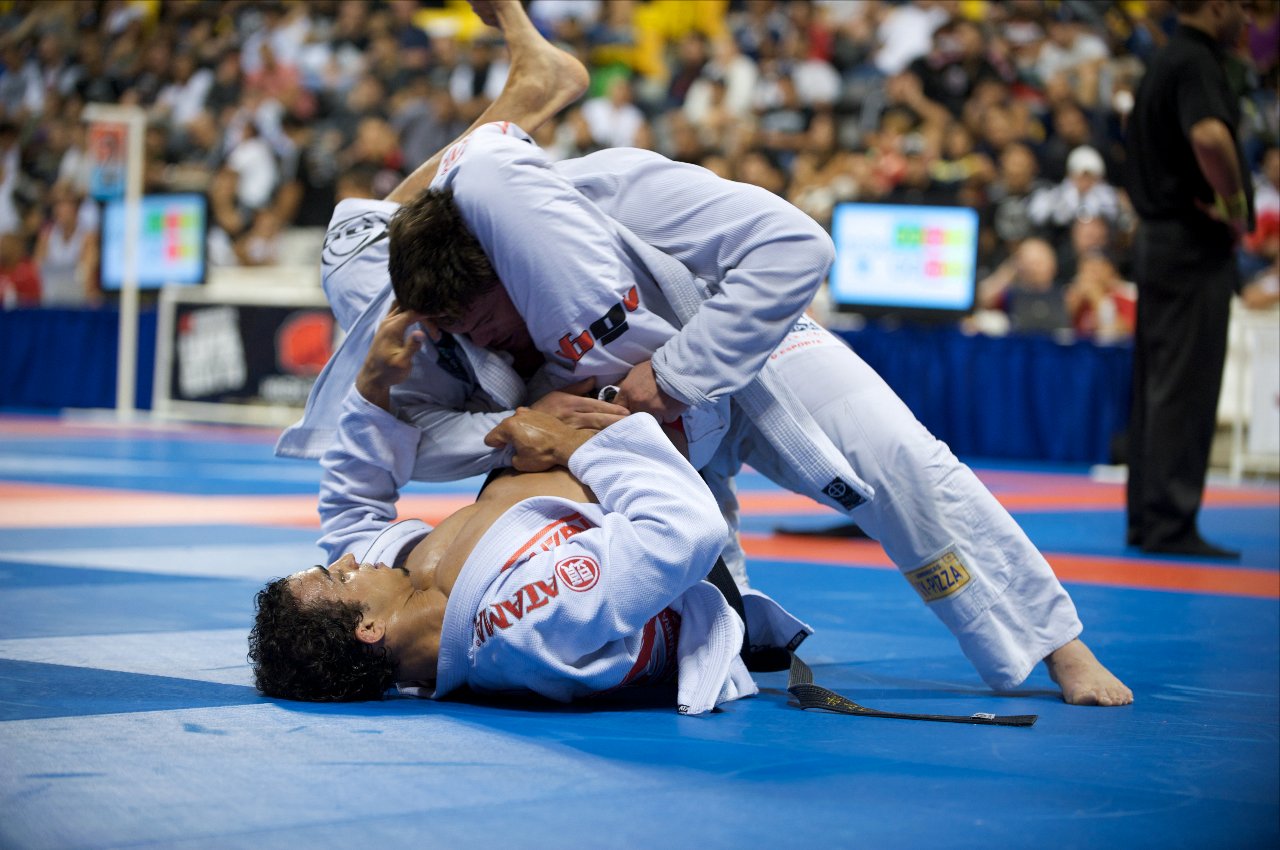
The world of modern combat sports has undergone a breathtaking evolution over the past few decades. Athletes from all corners of the globe have continually raised the bar for athletic performance, tactical depth, and interdisciplinary mastery. Among all the foundational styles that have shaped modern competition, Brazilian Jiu-Jitsu stands out as a pivotal cornerstone of modern cage combat. By teaching practitioners how to utilize leverage, joint manipulation, and body positioning, ground fighting has forever altered how athletes approach positional strategy, defensive resilience, and fight management.
+-------------------------------------------------------------------------+
|                  CORE PHASES OF MODERN COMBAT TRAINING                  |
+-------------------------------------------------------------------------+
|  Striking & Distance   | Boxing, Muay Thai, Taekwondo, Kickboxing       |
|  Takedown Transitions  | Freestyle Wrestling, Judo, Sanda, Ssireum       |
|  Ground Mechanics      | Submission Grappling, Positional Control, BJJ   |
+-------------------------------------------------------------------------+
The Rise of Comprehensive Training Methodologies
In the early days of multi-discipline combat sports, competitors often relied almost exclusively on their primary background. High-level strikers sought to keep fights on their feet, while decorated grapplers rushed to bring the action to the canvas. Modern competition, however, requires a completely seamless fusion of disciplines.
Transitioning Between Standing and Ground Games
Today’s top-tier athletes recognize that mastery in one area is insufficient. A striker must possess reliable takedown defense to keep the bout in their preferred range, while a grappler must develop effective striking combinations to set up clean entries for shots and throws.
The Role of High-Performance Academies
Renowned gyms across North America, Europe, and Asia have evolved into dynamic centers of athletic excellence. By housing head coaches, wrestling specialists, submission experts, and strength and conditioning programmers under one roof, these academies ensure that athletes are equipped to handle any tactical challenge.
Essential Pillars of Ground Positional Dominance
Navigating the canvas requires a keen understanding of positional hierarchy, energy management, and spatial awareness. Practitioners spend years refining these fundamentals to ensure complete control during intense exchanges.
-
Guard Retention and Sweeps: Maintaining a active guard allows fighters on their back to defend incoming strikes while creating opportunities to reverse positions.
-
Side Control and Mount Management: Dominant top positions enable fighters to apply heavy pressure, drain their opponent’s stamina, and set up high-percentage submissions.
-
Back Take and Choke Control: Securing back control represents one of the most advantageous positions in combat sports, offering clean paths to fight-ending chokeholds while minimizing exposure to counter-attacks.
The Technical Growth of Asian Mixed Martial Arts
The Asian combat sports scene has enjoyed massive expansion, producing an incredible array of world-class talent across major global organizations. Prominent promotions such as ONE Championship, Rizin Fighting Federation, and Road FC have provided vital platforms for regional stars to demonstrate their abilities before worldwide audiences.
| Attribute | Impact on Regional Combat |
| Traditional Striking Lineage | Provides elite footwork, speed, and distance management |
| Grappling Adaptation | Enhances defense against explosive takedowns and submission attempts |
| High-Volume Conditioning | Allows fighters to maintain relentless pace across multi-round bouts |
By combining traditional regional styles like Taekwondo, Judo, and Muay Thai with comprehensive ground defense, athletes from Asia consistently deliver captivating, action-packed performances.
Fan-Favorite Athletes and Inspiring Fight Styles
Combat sports thrive on memorable personalities and exciting fighting styles that capture the imagination of fans globally. Athletes who blend blistering knockout power with undeniable heart and technical resilience consistently draw enthusiastic support whenever they step inside the cage.
A prime example of this dynamic appeal is fan-favorite featherweight Doo Ho Choi. Known affectionately to fans around the world as “The Korean Superboy,” his thrilling performances, precision striking, and willingness to engage in legendary back-and-forth battles have earned him widespread admiration and a permanent spot in combat sports lore. The enduring dedication shown by such athletes serves as a powerful inspiration for aspiring martial artists across the globe.
Conclusion
The transformation of martial arts into a global, highly technical sport remains one of the most compelling narratives in modern athletics. Guided by world-class training facilities, dedicated coaches, and passionate fanbases, the sport continues to flourish. Whether you are a dedicated competitor striving for championship gold or a casual fan enjoying the action, following the evolution of combat sports offers a rewarding journey into human potential, discipline, and sportsmanship.
Frequently Asked Questions (FAQs)
Why is ground control so essential in mixed martial arts?
Ground control allows a practitioner to dictate the location and pace of a fight, neutralize an opponent’s striking power, conserve physical energy, and methodically work toward finishing opportunities.
Can beginners train in martial arts strictly for health and fitness?
Yes, the vast majority of practitioners train purely for cardiovascular endurance, stress relief, functional flexibility, and self-defense without ever participating in full-contact competition.
How do strikers develop effective ground defense?
Strikers build ground defense by practicing frame management, hip movement, guard recovery, and takedown defense drills alongside experienced grappling partners and dedicated coaches.
What makes Asian promotions unique in global combat sports?
Promotions across the region celebrate deep martial arts traditions, emphasize sportsmanship and respect, and regularly feature multi-discipline bouts including striking, mixed rules, and submission grappling.