Can Pink Salt Really Help With Weight Loss?
The idea of using a Pink Salt Recipe For Weight Loss has become popular online, especially among people looking for simple drinks or kitchen remedies that promise faster results. Pink Himalayan salt is often promoted as a natural ingredient that may improve hydration, digestion, metabolism, or fat burning. However, it is important to separate online trends from established nutrition evidence. Pink salt is still salt, meaning its primary nutritional component is sodium chloride. It does not contain a special compound that directly melts body fat or creates meaningful weight loss. A person may enjoy a simple salt-based drink as part of an overall routine, but the drink itself should not be viewed as a weight loss treatment. The World Health Organization recommends that adults consume less than 2,000 milligrams of sodium per day, equivalent to less than 5 grams of salt, because excessive sodium intake can increase blood pressure and cardiovascular risk. For sustainable weight management, the focus is better placed on overall dietary quality, appropriate calorie intake, physical activity, sleep, stress management, and individualized medical guidance when needed.
What Is a Pink Salt Weight Loss Drink?
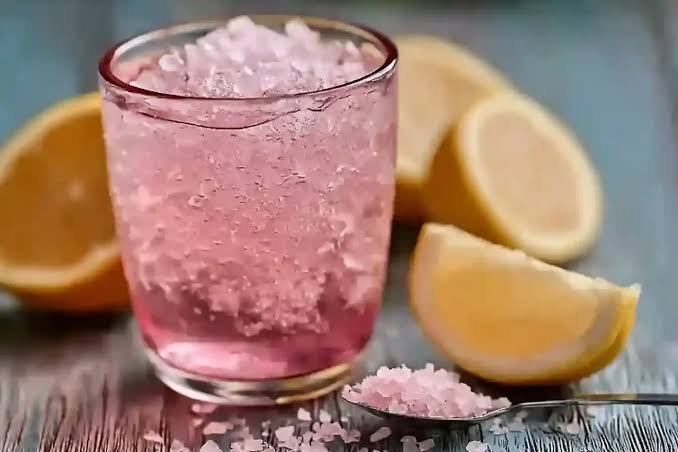
A commonly discussed salt drink usually combines a small amount of pink Himalayan salt with water, sometimes along with lemon juice or another flavoring ingredient. This simple combination is sometimes presented online as a metabolism booster or cleansing drink. There is currently no good evidence that drinking pink salt water directly increases fat burning or produces clinically meaningful weight loss. Water itself can support normal hydration, while lemon may add flavor and a small amount of vitamin C, but adding salt does not transform the drink into a fat-burning formula. In fact, regularly consuming unnecessary sodium can work against cardiovascular health, particularly for people who already consume substantial sodium through processed foods, restaurant meals, sauces, snacks, and packaged foods. WHO notes that much of the sodium consumed globally comes from processed and prepared foods rather than only from salt added at the table. Therefore, a homemade drink should be considered a beverage rather than a specialized weight loss solution.
How Should Pink Salt Be Used in a Healthy Diet?
Pink Himalayan salt can be used in cooking in the same general way as other forms of salt, primarily to improve flavor. Its pink color comes from trace minerals, but these minerals are present in relatively small amounts and do not make it a proven weight loss ingredient. People who enjoy pink salt can use it sparingly while paying attention to total sodium intake from the entire diet. A more useful approach is to build meals around vegetables, fruits, lean proteins, whole grains, legumes, healthy fats, and minimally processed foods. Reducing highly processed foods can naturally reduce sodium while also making it easier to manage calories. WHO recommends limiting salt intake because high sodium consumption is associated with raised blood pressure and increased cardiovascular risk. This means the goal should not be to consume more pink salt because it is perceived as healthier, but rather to use salt thoughtfully as part of a balanced eating pattern.
Does Pink Salt Increase Metabolism?
One of the most common claims surrounding salt drinks is that they can accelerate metabolism. There is not enough evidence to support the idea that pink salt significantly increases metabolic rate or causes the body to burn stored fat. Metabolism is influenced by many factors, including body composition, age, physical activity, genetics, sleep, medications, and hormonal changes. During midlife, hormonal changes can also affect body composition and where fat is stored. This is particularly relevant for women going through perimenopause and menopause. A drink containing salt cannot correct these underlying changes. Instead, people who experience unexplained changes in weight may benefit from discussing their symptoms, nutrition, activity level, medications, and overall health with a qualified healthcare professional. At Align Health and Menopause, conversations about weight and hormone health can be considered within the broader context of an individual’s health rather than relying on a single trending ingredient.
Why Does Weight Gain Become More Common Around Menopause?
Weight changes during the menopause transition can be influenced by several overlapping factors. Changes in estrogen levels are associated with changes in body composition and fat distribution, while aging may also contribute to reduced muscle mass and changes in energy expenditure. Sleep disruption, reduced activity, stress, changes in eating patterns, and other health conditions can add to the challenge. During Postmenopause, these concerns may continue and can make traditional dieting approaches feel less effective. Research reviewed by the North American Menopause Society indicates that menopause is associated with changes in body composition and central fat distribution, although hormone therapy itself is not considered a primary weight loss treatment. Understanding these factors can help people move away from quick-fix solutions and toward realistic strategies that address the reasons behind weight changes.
Can Hormonal Testing Help Explain Weight Changes?
Hormonal Testing For Women may be considered when a healthcare professional believes that symptoms or medical history suggest an underlying hormonal issue that requires evaluation. Weight gain alone does not automatically mean that a hormone imbalance is responsible, and hormone testing should be interpreted in the context of symptoms, age, menstrual or menopause status, medications, medical history, and other relevant findings. Depending on the situation, clinicians may consider different laboratory tests rather than ordering a single universal hormone panel for every person. This individualized approach can be especially relevant when weight changes occur alongside symptoms such as menstrual changes, hot flashes, sleep disruption, fatigue, or other concerns. Proper evaluation can help distinguish normal changes associated with aging and menopause from conditions that may require treatment. A pink salt drink cannot provide this type of medical assessment.
Is Hormone Replacement Therapy a Weight Loss Treatment?
Hormone Replacement Therapy Weight Loss is a phrase that can create confusion because hormone therapy and weight management are related but distinct areas of care. Hormone therapy may be appropriate for certain menopause symptoms, but it should not be presented as a stand-alone weight loss treatment. The American College of Obstetricians and Gynecologists explains that hormone therapy may influence where body fat is stored, but hormone therapy by itself does not cause weight loss. A 2026 clinical review similarly concluded that menopause hormone therapy should be prescribed for established clinical indications rather than as a primary treatment for obesity or weight loss. People considering Hormone Therapy For Menopause should therefore discuss the potential benefits, risks, alternatives, and individual goals with an appropriately qualified clinician.
What Is a Better Approach Than the Pink Salt Trend?
A sustainable weight management strategy generally involves several habits working together rather than one special beverage. Meals can emphasize protein and fiber to support fullness, while vegetables, whole foods, and appropriately portioned carbohydrates can provide essential nutrients and energy. Regular physical activity can help support cardiovascular health, muscle strength, mobility, and long-term weight management. Resistance exercise can be particularly valuable during midlife because maintaining muscle mass becomes increasingly important with age. Sleep and stress management also deserve attention because persistent sleep disruption and stress can make healthy eating and regular activity more difficult. Instead of asking whether one ingredient can produce rapid results, it is more useful to ask whether a dietary pattern can realistically be maintained for months and years. That shift can make weight management more practical and less dependent on social media trends.
What About the Rice Hack For Weight Loss?
The Rice Hack For Weight Loss is another example of how a simple food preparation idea can become widely discussed online. Rice itself can be part of a healthy diet, but no single preparation method should be assumed to cause substantial fat loss without considering the overall diet. Portion size, ingredients served with rice, total calorie intake, protein, fiber, activity level, and individual health factors all influence weight management. The same principle applies to salt-based drinks. A recipe can be nutritious, convenient, or enjoyable without being a scientifically proven weight loss treatment. People can include rice and other carbohydrates in balanced meals while paying attention to portions and pairing them with protein, vegetables, and other nutrient-rich foods.
When Might a Medical Weight Management Program Be Helpful?
A Medical Weight Management Program may be useful for people who have struggled to achieve or maintain weight loss through lifestyle changes alone, particularly when excess weight is associated with other health concerns. Medical weight management can involve assessment of nutrition, physical activity, sleep, medications, medical conditions, behavioral factors, and when appropriate, evidence-based treatments. The goal is not simply to produce a lower number on a scale but to support improvements in overall health and quality of life. A structured program may also help identify unrealistic expectations created by social media trends. Someone searching for a Weight Loss Clinic Chesterfield MO may benefit from asking whether the practice provides individualized assessment, medically appropriate treatment options, ongoing monitoring, and realistic long-term goals rather than promising rapid results from a single ingredient.
Can Hormone Therapy Support Women During Menopause?
Hormone Therapy For Menopause can be an appropriate treatment for some women experiencing bothersome menopausal symptoms, but it requires individualized consideration. The North American Menopause Society states that hormone therapy remains an effective treatment for vasomotor symptoms and genitourinary symptoms of menopause, with treatment decisions based on factors such as age, timing, health history, type of therapy, dose, route, and individual risks. Hormone therapy should therefore not be confused with a weight loss recipe. Some women may experience changes in body composition during menopause, and improving troublesome symptoms such as night sweats may indirectly make healthy lifestyle habits easier to maintain. However, treatment should be selected for appropriate clinical reasons rather than solely to lose weight.
What About Hormone Therapy For Men?
Hormone Therapy For Men is a separate area of medical care and should not be combined with online weight loss recipes or self-treatment. Men may experience symptoms associated with low testosterone or other health concerns, but treatment decisions require appropriate clinical evaluation. Hormone Therapy For Men may be considered in specific circumstances after a clinician evaluates symptoms, medical history, laboratory findings, and potential risks. It is not a substitute for nutrition, exercise, sleep, or evidence-based obesity treatment. Men who experience unexplained weight gain, fatigue, changes in muscle mass, or other persistent symptoms should seek professional assessment rather than assuming that salt drinks or hormone products are the answer.
Does Vaginal Health Have a Connection to Menopause Care?
Menopause care involves more than weight and metabolic health. Changes in estrogen levels can contribute to genitourinary symptoms, including vaginal dryness, discomfort, irritation, and changes in sexual health. Depending on the underlying concern, treatment options may include nonhormonal measures, local hormone therapies, or other clinically appropriate approaches. A Vaginal Rejuvenation Treatment may be discussed in some practices, but terminology can refer to different procedures, technologies, or treatments, so patients should understand exactly what is being recommended and what evidence supports it. The North American Menopause Society recognizes genitourinary symptoms as an important part of menopause care and notes that local vaginal therapies may be appropriate for certain patients. These concerns are separate from weight loss and should be evaluated according to individual symptoms and health needs.
Can Pink Salt Be Part of a Weight Loss-Friendly Routine?
There is no reason that a person who enjoys pink Himalayan salt must completely eliminate it from a balanced diet, provided overall sodium intake remains appropriate. The key issue is that salt should be treated as a seasoning rather than a weight loss supplement. People can flavor meals with herbs, spices, citrus, garlic, vinegar, and other ingredients while keeping added salt moderate. Drinking plain water is generally sufficient for everyday hydration for most people, and there is no established need for healthy adults to add pink salt to water for the purpose of losing weight. WHO recommends less than 2,000 milligrams of sodium per day for adults, which reinforces why adding unnecessary salt to beverages may not be a useful weight management strategy. Anyone with a medical condition requiring sodium restriction should follow individualized advice from their healthcare professional.
What Should People Remember About Pink Salt and Weight Loss?
The main lesson is that a Pink Salt Recipe For Weight Loss should not be treated as a shortcut to fat loss. Pink salt is primarily a source of sodium, and there is no strong evidence that it independently increases metabolism or causes meaningful weight reduction. Healthy weight management is more effectively supported by balanced nutrition, regular movement, adequate sleep, behavioral consistency, and medical care when appropriate. For people navigating menopause, it can also be helpful to consider the effects of hormonal changes, symptoms, medications, and changes in body composition. Align Health and Menopause can serve as a source of educational information for people seeking a broader understanding of menopause and hormone-related health. Rather than following every viral wellness trend, individuals can focus on strategies that are safe, evidence-informed, practical, and appropriate for their personal health needs.