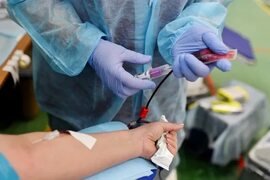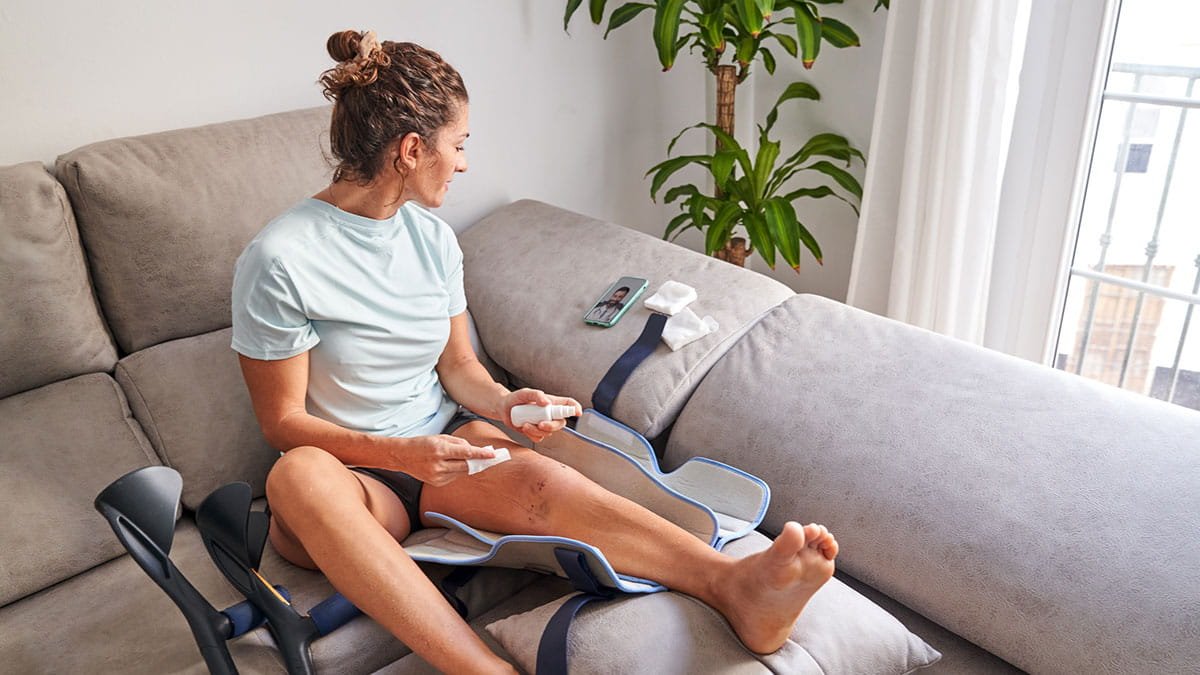
Recovering after surgery requires careful attention, patience, and reliable support throughout the healing process. Post-Surgical Care at Home in Dubai allows patients to recover in familiar surroundings while receiving assistance with appropriate postoperative routines and daily activities. Skilled caregivers can work according to the patient’s healthcare plan and provide practical support, while a Doctor at Home may be involved when medical assessment or professional guidance is appropriate. This combination of organized care, family involvement, and medical supervision can help patients manage recovery more comfortably while gradually rebuilding their strength and independence.
Understanding the Role of Skilled Caregivers:
Skilled caregivers play an important role in supporting patients after surgery because recovery can temporarily affect mobility, personal care, nutrition, medication routines, and emotional wellbeing. Their responsibilities depend on the patient’s condition, surgical procedure, and instructions provided by the healthcare team. Rather than replacing medical professionals, caregivers provide appropriate day-to-day assistance and help patients follow established recovery routines. They can also observe relevant changes and communicate concerns to the appropriate healthcare professional. Having consistent support can make postoperative care more organized and reduce some of the practical challenges patients and families may encounter at home.
Providing Personalized Post-Surgical Support:
Every patient has different recovery requirements, so skilled caregivers provide assistance according to individual needs. The level of support may change as the patient becomes stronger and more independent. Caregivers can follow instructions concerning mobility, personal hygiene, nutrition, medication reminders, wound-care routines, and other appropriate activities. Personalized support helps patients avoid unnecessary physical strain while still participating in suitable tasks. It can also make families more confident that important daily recovery requirements are being addressed consistently.
Skilled caregivers may assist with:
- Personal hygiene and grooming
- Safe movement and positioning
- Medication reminders
- Meal preparation and hydration
- Appropriate daily activities
- Recovery routine organization
- Communication of relevant observations
Supporting Proper Wound Care:
Surgical wounds require appropriate attention while the body repairs damaged tissues. Depending on their training and the patient’s care plan, skilled caregivers may assist with suitable wound-care routines and help patients follow instructions concerning dressings, hygiene, and activity restrictions. They can also observe the surgical area for changes and communicate concerns to the appropriate healthcare professional. Patients should follow the specific instructions provided by their surgeon rather than relying on generalized wound-care advice. Increasing redness, swelling, unusual drainage, significant bleeding, wound separation, worsening pain, or fever should be reported promptly because these changes may require professional assessment.
Helping With Medication Management:
After surgery, patients may have several medications with different schedules and instructions. Pain medicines, antibiotics, anti-inflammatory treatments, and other prescriptions can be difficult to organize when a patient is tired or uncomfortable. Skilled caregivers can provide reminders according to the prescribed schedule and help patients maintain an organized routine. They can also communicate concerns about unexpected reactions to the appropriate healthcare professional. Caregivers should not independently alter medication doses or discontinue prescribed treatments. Following the established medication plan can help patients maintain consistency throughout their recovery.
Encouraging Safe Mobility:
Limited mobility is common after many surgical procedures, and patients may require assistance with walking, getting out of bed, repositioning, or using recommended mobility aids. Skilled caregivers can provide appropriate physical support while following restrictions established by the healthcare team. Patients should not rush into strenuous activities simply because they begin to feel better. If physiotherapy has been prescribed, exercises should be completed according to the qualified therapist’s recommendations. Safe, gradual movement can help patients rebuild confidence and functional abilities while minimizing unnecessary stress on healing tissues.
Maintaining Nutrition and Hydration:
Adequate nutrition and hydration are important components of recovery, but preparing meals can become difficult when patients experience fatigue, discomfort, or restricted mobility. Skilled caregivers can assist with meal preparation and encourage suitable fluid intake when permitted. Meals should follow individual dietary recommendations, particularly for patients with specific medical or nutritional requirements. Appropriate nutrition can provide energy and support general recovery, while adequate hydration contributes to overall wellbeing when fluids are not medically restricted. Caregivers can help establish regular meal routines so patients do not unnecessarily skip meals during the recovery period.
Supporting Personal Hygiene and Comfort:
Personal hygiene can become challenging after surgery, particularly when patients have restrictions on movement or bathing. Skilled caregivers can provide appropriate assistance with bathing, dressing, grooming, toileting, and other personal-care activities while maintaining dignity and privacy. They can also help patients arrange their surroundings for greater comfort. Supporting personal hygiene can contribute to physical wellbeing and confidence during a period when patients may temporarily depend on others. All activities should be performed according to postoperative instructions, particularly when the surgical site needs protection from moisture or excessive movement.
Monitoring Recovery Progress:
Skilled caregivers spend time with patients during everyday activities, allowing them to notice relevant changes that families may not immediately recognize. They may observe differences in appetite, mobility, energy, comfort, wound appearance, sleep, or general behavior. Caregivers do not diagnose complications, but they can communicate important observations to the healthcare team. This ongoing observation can support better communication between patients, families, caregivers, and medical professionals. Patients should still seek professional medical attention when symptoms are severe, unexpected, or worsening rather than relying solely on home-based observation.
Creating a Safe Home Environment:
A safe environment is especially important when patients have temporary weakness, dizziness, restricted movement, or balance difficulties. Skilled caregivers can help patients move safely around the home and identify practical obstacles that may interfere with daily activities. Families can remove clutter, secure loose rugs, improve lighting, and keep commonly used items within comfortable reach. Depending on the procedure, additional safety measures or mobility equipment may be recommended by healthcare professionals. A well-organized home can reduce unnecessary physical effort and give patients greater confidence while performing approved activities.
Reducing the Burden on Family Members:
Family members often provide substantial support after surgery, but managing every aspect of postoperative care can become physically and emotionally demanding. Skilled caregivers can take responsibility for appropriate daily support within their scope, allowing relatives to focus more on companionship and emotional encouragement. This can be particularly valuable when family members have work, household, or other responsibilities. Sharing caregiving responsibilities can create a more sustainable environment and reduce the likelihood of family members becoming overwhelmed during longer recovery periods.
Providing Emotional Support:
Patients may experience frustration, anxiety, loneliness, or temporary loss of independence after surgery. Skilled caregivers can provide companionship and encouragement while helping patients maintain appropriate daily routines. Listening to concerns and communicating respectfully can help patients feel supported throughout recovery. Caregivers can encourage patients to participate in suitable activities without pressuring them to progress faster than medically recommended. Persistent emotional difficulties that interfere with sleep, nutrition, daily functioning, or treatment adherence should be discussed with a qualified healthcare professional.
Encouraging Rest and Sleep:
Rest is essential because the body requires time and energy to recover from surgical stress. Patients may experience disrupted sleep because of pain, medication effects, anxiety, or changes in their normal routine. Skilled caregivers can help organize daily activities so patients have sufficient opportunities for rest. They may assist with appropriate positioning and ensure frequently needed items are accessible before bedtime. Patients should follow their healthcare provider’s recommendations regarding sleeping positions, daytime activity, and rest periods. A balanced routine can help patients manage fatigue while gradually returning to appropriate levels of activity.
Helping Patients Follow Medical Instructions:
Following postoperative instructions consistently can be challenging when patients are recovering from anesthesia, experiencing discomfort, or managing multiple daily responsibilities. Skilled caregivers can help patients remember appropriate routines and communicate questions to their healthcare team. Instructions may relate to medication, wound care, diet, physical activity, hygiene, or follow-up appointments. Caregivers should always work within the established care plan and avoid making independent medical decisions. When an instruction is unclear, patients and caregivers should seek clarification from the relevant healthcare professional.
Supporting Follow-Up Appointments:
Follow-up appointments allow healthcare professionals to assess healing and determine whether treatment or activity recommendations need adjustment. Skilled caregivers can help patients keep track of appointments and organize relevant information about symptoms, medication routines, mobility, or wound changes. Patients can also prepare questions before consultations so important concerns are not forgotten. Maintaining regular communication with the medical team ensures that home-based care remains connected to professional medical supervision and adapts appropriately as recovery progresses.
Encouraging Gradual Independence:
A key objective of skilled caregiving is to support patients without creating unnecessary dependence. As strength and mobility improve, caregivers can encourage patients to participate in suitable daily activities according to medical recommendations. Assistance can gradually decrease as patients become more capable of managing personal care and routine tasks. This approach can help rebuild confidence while maintaining safety. Recovery timelines vary, so patients should focus on steady progress based on their healthcare provider’s recommendations rather than comparing themselves with other patients.
When Skilled Caregiving Is Especially Valuable:
Professional caregiver support can be particularly useful for patients who have limited mobility, require help with daily activities, live alone, undergo major surgery, or need additional assistance during the early recovery period. It can also benefit families who cannot provide continuous care. The appropriate level of support should be determined according to the patient’s procedure, health status, recovery plan, and professional recommendations. Skilled caregivers can provide practical assistance while ensuring that patients remain connected to their healthcare team throughout recovery.
Building a Coordinated Recovery Team:
Successful home recovery often depends on communication among the patient, family members, caregivers, and healthcare professionals. Each person has a different role, and clear communication can help prevent confusion about medications, activity restrictions, appointments, and daily care. Skilled caregivers can share relevant observations with family members and communicate appropriate concerns to the healthcare team. Patients should remain involved in decisions about their care whenever possible. A coordinated approach creates a more organized environment and helps ensure that support changes as the patient’s recovery progresses.
Final Thoughts:
Skilled caregivers can make a meaningful difference in Post-Surgical Care at Home in Dubai by providing personalized assistance, supporting daily routines, encouraging safe mobility, helping with appropriate wound care, and reducing the practical burden on families. Their role is to complement professional medical treatment while helping patients follow established recovery plans in a familiar environment. With effective communication, careful observation, emotional support, and gradual encouragement toward independence, skilled caregiving can make postoperative recovery more organized and comfortable. When combined with appropriate medical supervision and follow-up care, professional home support can help patients progress confidently toward greater strength, comfort, and independence.
- At-Home Recovery Care Dubai
- Best Home Care for Surgical Patients Dubai
- Home Care Services for Surgery Patients Dubai
- Home Nursing After Surgery Dubai
- P
- Post-Operative Care at Home Dubai
- Post-Surgical Care at Home in Dubai
- Private Post-Surgical Home Care Dubai
- Surgery Recovery Assistance Dubai
- Surgical Recovery at Home Dubai