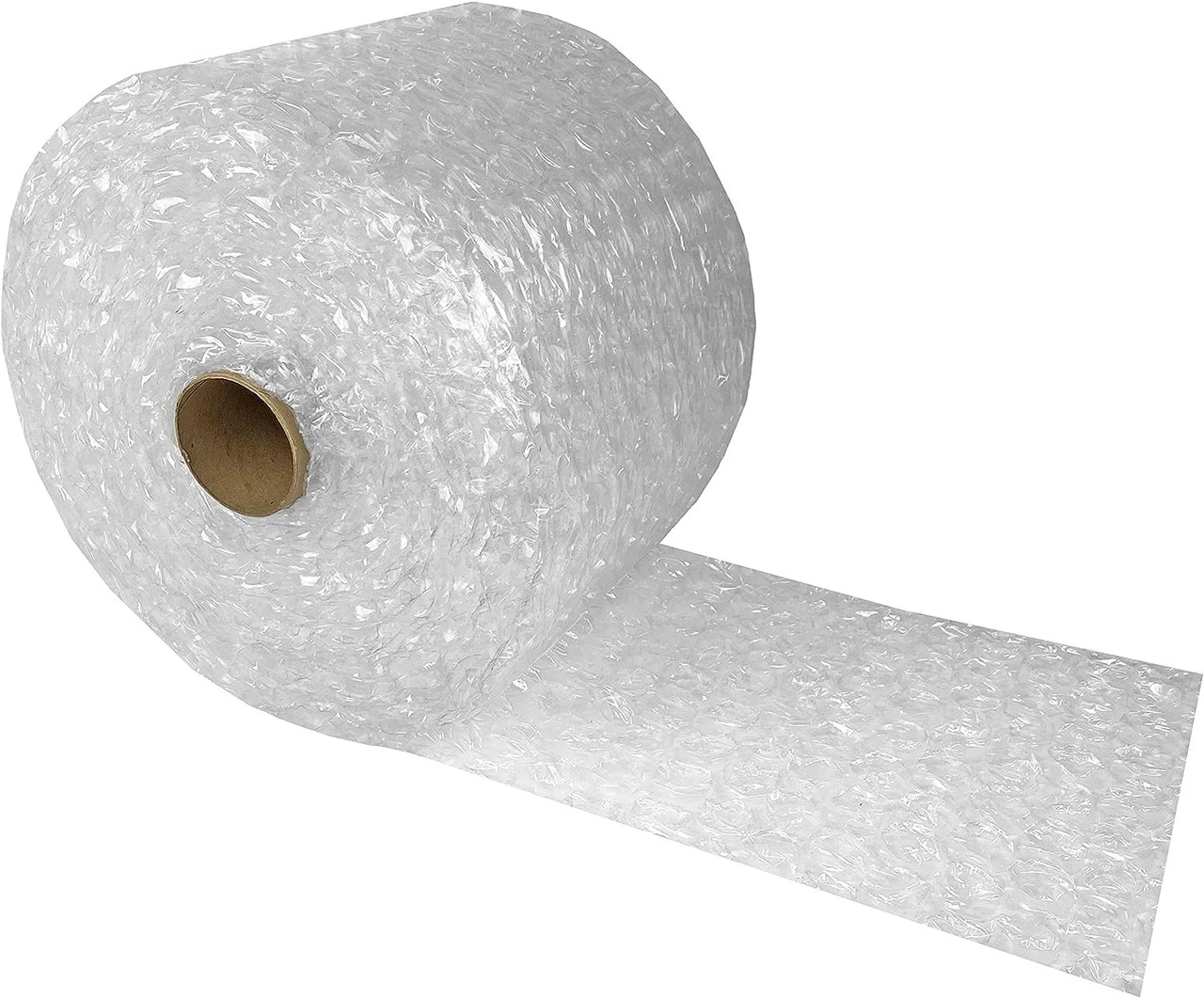
Ask any warehouse manager which packaging supplies run out first, and the answer is almost always the same. Void fill materials and document attachments. These two categories typically move faster than boxes, tape, or cushioning rolls because every shipment uses at least a little of each. When either runs low, the packing line slows down while someone hunts for the alternative.
Shippers who standardize their reorder points on these two categories keep their fulfillment lines moving smoothly through peak seasons. That means buying packing paper online in the right sheet sizes and case quantities, and keeping a full range of document pouches at the ship station at all times.
Packing Paper: More Than Just Void Fill
Kraft packing paper does more work than most operators realize. It fills space inside cartons, wraps individual products to prevent surface scratching, and separates layers of stacked items to reduce contact damage. The best fulfillment operations keep two or three sheet sizes on hand so packers can grab the right one without cutting or folding.
Sheet weights matter as much as sheet sizes. Lightweight 30-pound kraft works for void fill on non-fragile shipments. Medium 40-pound kraft wraps individual products cleanly without tearing. Heavy 50-pound and up handles cushioning on fragile items and layers between stacked heavy products. Buying packing paper online in case quantities across two or three weights costs less per sheet than piecemeal buying and cuts the reorder frequency on the fastest-moving SKU in the fulfillment room.
Packing List Envelopes: The Fastest Way to Attach Documents
Nothing slows a receiving dock like a carton showing up with the invoice buried inside. Packing list envelopes stuck to the outside of every carton fix that problem. Receiving clerks read the paperwork, check it against the shipment, and move the pallet without opening the top of the box.
Ordering packing list envelopes free shipping on qualifying orders keeps a broad range of sizes stocked at the packing table. Sizes typically run from 4.5×5.5 inches for small parts orders up to 10×12 inches for full-page customs documents. Clear-face styles let paperwork show through for fast identification. Back-loading styles hide the paperwork for a cleaner outbound appearance. Printed styles pre-marked with Invoice Enclosed or Packing List cut the step of writing on each pouch.
Reorder Point Mistakes That Cause Stockouts
Even well-run fulfillment rooms hit stockouts on these two categories. The most common causes follow a predictable pattern:
- Setting reorder points based on average weekly use instead of peak-week volume
- Ordering one case at a time when monthly usage clearly justifies pallet quantities
- Storing paper and envelopes at different locations, which makes running-low counts unreliable
- Skipping seasonal reorder adjustments before Q4 or peak selling periods
- Not tracking which sizes actually get pulled from stock most often
- Buying only one sheet size or one envelope size rather than a working range
Fixing any two of these usually eliminates the stockouts that stall the packing line. The audit is straightforward: count what left the shelf last month, compare it against what got ordered, and adjust reorder points to cover 130 percent of peak-week volume instead of average-week volume.
Building a Reorder System That Actually Works
A reorder system for these fast-moving categories has three parts. Set a reorder point at 30 percent above peak-week usage for every SKU. Standardize case quantities so ordering happens in the same size buy every time. Assign one person to check the shelf weekly and place the order automatically when stock hits the reorder point.
Most fulfillment rooms benefit from a physical reorder card system on each shelf. When the packer pulls the last case behind the card, they hand the card to the purchasing lead. That simple visual cue eliminates the gap where inventory falls below the reorder point without anyone noticing until the ship station runs out on a Thursday afternoon.
Small Habits, Steady Output
Void fill materials and document pouches never show up as line items on a P&L. They also never generate strategic conversations at the finance meeting. What they do generate is dozens of small production interruptions per year when a packer walks off the line to hunt for something the shelf should have held.
Buying these categories on a proper wholesale schedule keeps that interruption off the daily fulfillment report. That is the value hidden in getting the small supplies right.