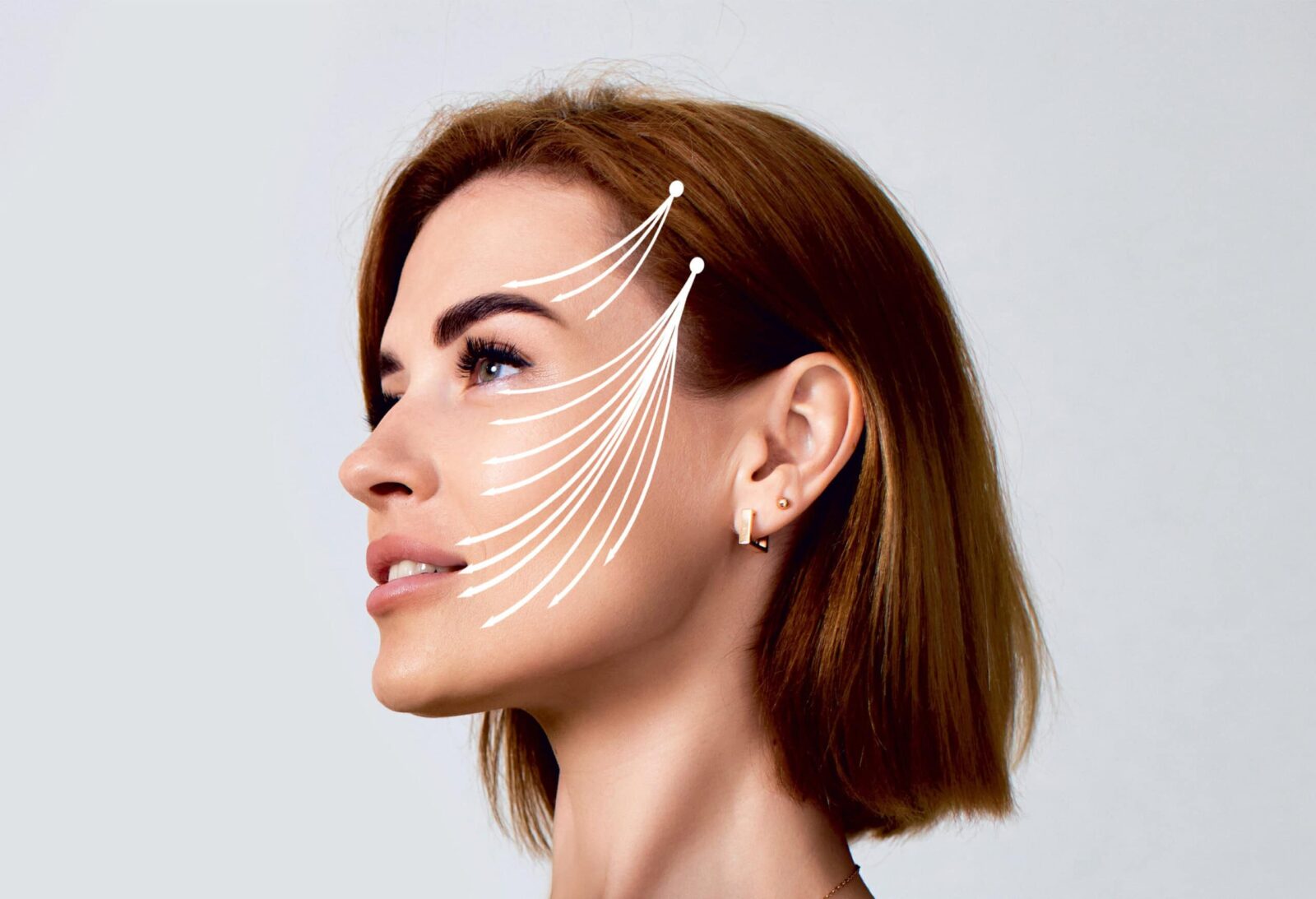
Proper aftercare plays a crucial role in determining how well a cosmetic procedure heals and how long the results last. After undergoing Thread Lift Treatment, patients often focus on the immediate lifting effect, but the recovery phase is equally important for achieving smooth, natural, and long-lasting outcomes. Following the right aftercare routine helps reduce side effects, protect the threads, and enhance collagen stimulation for optimal facial rejuvenation.
Understanding the Healing Process After a Thread Lift:
A thread lift is a minimally invasive procedure that involves placing dissolvable threads beneath the skin to lift sagging facial tissues and stimulate collagen production. After the procedure, the body begins a natural healing response that includes mild inflammation, tissue adjustment, and collagen remodeling. This process is essential for both immediate lifting and long-term skin improvement. During this phase, the threads settle into place and gradually integrate with surrounding tissues.
Typical healing responses include:
- Mild swelling and bruising
- Temporary tightness in treated areas
- Slight discomfort or sensitivity
- Gradual reduction of inflammation
- Early collagen formation
Understanding this process helps patients manage expectations during recovery.
Do: Follow Your Practitioner’s Instructions Carefully:
One of the most important steps in aftercare is strictly following the guidance provided by your practitioner. Each patient’s treatment plan may differ depending on skin condition, number of threads used, and treatment area. Personalized instructions are designed to ensure safe healing and optimal results.
Key instructions may include:
- Taking prescribed medications if needed
- Attending follow-up appointments
- Avoiding specific skincare products
- Monitoring healing progress
- Reporting any unusual symptoms
Adhering to professional advice significantly improves outcomes.
Don’t: Touch or Press the Treated Areas:
After a thread lift, it is essential to avoid touching, pressing, or massaging the treated areas. The threads need time to settle properly beneath the skin, and unnecessary pressure can disrupt their position. Even minor manipulation can affect the final results or cause uneven lifting.
Things to avoid include:
- Facial massage
- Sleeping face-down
- Rubbing or scratching skin
- Applying pressure during cleansing
- Wearing tight face coverings
Keeping hands away from the face helps maintain thread stability.
Do: Sleep in the Correct Position:
Sleeping position plays a vital role in recovery after a thread lift. Patients are usually advised to sleep on their back with the head slightly elevated to avoid pressure on the face. This helps reduce swelling and prevents displacement of the threads during the early healing phase.
Recommended sleep practices include:
- Sleeping on your back only
- Using an extra pillow for elevation
- Avoiding side sleeping
- Keeping face free from pressure
- Maintaining a stable sleeping posture
Proper sleep positioning supports faster healing and better results.
Don’t: Engage in Strenuous Physical Activity:
Intense physical activity should be avoided during the early recovery period because it increases blood flow, which can worsen swelling and interfere with healing. Activities that involve heavy movement or pressure on the face should be postponed until the practitioner approves resumption.
Activities to avoid include:
- Heavy gym workouts
- Running or cardio exercises
- Yoga poses with facial pressure
- Weight lifting
- High-intensity sports
Allowing the body to rest supports proper tissue recovery.
Do: Maintain a Gentle Skincare Routine:
A gentle skincare routine is essential after a thread lift. The skin may be sensitive during recovery, so harsh products or active ingredients should be avoided. Simple, soothing products help protect the skin barrier while it heals.
Recommended skincare practices:
- Use mild, non-irritating cleansers
- Apply gentle moisturizers
- Avoid exfoliants and retinoids temporarily
- Use sunscreen when going outside
- Keep skincare minimal and calming
This helps reduce irritation and supports healing.
Don’t: Consume Alcohol or Smoke:
Alcohol and smoking can negatively impact the healing process by affecting blood circulation and reducing collagen production. These habits can also increase swelling, bruising, and recovery time. Avoiding them during the recovery phase significantly improves results.
Negative effects include:
- Delayed healing process
- Increased swelling and bruising
- Reduced collagen formation
- Higher risk of complications
- Poorer overall results
Avoiding these habits ensures better long-term outcomes.
Do: Stay Hydrated and Eat Nutrient-Rich Foods:
Good nutrition and hydration support the body’s natural healing process after a thread lift. A balanced diet helps improve collagen production and reduces inflammation. Staying hydrated also helps maintain skin elasticity and overall recovery.
Helpful dietary practices include:
- Drinking plenty of water daily
- Eating protein-rich foods
- Consuming fruits rich in vitamins C and E
- Including anti-inflammatory foods
- Avoiding excessive salt and processed foods
Healthy nutrition enhances skin recovery and results.
Don’t: Apply Heat or Undergo Facial Treatments Too Soon:
Heat exposure and certain facial treatments should be avoided during early recovery. These can increase inflammation or interfere with thread placement. It is important to wait until the skin has fully healed before resuming such treatments.
Treatments to avoid include:
- Saunas and steam rooms
- Hot baths or showers on face
- Facial massages
- Chemical peels or laser treatments
- Waxing or aggressive skincare procedures
Allowing adequate healing time is essential for safety.
Do: Monitor Healing Progress Carefully:
Monitoring your recovery helps ensure that everything is healing as expected. Mild swelling and tightness are normal, but any unusual symptoms should be reported to your practitioner immediately. Early detection of issues helps prevent complications.
Things to monitor include:
- Swelling levels over time
- Presence of bruising or discomfort
- Symmetry of facial appearance
- Signs of infection or irritation
- Overall healing progress
Regular observation ensures safe recovery.
Importance of Proper Aftercare for Results:
Aftercare is not just about healing; it directly impacts the quality and longevity of results. Proper care ensures that the threads remain stable, collagen production is optimized, and facial contours improve naturally over time. Patients who follow aftercare instructions carefully often achieve more satisfying and longer-lasting outcomes from their procedure.
How Aftercare Enhances Collagen Production:
One of the key benefits of thread lifts is collagen stimulation, and proper aftercare helps maximize this effect. When the skin is protected during healing, fibroblast activity increases, leading to stronger and more organized collagen formation. This contributes to firmer, smoother, and more youthful-looking skin over time.
Final Thoughts:
Effective aftercare is essential for achieving the best possible results from thread lifts. By following recommended dos and avoiding harmful habits, patients can ensure smoother healing, reduced side effects, and enhanced long-term benefits. With proper care and attention, Thread Lift Treatment can deliver natural-looking facial rejuvenation and improved skin quality that lasts.