Travel in 2026 is becoming less about packed itineraries and more about meaningful experiences. From cooler destinations and slow travel to wellness escapes, authentic local experiences and AI-powered trip planning, travellers are changing the way they explore the world.
For years, holidays were often planned around seeing as many places as possible. A short trip could include multiple cities, famous attractions, restaurants and activities. But today’s travellers are increasingly looking for something different: more comfort, personalization, authenticity and time to actually enjoy a destination.
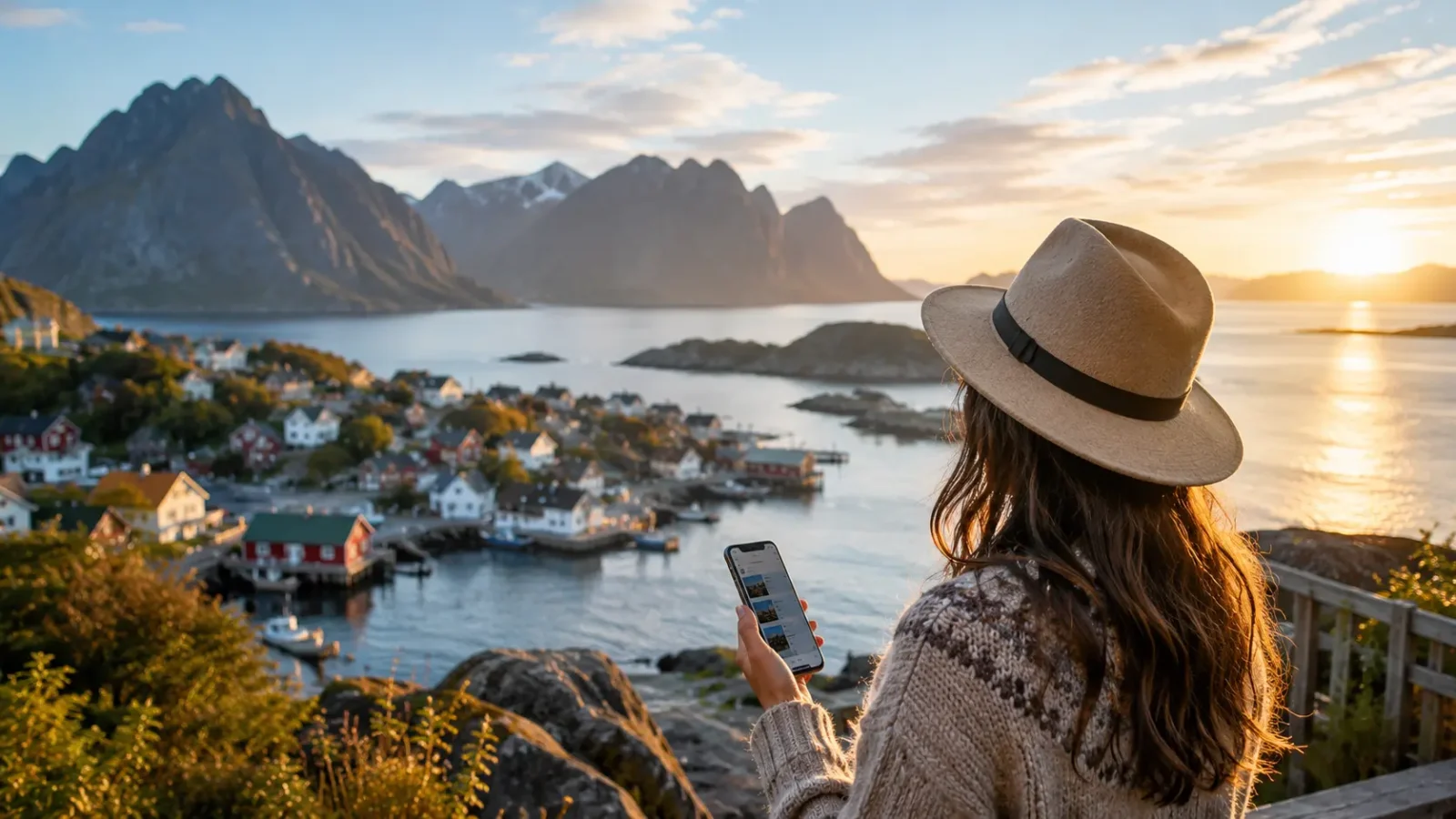
One of the biggest trends shaping travel in 2026 is the rise of coolcations. As extreme summer temperatures influence travel decisions, some travellers are choosing cooler destinations, mountain regions and northern European locations instead of very hot holiday spots. Cooler destinations can also offer opportunities for hiking, nature experiences, outdoor activities and wellness retreats.
At the same time, slow travel is becoming increasingly popular. Rather than visiting several destinations in a short period, travellers are choosing to stay longer in fewer places. This approach allows them to explore local neighbourhoods, experience regional food, meet local communities and understand the culture beyond traditional tourist attractions.
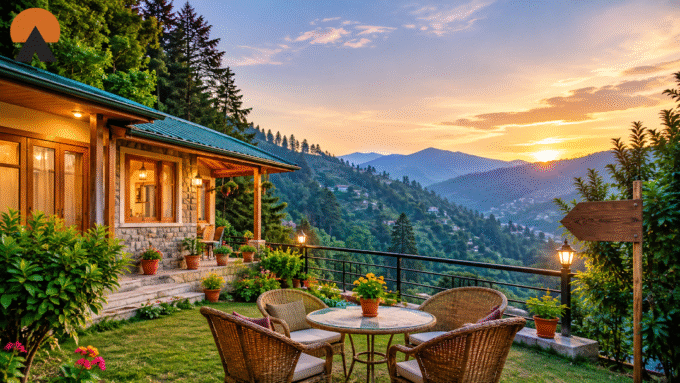
Wellness travel is another major trend. Modern wellness holidays are no longer limited to luxury spas. Travellers are increasingly looking for experiences focused on sleep, relaxation, nature, fitness, mindfulness, healthy food and digital detox. A wellness trip can be as simple as staying in a peaceful mountain retreat, spending time outdoors or creating a holiday with fewer scheduled activities.
Technology is also transforming travel planning. Artificial intelligence is becoming a personal travel assistant, helping users discover destinations, create itineraries, compare options and organize trips around individual interests. A traveller can potentially describe their budget, preferred activities, travel dates and interests and receive a personalized itinerary.
However, AI should be used carefully. Flight schedules, hotel availability, visa requirements, prices and local regulations can change quickly. Travellers should always verify important information through official airline, hotel, government and destination sources before making decisions.
Another important trend is the rise of experience-led travel. Instead of choosing destinations only because they are famous, travellers are increasingly choosing places based on personal interests. Food lovers may plan trips around local cuisine and markets. Adventure travellers may look for hiking and outdoor experiences. Wellness travellers may choose destinations based on nature and relaxation. Culture-focused travellers may prioritize local history, architecture and traditions.
Food itself is becoming a major reason to travel. Local restaurants, street food, markets, cooking classes and regional ingredients can provide travellers with a deeper understanding of a destination. Even visiting a local grocery store can become part of the travel experience, allowing visitors to discover products and everyday food culture that may not be available at home.
Sustainable travel is also evolving. Travellers are becoming more conscious of how tourism affects local communities and the environment. Choosing locally owned businesses, responsible accommodation, public transportation and experiences that support conservation can help create a more positive impact.
Another growing preference is travelling away from overcrowded destinations. Instead of following the most popular tourist routes, travellers are increasingly interested in smaller towns, secondary cities, rural areas and lesser-known destinations. These places can offer quieter experiences while helping distribute tourism spending beyond major tourist centres.
Digital detox travel is also becoming increasingly relevant. After spending much of their daily lives connected to smartphones, social media and work platforms, some travellers are deliberately choosing holidays where technology plays a smaller role. Nature retreats, remote cabins, wellness resorts, reading holidays and phone-free experiences can provide opportunities to disconnect.
Luxury travel is changing as well. Luxury is no longer defined only by expensive hotels, private transportation or exclusive restaurants. Increasingly, travellers associate luxury with privacy, personalisation, space, wellness, authentic experiences and time. A quiet room overlooking nature can sometimes be more valuable than a busy itinerary filled with activities.
The future of travel will likely combine smart technology with authentic human experiences. AI can help with planning, personalization, translation, navigation and booking, while the actual experience remains deeply human.
A meaningful conversation with a local resident, a meal prepared using regional ingredients, a walk through an unfamiliar neighbourhood, a sunrise over the mountains or an evening under a clear night sky cannot be reduced to an itinerary.
This is why the biggest travel trend of 2026 may not be a specific destination or technology.
It may be a change in mindset.
Travellers are increasingly asking not only “Where should I go?”, but also “How do I want to feel when I get there?”
The answer could be different for everyone.
Some people may want adventure. Others may want rest. Some may want food and culture, while others may want nature, wellness or complete digital disconnection.
The future of travel is therefore becoming more personal.
Less rushing. More experiencing.
Less ticking boxes. More meaningful memories.
Less travelling simply to say you were somewhere. More travelling to actually experience it.
As travel continues to evolve throughout 2026, the most successful trips may not necessarily be the ones that cover the most ground.
They may be the ones that leave travellers feeling rested, inspired, connected and changed.