Vaccination remains an important part of preventive healthcare for older adults, and Vaccination at Home in Dubai offers a convenient option for elderly patients who may find traveling to a clinic challenging. With the support of a qualified Doctor at Home, seniors can receive appropriate immunization services in a familiar and comfortable environment. Home-based vaccination may be especially useful for individuals with limited mobility, multiple medical appointments, or difficulty arranging transportation. However, convenience should always be balanced with proper patient assessment, vaccine handling, safe administration, observation, and accurate documentation to ensure that elderly patients receive appropriate care.
Why Vaccination Is Important for Elderly Patients:
As people age, changes in the immune system can affect how the body responds to infections, making preventive healthcare increasingly important. Certain infections can cause more serious complications in older adults, particularly those who have chronic health conditions or reduced physical resilience. Recommended vaccines for seniors depend on factors such as age, medical history, previous immunizations, lifestyle, and individual risk factors. Depending on professional recommendations, elderly patients may be advised to receive vaccines against conditions such as influenza, pneumococcal disease, shingles, or other vaccine-preventable illnesses. Maintaining an appropriate immunization schedule can contribute to preventive health management and may reduce the likelihood of severe illness. Seniors should discuss their vaccination needs with a qualified healthcare professional rather than relying on general recommendations alone.
How Home Vaccination Improves Accessibility:
One of the main benefits of home vaccination is improved access to preventive healthcare. Elderly patients with mobility challenges may find it difficult to travel to a medical facility, arrange transportation, or wait for an appointment. Receiving vaccination at home removes many of these practical barriers and allows the healthcare professional to provide the service in a familiar setting. This can be particularly valuable for seniors who use walking aids, wheelchairs, or require assistance from family members. Home appointments may also reduce physical fatigue associated with traveling and waiting. By bringing vaccination services directly to the patient’s residence, families can make routine immunization easier to organize without unnecessarily disrupting the senior’s daily routine.
Reducing Stress and Discomfort for Seniors:
Medical appointments can sometimes create anxiety or physical discomfort for elderly patients, particularly those who feel overwhelmed by unfamiliar environments. A home vaccination appointment allows the senior to remain in a familiar space surrounded by people and belongings they know. This can create a calmer atmosphere before and after vaccination. Family members or caregivers can remain nearby to provide reassurance and assistance when needed. Seniors may also have more time to communicate concerns without feeling rushed. A relaxed environment can support better communication between the patient and healthcare professional, helping ensure that relevant medical information is discussed before vaccination. Although home vaccination does not eliminate all anxiety associated with injections, the familiar setting may make the overall experience more comfortable for some patients.
Supporting Family Members and Caregivers:
Family members and caregivers often coordinate appointments, transportation, medication schedules, and other healthcare needs for elderly patients. Arranging a clinic visit for vaccination may involve considerable preparation, particularly when a senior needs mobility assistance or cannot travel independently. Home vaccination can simplify this process by bringing the healthcare professional directly to the residence. Caregivers can remain present during the appointment, provide information about the patient’s medical history, and help monitor the senior afterward. Key advantages for caregivers may include: • less transportation planning • reduced waiting time • easier appointment coordination • greater involvement in the patient’s care • convenient post-vaccination observation. This can make preventive healthcare easier to manage while allowing caregivers to focus on the senior’s overall wellbeing.
Importance of Pre-Vaccination Assessment:
A proper health assessment should take place before vaccination, especially when caring for elderly patients with complex medical histories. The healthcare professional may review previous vaccination records, allergies, medications, current symptoms, existing medical conditions, and previous reactions to vaccines. Seniors should also mention recent illnesses or any changes in their health before the appointment. This information can help the healthcare professional determine whether the planned vaccine is appropriate and whether additional medical advice is needed. Elderly patients may take several medications or manage multiple conditions, making accurate communication particularly important. A pre-vaccination assessment ensures that the healthcare team has relevant information before proceeding and provides an opportunity for the patient or caregiver to ask questions.
Maintaining Proper Vaccine Storage:
Vaccine quality depends partly on proper storage and transportation. Many vaccines are sensitive to temperature changes and must be maintained within specific storage conditions. Professional home vaccination providers should have procedures for transporting and handling vaccines appropriately from storage to the patient’s residence. Families should feel comfortable asking providers how vaccines are stored, transported, and prepared before administration. Important safety considerations include: • maintaining recommended temperature conditions • checking vaccine packaging • verifying expiration information • using appropriate medical equipment • following professional handling procedures. Proper storage helps protect vaccine quality and supports the effectiveness of immunization. Choosing a qualified provider is therefore an important consideration when arranging vaccination services at home.
Safe Vaccine Administration for Seniors:
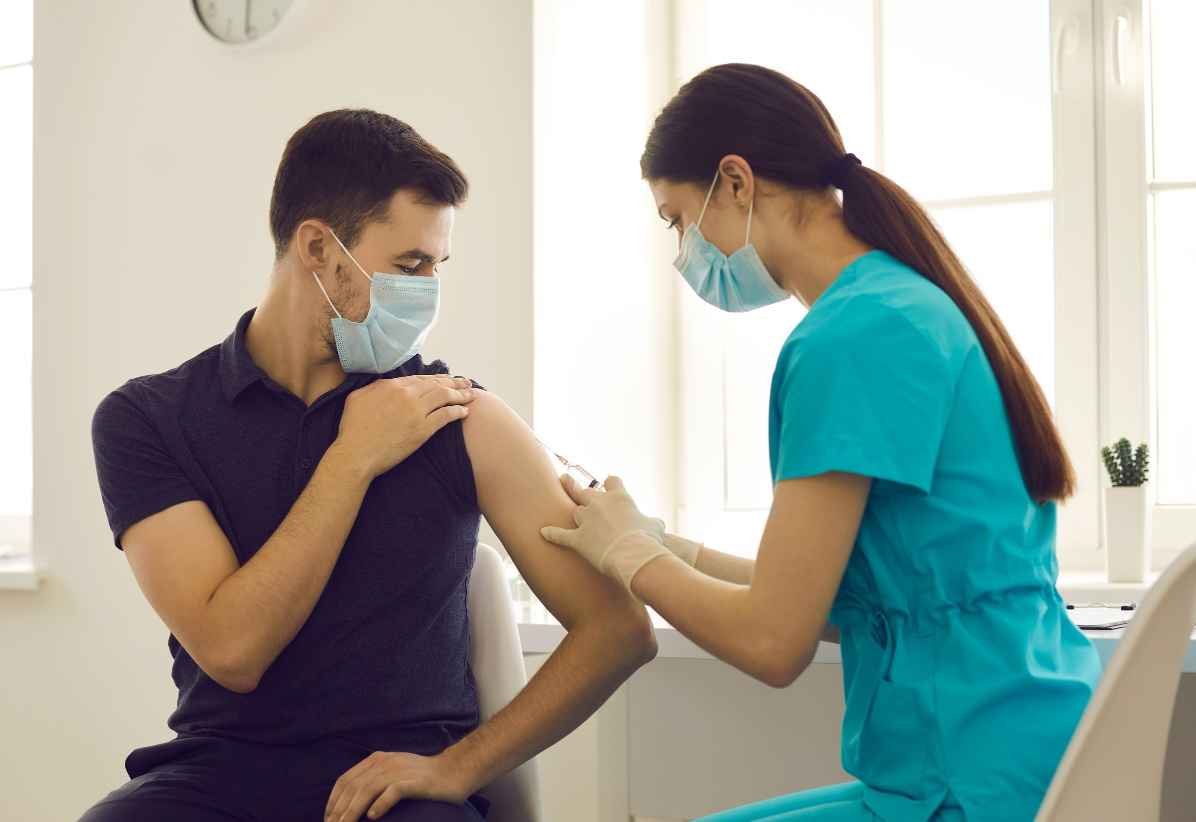
Professional administration is particularly important for elderly patients because they may have mobility limitations, fragile skin, anxiety about injections, or other health considerations. A trained healthcare professional can select an appropriate injection site and use proper technique while following infection-control procedures. Before administration, the patient should be informed about what will happen and given an opportunity to raise concerns. The healthcare professional should use appropriate sterile equipment and dispose of sharps safely after the procedure. Maintaining a clean environment is equally important during home vaccination. A suitable area with adequate lighting and sufficient space can help the healthcare professional perform the procedure safely. Professional technique can also help reduce unnecessary discomfort and support a smoother vaccination experience.
Monitoring After Vaccination:
Observation following vaccination is an important safety consideration. Many vaccine reactions are mild and temporary, but patients should understand what symptoms may occur and when professional assistance may be necessary. Depending on the vaccine, an elderly patient may experience soreness, redness, swelling, tiredness, or a mild fever. A healthcare professional can explain which reactions are generally expected and provide appropriate aftercare guidance. Having a caregiver nearby can be helpful, particularly for seniors who live alone or require assistance with daily activities. If an unusual or serious reaction occurs, prompt medical evaluation may be necessary. Patients and caregivers should follow the healthcare professional’s instructions rather than attempting to manage severe symptoms independently.
Keeping Accurate Vaccination Records:
Accurate records are essential for elderly patients who may have several healthcare providers or multiple medical appointments. A vaccination record can help establish which vaccines have already been received and whether additional doses may be required. After a home vaccination appointment, relevant information should be documented according to professional healthcare procedures. Seniors and caregivers should keep the record accessible and provide it during future medical consultations when appropriate. Organized documentation can reduce uncertainty and help healthcare professionals make informed decisions about future immunizations. It can also prevent confusion when different family members or caregivers are involved in managing the senior’s healthcare.
When Seniors Should Seek Professional Advice:
Elderly patients should discuss vaccination with a healthcare professional when they have questions about eligibility, previous vaccine reactions, allergies, current illness, chronic health conditions, or medication use. Seniors with complex medical histories may require individualized guidance before receiving certain vaccines. Caregivers should provide accurate information about the patient’s health rather than assuming that a vaccine is automatically appropriate. If the patient is experiencing an acute illness or has recently undergone a significant medical procedure, the healthcare provider should be informed before vaccination. Professional assessment allows the healthcare team to determine whether vaccination can proceed or whether additional evaluation is appropriate.
Making Home Vaccination Safer and More Comfortable:
Families can take several simple steps to prepare for a safe home vaccination appointment. The vaccination area should be clean, well-lit, and spacious enough for the healthcare professional to work comfortably. The patient’s vaccination records and relevant medical information should be available before the appointment. Seniors should wear clothing that allows convenient access to the recommended injection area. Caregivers can also prepare a comfortable place for the senior to sit or rest after vaccination. Before the healthcare professional leaves, patients and caregivers should understand the expected aftercare instructions and know when to seek additional medical advice. Good preparation can help make the appointment efficient while supporting patient comfort and safety.
Final Thoughts:
Vaccination can play an important role in preventive healthcare for elderly patients, and home-based services can make access to immunization more convenient. Vaccination at Home in Dubai can reduce travel difficulties, support seniors with limited mobility, and allow caregivers to participate more easily in the vaccination process. At the same time, safety should remain the priority. Proper patient assessment, vaccine storage, professional administration, infection control, post-vaccination monitoring, and accurate documentation are essential components of quality home vaccination. By choosing qualified healthcare professionals and communicating the senior’s medical history clearly, families can make home-based immunization a convenient and responsible part of ongoing preventive care.