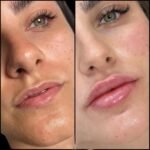
Skin tone that isn’t even is something that you can see right away when you look closely in good light. There may be a darker area on your face near your cheeks or lines from a breakout that won’t go away. It’s annoying because your skin doesn’t feel bad; it just looks different. This is exactly why so many people look for the best whitening cream: they want to find something that makes things better without making things worse. But it’s helpful to know what’s really wrong with your skin and what a cream can really do about it before you buy anything.
What Does It Mean to Use “Whitening Cream”?
Skincare ads use the phrase “whitening cream” a lot, but it doesn’t mean changing the colour of your face. Most of the time, it refers to products that are meant to make dullness, dark spots, uneven pigmentation, or blotchy patches look better. Not lightening, but brightening is a better way to think about it. Brightening items are meant to make your skin look more even, not different. Skincare should never be thought of as a way to make one skin tone better than another. This is the first thing that everyone should understand before they talk about the best whitening cream.
Why Do People Use Whitening Creams for Uneven Skin Tone?
There are different reasons why people use these products. Patches of skin that are clearly darker than the rest of the skin are often left behind by too much sun. Marks left behind by a pimple last for a long time after it’s gone away. There are some people whose skin looks dull and tired all the time. Some people have colouring that shows up for unknown reasons, which is one reason why people should not have too high of hopes. Over time, a cream can help with these issues, but because the cause of colour is different for each person, the result won’t be the same for everyone.
Is the Best Whitening Cream the Same for Everyone?
A lot of people get angry at this point. There isn’t a single best whitening cream that works for all skin types. What works great for someone with oily skin might make someone with dry skin feel heavy and clog their pores. For someone with dark spots that won’t go away, a product that is gentle enough for sensitive skin might not have enough active ingredients to make a difference. Which one is best for you relies on your skin type, how sensitive it is, what you normally do, what your main concern is, and even what texture you like to wear every day. It makes more sense to take care of your own face before seeking out the latest product craze.
How to Read the Label Before You Buy
Take the time to read what’s written on the box before you buy anything.
- List of ingredients. Know what you put on your face. If you don’t know half of the chemicals, look them up before you buy.
- Use of the product. Is this meant to moisturise, brighten, add colour, or do something else? Things often try to do too many things at once.
- Compatibility with skin. Does the recipe work with your skin type? If not, are you putting your skin through something it’s not ready for?
- How to use these. Good brands tell you exactly when and how to use them. Instructions that aren’t clear are a red flag.
- Details about expiration. Once skincare has passed its expiration date, it stops working and may even irritate the face.
- Being real. Buy from people you know and trust. There is a big problem with fake skincare products, especially popular brightening ones.
Understanding the Ingredients Worth Knowing
It is better to know what each item is supposed to do than to try to remember its name.
- This is a type of vitamin B3 that is often used to help even out skin tone and make pores look smaller. In general, most skin types can handle it well.
- Many people use vitamin C, which is an antioxidant, to make their skin look better when it looks dull. Light and air can hurt it, so how you package it is important.
- Alpha arbutin is often found in whitening products to help slowly get rid of the look of dark spots.
- Kojic acid is another ingredient that can help make skin look brighter, but it can be irritating to people with sensitive skin.
- Along with its reputation for making people feel better, liquorice extract is sometimes used to help calm people down.
- Hyaluronic acid doesn’t directly make skin brighter, but it does help keep skin moist, which is important because skin that isn’t getting enough water tends to look duller.
- Ceramides help keep the skin’s barrier strong, which is important when you use active ingredients that might irritate the skin otherwise.
These ingredients don’t promise to get rid of colour for good, and doing a patch test on your own skin is still the best way to be sure.
Choosing According to Your Skin Type
If your skin is oily, avoid heavy creams that can make you feel greasy by noon and instead look for light gel-based textures. If your skin is dry, focus on ingredients that will hydrate it and help the barrier function first, before any whitening ones. If you have sensitive skin, it’s usually safer to start with a simpler formula with fewer active ingredients and work your way up to a stronger one. If you have acne, look at both the ingredients and the texture of the product because some whitening ones can also cause acne. If you have combination skin, you might need to use different products on different parts of your face or different ways to use the same product.
What Can Go Wrong
Skincare habits that are meant to help can sometimes go wrong. When you use too many active ingredients at once, you may irritate your skin instead of getting faster results. In fact, exfoliating too often can make colour look worse. If you change products every few days, nothing has time to get better. If you don’t use sunscreen, your brightening practice will undo a lot of the work it did. It’s not worth the risk to buy creams that you don’t know much about or that are fake. If you expect results right away, you’ll be let down, and following dangerous do-it-yourself trends can do damage that takes a lot longer to fix than the original problem. In every case, it’s safer to be patient, consistent, and stick to products whose ingredients you know.
Whitening vs. Brightening
Some marketing for skin lightening makes it sound like you should change your natural skin colour, which isn’t a healthy or realistic goal. Skincare that focuses on brightening helps get rid of dullness, uneven colouring, and dark spots while preserving your natural tone. When you compare goods, don’t just look at what’s written on the label; pay attention to what the formula is meant to do. There is no reason to think that lighter skin is better. The goal should be healthy skin that looks more even.
Why Sunscreen Matters More Than People Think
Sun protection is an important part of any routine that aims to make you look better. One of the most common reasons pigmentation gets darker or stands out more over time is time spent in the sun. You can get the results you want from any cream by using a broad-spectrum sunscreen every day, reapplying it as needed, staying out of the sun for longer periods of time, and wearing a hat when you can. Even though sunscreen won’t completely stop pigmentation, regularly skipping it makes any brightening effort much less effective.
A Simple Example
Take two people who are both worried about the tone not being even. One’s skin is oily and gets upset easily. The other person’s skin is dry and tight all day. They are both worried about the same thing, but the same product probably won’t help them. The first person probably needs something light that won’t irritate their skin too much, while the second person needs something more moisturising that still gets rid of colour. This is the reason why the best whitening cream for one person might not be the best whitening cream for another.
Setting Realistic Expectations
Getting good skin takes time, and that needs to be said again. If something makes you angry, it’s probably not working right, and you should slow down or stop. It’s not always true that more active ingredients mean better results, and a complicated routine doesn’t always work better than a simple one. If a product regularly makes your skin red and itchy, it’s usually better to stop using it than to put up with the pain.
When Professional Advice Makes Sense
There are times when the advice of a doctor is really helpful. It’s important to see a doctor if your pigmentation doesn’t go away or gets worse, if the cause isn’t clear, if your skin keeps responding badly to products, or if over-the-counter remedies aren’t working. This is also true if you want to try stronger treatments than just over-the-counter creams. A dermatologist can look at your skin and give you specific advice instead of using general information.
To Read More Blogs: Click Here
Last Thoughts
How to find the best whitening cream? It’s not as simple as picking the most famous or heavily advertised product. It’s important to know what kind of skin you have, read labels carefully, know what ingredients do, and always wear sunscreen with any product. If you take the right steps, your uneven skin tone can get better, but you need to be patient and not expect results right away. Most of the time, the easiest habit that your skin can handle over time is the one that works best.