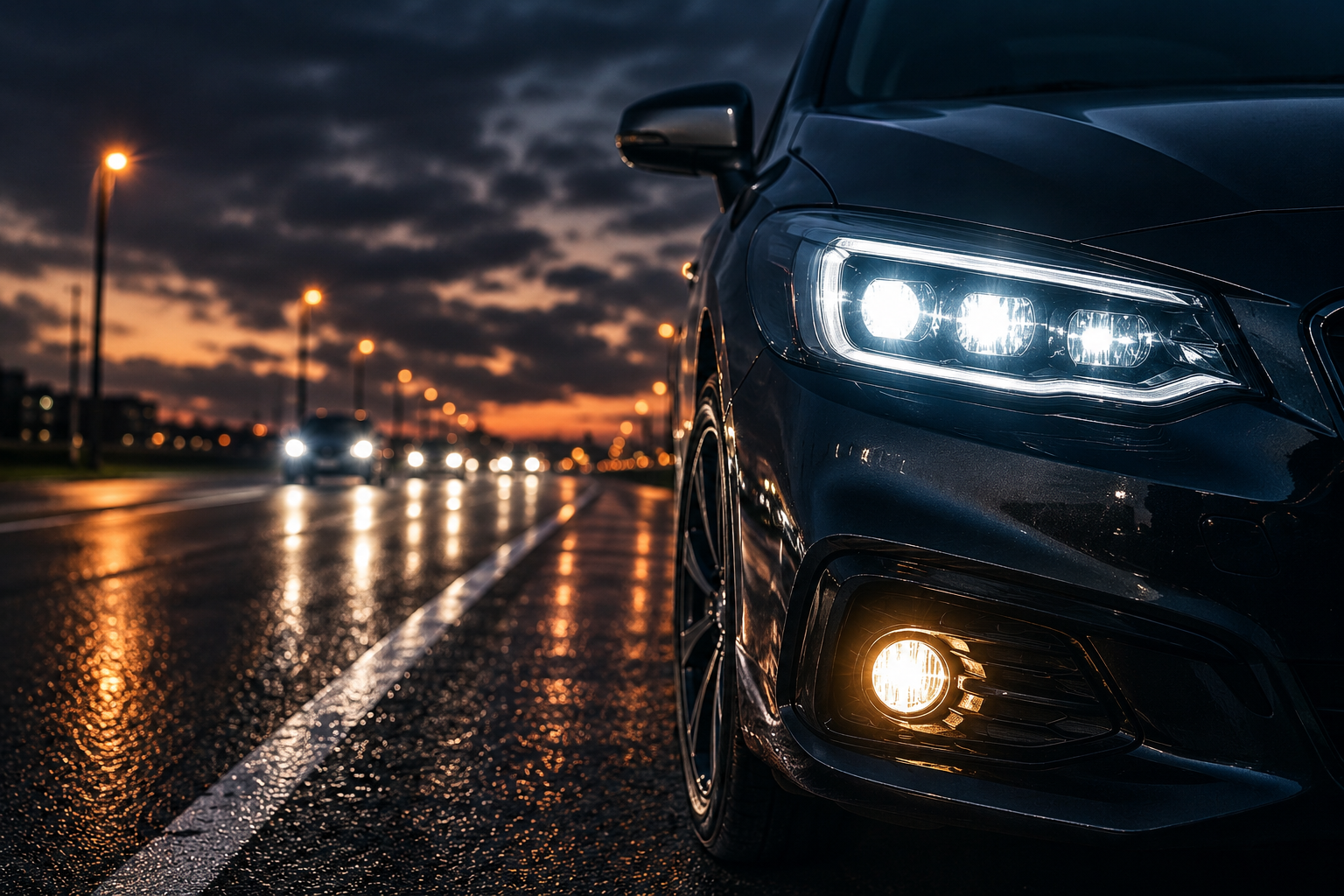
Upgrading your vehicle’s lighting is one of the easiest ways to improve visibility, enhance safety, and give your car a modern appearance. Whether you’re replacing factory halogen bulbs with LEDs, adding fog lights for better performance in poor weather, or installing auxiliary lights for off-road adventures, choosing the right lighting setup can make a noticeable difference.
However, before making any modifications, it’s important to understand that vehicle lighting is regulated by law. Lighting requirements exist to improve road safety, ensure drivers can see and be seen, and prevent distractions or confusion for other motorists. While many upgrades are perfectly legal when installed correctly, others may violate local traffic regulations and result in fines or failed vehicle inspections.
This guide explains the essential vehicle lighting laws every driver should understand before upgrading their car, helping you make informed decisions while staying safe and compliant.
Why Vehicle Lighting Laws Matter
Vehicle lighting laws are designed with one primary goal: keeping roads safe for everyone. Proper lighting helps drivers navigate at night, improves visibility during rain or fog, and allows other road users to recognize your vehicle’s movements.
Regulations also prevent modifications that may create unnecessary glare, mimic emergency vehicles, or reduce the effectiveness of safety systems.
Following lighting regulations offers several benefits:
-
Improves visibility during nighttime driving.
-
Reduces glare for oncoming traffic.
-
Helps pedestrians identify approaching vehicles.
-
Prevents unnecessary traffic citations.
-
Supports safer driving in changing weather conditions.
Rather than limiting customization, these rules ensure every driver can enjoy vehicle upgrades without compromising public safety.
Understanding the Different Types of Vehicle Lights
Every light on a vehicle serves a specific purpose. Knowing these functions helps you choose upgrades that improve performance without creating legal issues.
Headlights
Headlights provide forward illumination during low-light conditions. Most jurisdictions require headlights to emit white light and meet approved brightness standards. Improperly aligned or excessively bright headlights can reduce visibility for other drivers.
Daytime Running Lights
Daytime Running Lights (DRLs) increase vehicle visibility during daylight hours. Many newer vehicles include factory-installed DRLs, and replacement components should maintain the original performance standards.
Fog Lights
Fog lights are designed to improve visibility during heavy fog, rain, or snow by projecting a low, wide beam that reduces glare reflected by moisture in the air.
They should generally be used only when weather conditions justify additional illumination.
Tail Lights and Brake Lights
Tail lights help drivers identify your vehicle after sunset, while brake lights communicate when you’re slowing or stopping. Damaged or non-functioning rear lights should always be repaired promptly.
Turn Signals
Turn indicators allow other motorists to anticipate lane changes and turns. Consistent signaling remains one of the simplest ways to improve road safety.
Reverse Lights
Reverse lights improve rear visibility when backing up while alerting nearby pedestrians and vehicles that your car is moving backward.
Popular Vehicle Lighting Upgrades
Many aftermarket lighting upgrades improve both appearance and functionality when installed correctly.
LED Headlight Conversions
LED headlights provide brighter illumination while consuming less power than traditional halogen bulbs. However, compatibility is essential. Installing LED bulbs into reflector housings designed for halogen bulbs may create excessive glare if not properly engineered.
Choosing quality components and ensuring correct beam alignment helps maximize visibility while reducing inconvenience for other drivers.
Auxiliary Driving Lights
Drivers who frequently travel on rural roads often install auxiliary driving lights for additional visibility. These lights can be extremely useful in remote areas but may be restricted on public highways unless specific conditions are met.
Always verify local regulations before using additional forward-facing lights on public roads.
Interior and Accent Lighting
Interior ambient lighting generally has few restrictions because it does not affect other road users. Decorative exterior lighting, however, may be regulated depending on color, brightness, and placement.
Blue and red lights are commonly reserved for emergency vehicles in many jurisdictions and should be avoided unless specifically permitted.
Common Lighting Modifications That Can Cause Problems
Many legal issues arise not because drivers intend to violate the law but because they are unaware of certain restrictions.
Common mistakes include:
-
Installing headlights that exceed legal brightness limits.
-
Using unauthorized colored lights.
-
Driving with off-road light bars illuminated on highways.
-
Misaligning headlights after installation.
-
Modifying factory wiring incorrectly.
Even premium aftermarket products should always be installed according to manufacturer recommendations and local regulations.
Understanding the Rules Around Strobe Lights
Strobe lights are among the most misunderstood vehicle lighting modifications. Because they are widely associated with emergency responders, law enforcement, and service vehicles, many jurisdictions restrict their use on privately owned vehicles.
While some states or regions may allow certain warning lights in limited circumstances, others prohibit flashing lights on public roads unless the vehicle is specifically authorized.
Before purchasing or installing this type of equipment, drivers should understand the regulations that apply in their location. For readers looking for a more detailed explanation of this topic, this guide on Can I Use Strobe Lights for Private Vehicles? from Underground Lighting offers additional information about common legal considerations and situations where these lights may or may not be permitted.
Rather than assuming a product is legal simply because it’s available for sale, it’s always wise to verify local traffic regulations before using specialized lighting on public roads.