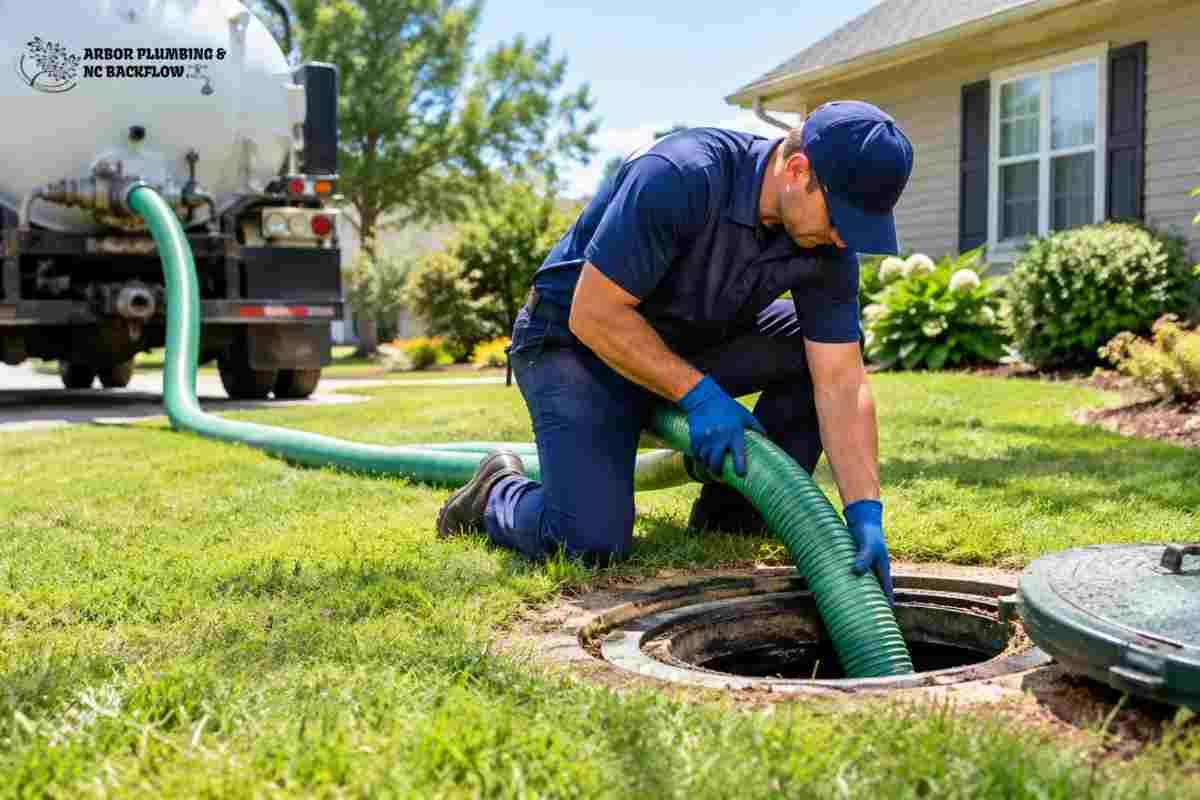
A septic system works quietly beneath your property, but that does not mean it can be forgotten. Regular septic tank maintenance helps keep wastewater moving properly and reduces the risk of backups, unpleasant odors, drainage problems, and expensive repairs. When routine maintenance is ignored, small issues can gradually become serious problems that affect your home, yard, plumbing, and health.
Understanding what can happen when a septic tank is neglected can help homeowners take action before a minor concern becomes an emergency.
Why Septic Tank Maintenance Matters
A septic system collects and treats wastewater from toilets, sinks, showers, washing machines, and other household plumbing fixtures. Solid waste settles at the bottom of the tank as sludge, while lighter materials form a floating layer called scum. The liquid wastewater moves into the drain field for further treatment.
Over time, sludge and scum continue to build up. If the tank is not inspected and pumped when necessary, there may not be enough space for the system to work efficiently.
Regular septic tank maintenance can include inspections, pumping, checking the tank and plumbing components, and identifying possible problems before they become major failures. A professional can also help determine an appropriate maintenance schedule based on household size, tank capacity, water usage, and system conditions.
1. Slow Drains May Become a Bigger Problem
One of the first signs of a septic problem may be slow drainage. You may notice that sinks, showers, or toilets are taking longer than usual to drain.
It can be tempting to treat a slow drain as an ordinary plumbing issue. However, if several drains throughout the home are slow at the same time, the septic system may be struggling to handle wastewater.
Ignoring the problem can place additional pressure on the system. A professional inspection can help determine whether the issue is caused by the septic tank, drain field, plumbing, or another component.
2. Sewage Backups Can Occur
When a septic tank becomes too full or the system develops a blockage, wastewater may have nowhere to go. This can result in sewage backing up into toilets, sinks, showers, or other areas of the home.
A sewage backup is more than an inconvenience. Wastewater can contain harmful microorganisms and create unpleasant odors. It can also damage floors, walls, furniture, and other household materials.
Routine septic tank maintenance helps reduce the likelihood of reaching this stage. Pumping and inspections allow accumulated solids to be removed before they interfere with normal system operation.
3. Unpleasant Odors May Appear
A properly functioning septic system should not produce strong sewage odors around the home. Persistent foul smells near the septic tank, drain field, or plumbing fixtures can indicate that something needs attention.
Odors may develop because the tank is overly full, wastewater is not moving correctly, or another part of the system has a problem. Rather than covering the smell with air fresheners, homeowners should have the septic system checked.
Finding the source early may prevent a more expensive repair later.
4. Your Drain Field Can Become Damaged
The drain field is an important part of a septic system. It receives treated liquid wastewater from the tank and allows it to filter into the soil.
When too many solids accumulate in the tank, solids can potentially move toward the drain field. This can reduce the field’s ability to absorb wastewater and may eventually cause drainage problems.
Drain field repairs or replacement can be costly and disruptive. Proper septic tank maintenance helps protect this important part of the system by keeping excessive sludge from building up inside the tank.
5. Your Yard May Show Warning Signs
Your yard can sometimes provide clues that a septic system needs attention. Wet or unusually green areas near the drain field may indicate that wastewater is not being absorbed properly.
You may also notice standing water, soggy soil, sewage odors, or unusually lush vegetation in a specific area.
These signs should not be ignored. They can indicate that wastewater is reaching the surface rather than being properly treated and absorbed underground.
6. Plumbing Problems Can Become More Frequent
When a septic system is not maintained, household plumbing may begin to experience repeated problems. Toilets may flush slowly, drains may back up, and wastewater may move more slowly through the system.
Repeatedly using chemical drain cleaners may not solve the underlying issue. If the septic system itself is overloaded or failing, the problem will continue until the root cause is addressed.
Professional septic tank maintenance can help identify whether the problem is related to the tank, drain field, plumbing lines, or another component.
7. Repairs Can Become More Expensive
One of the biggest disadvantages of ignoring septic maintenance is the potential increase in repair costs.
A relatively simple maintenance service may help identify an issue while it is still manageable. If the problem is ignored for months or years, it may progress into a damaged drain field, failed components, sewage backup, or complete system failure.
Preventive maintenance is generally easier to plan and budget for than an unexpected septic emergency.
8. Water Quality Can Be Affected
A failing septic system can create environmental concerns because untreated or poorly treated wastewater may enter the surrounding soil and groundwater.
Homeowners who rely on private wells should take septic system care especially seriously. A septic problem located near a well can create a potential pathway for contaminants to reach groundwater.
Well owners should also consider professional services such as Durham Well Disinfection when appropriate. Well disinfection can be part of maintaining a safe private water system when contamination or other concerns require professional attention. Septic maintenance and well care should be viewed as separate but connected parts of responsible property maintenance.
How Often Should You Maintain Your Septic Tank?
There is no single maintenance schedule that works for every property. The right frequency depends on factors such as the number of people living in the home, water consumption, tank size, wastewater volume, and the amount of solids entering the system.
Instead of waiting for a backup or unpleasant odor, homeowners should work with a septic professional to establish a suitable inspection and pumping schedule.
Keeping records of previous pumping and inspections can also make it easier to determine when future service may be needed.
Simple Habits That Support Septic System Health
Homeowners can take several simple steps to reduce unnecessary stress on their septic system:
- Avoid flushing wipes, paper towels, grease, or other unsuitable materials.
- Do not pour cooking grease or oils down household drains.
- Repair leaking faucets and toilets to reduce excess water entering the system.
- Spread laundry and other high-water-use activities throughout the week.
- Avoid driving heavy vehicles over the drain field.
- Keep trees and large plants away from septic system components.
- Schedule professional inspections and pumping when recommended.
- Pay attention to slow drains, odors, wet spots, and sewage backups.
These habits do not replace professional service, but they can support better long-term system performance.
Protect Your Septic System Before Problems Start
Ignoring your septic system does not make maintenance unnecessary. It can simply allow hidden problems to grow until they become more difficult and expensive to resolve.
Regular septic tank maintenance helps homeowners identify developing problems, control sludge buildup, protect the drain field, and reduce the risk of unexpected sewage backups. It can also support a cleaner and healthier environment around the property.
If you notice slow drains, unpleasant odors, wet areas in the yard, or other warning signs, do not wait for a complete system failure. Professional evaluation can help determine what your septic system needs and whether pumping or additional service is appropriate.
For homeowners in and around Garner, routine septic care is an important part of protecting the property and keeping wastewater systems working properly. Taking care of the system before an emergency occurs can provide greater peace of mind and help extend the useful life of your septic system.