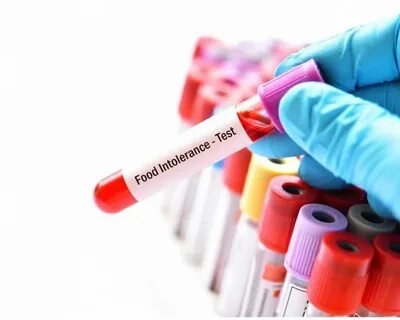
Have you ever noticed feeling bloated, tired, or uncomfortable after eating certain foods but couldn’t pinpoint the exact cause? These recurring symptoms may be linked to food intolerance rather than a food allergy. A Food Intolerance Test Dubai is designed to help identify foods that your body struggles to digest, allowing you to make informed dietary choices and improve your overall health.
As digestive health becomes a growing concern worldwide, more people are seeking answers through food sensitivity testing and elimination diets. However, understanding how food intolerance tests work, their benefits, and their limitations is essential before making changes to your diet.
This guide explains everything you need to know about food intolerance testing, including different testing methods, what to expect, and whether these tests are worth considering.
Understanding Food Intolerance:
Food intolerance occurs when the digestive system cannot properly process certain foods or ingredients. Unlike food allergies, which involve the immune system and may trigger severe reactions, food intolerance generally causes digestive and non-life-threatening symptoms.
Common symptoms associated with food intolerance include:
- Bloating
- Gas
- Stomach cramps
- Diarrhea
- Constipation
- Headaches
- Fatigue
- Brain fog
- Nausea
- Skin irritation
Symptoms often appear several hours after eating, making it difficult to identify the responsible food without careful monitoring or professional assessment.
Why Do Food Intolerances Develop?
Food intolerance can develop for several reasons, including enzyme deficiencies, sensitivity to naturally occurring food chemicals, digestive disorders, or difficulty processing certain carbohydrates.
Some of the most common causes include:
Enzyme Deficiency:
One of the best-known examples is lactose intolerance, where the body lacks sufficient lactase enzyme to digest lactose found in dairy products.
Chemical Sensitivity:
Some individuals react to naturally occurring substances such as caffeine, histamine, or food additives like artificial preservatives and flavor enhancers.
Digestive Conditions:
Conditions such as Irritable Bowel Syndrome (IBS), inflammatory bowel disease, or gastrointestinal infections may increase sensitivity to certain foods.
FODMAP Sensitivity:
Certain carbohydrates known as FODMAPs are poorly absorbed in the small intestine, leading to digestive symptoms in sensitive individuals.
What Is a Food Intolerance Test?
A food intolerance test is an assessment used to determine whether certain foods may be contributing to ongoing digestive or physical symptoms.
Unlike allergy testing, food intolerance testing focuses on identifying foods that are difficult to digest rather than detecting immune system reactions.
The primary goal is to help individuals identify dietary triggers and create a nutrition plan that reduces discomfort while maintaining balanced nutrition.
How Does a Food Intolerance Test Work?
The testing process varies depending on the type of evaluation being performed.
Medical History Assessment:
Most healthcare providers begin by reviewing your:
- Symptoms
- Medical history
- Family history
- Current diet
- Lifestyle habits
- Existing digestive disorders
This information helps determine which testing approach is most appropriate.
Food Diary Analysis:
Patients are often asked to maintain a detailed food journal for several weeks.
The diary typically records:
- Foods consumed
- Portion sizes
- Meal times
- Symptoms experienced
- Symptom severity
Patterns frequently emerge that help identify possible trigger foods.
Laboratory Testing:
Some clinics offer blood-based food sensitivity tests that measure Immunoglobulin G (IgG) antibodies to different foods.
While these tests are commercially popular, many medical organizations note that elevated IgG levels often indicate normal exposure to food rather than intolerance. Therefore, these tests should always be interpreted alongside clinical evaluation.
Breath Testing:
Hydrogen breath tests are commonly used to diagnose lactose intolerance and certain carbohydrate malabsorption disorders.
After consuming a sugar solution, the amount of hydrogen in your breath is measured. Elevated hydrogen levels indicate incomplete digestion and fermentation in the intestines.
Elimination Diet:
Many healthcare professionals consider the elimination diet to be the most reliable method for identifying food intolerance.
The process includes:
- Removing suspected foods from your diet.
- Monitoring symptom improvement.
- Reintroducing foods one at a time.
- Observing whether symptoms return.
This structured approach often provides clearer results than laboratory testing alone.
Foods Commonly Linked to Intolerance:
Although any food can potentially cause intolerance, some foods are more frequently associated with digestive symptoms.
These include:
- Milk and dairy products
- Wheat
- Gluten-containing grains
- Eggs
- Soy
- Corn
- Artificial sweeteners
- Caffeine
- Chocolate
- Alcohol
- High-FODMAP fruits and vegetables
- Processed foods containing preservatives
Individual responses vary, which is why personalized assessment is so important.
Who Should Consider Food Intolerance Testing?
Food intolerance testing may benefit individuals experiencing:
- Frequent bloating
- Persistent digestive discomfort
- Chronic diarrhea
- Constipation
- Irritable bowel syndrome symptoms
- Unexplained headaches
- Ongoing fatigue
- Skin problems
- Recurring stomach pain after meals
If symptoms continue despite maintaining a healthy diet, consulting a qualified healthcare professional is recommended.
Benefits of Food Intolerance Testing:
When performed appropriately and interpreted correctly, food intolerance testing offers several potential advantages.
Personalized Nutrition:
Testing may help identify foods that consistently trigger symptoms, allowing for customized dietary planning.
Improved Digestive Health:
Removing problematic foods often reduces bloating, abdominal discomfort, and irregular bowel movements.
Better Energy Levels:
Many individuals report increased energy after addressing chronic digestive irritation.
Reduced Inflammation:
Although food intolerance is different from food allergy, reducing foods that consistently cause digestive stress may contribute to overall wellness.
Enhanced Quality of Life:
Managing symptoms effectively allows many people to enjoy daily activities with fewer digestive interruptions.
Limitations of Food Intolerance Tests:
Despite growing popularity, food intolerance testing has limitations.
Important considerations include:
No Universal Gold Standard:
There is currently no single laboratory test that accurately diagnoses every type of food intolerance.
False Positives:
Some commercial tests may identify foods that are not actually causing symptoms.
Overly Restrictive Diets:
Misinterpreting test results can lead people to eliminate nutritious foods unnecessarily.
Symptoms May Have Other Causes:
Digestive symptoms may result from infections, gastrointestinal diseases, stress, medication side effects, or hormonal changes rather than food intolerance alone.
Because of these limitations, healthcare providers generally recommend combining testing with professional clinical assessment.
How to Prepare for a Food Intolerance Test?
Proper preparation improves the accuracy of evaluation.
Helpful steps include:
- Maintain your normal diet unless instructed otherwise.
- Record symptoms consistently.
- Keep a detailed food diary.
- Inform your healthcare provider about medications.
- Follow all pre-test instructions carefully.
Accurate symptom tracking often provides valuable diagnostic information.
What Happens After Receiving the Results?
Receiving your results is only the beginning.
Your healthcare provider may recommend:
- Eliminating identified trigger foods temporarily
- Gradually reintroducing foods
- Monitoring symptom changes
- Working with a registered dietitian
- Conducting additional medical investigations if needed
The goal is not to remove as many foods as possible but to create a balanced, sustainable eating plan.
Can Food Intolerance Be Treated?
Although food intolerance cannot always be cured, symptoms can usually be managed successfully.
Treatment strategies include:
- Avoiding confirmed trigger foods
- Eating smaller meals
- Improving gut health
- Following a low-FODMAP diet when appropriate
- Using enzyme supplements for certain intolerances, such as lactase supplements for lactose intolerance
- Managing underlying digestive disorders
Most people experience noticeable symptom improvement after implementing personalized dietary changes.
Frequently Asked Questions:
Is a food intolerance test the same as an allergy test?
No. Allergy tests evaluate immune system reactions, while food intolerance tests focus on digestive responses and food sensitivities.
Are home food intolerance tests reliable?
Some home testing kits provide useful information, but many blood-based IgG tests remain controversial. Professional interpretation is always recommended.
Can children have food intolerance?
Yes. Children can develop lactose intolerance, gluten sensitivity, and other food-related digestive issues. Any persistent symptoms should be evaluated by a healthcare provider.
How long does it take to identify food intolerance?
An elimination diet may take several weeks, while laboratory tests and breath tests often provide results within days.
Can food intolerance disappear?
Some intolerances improve over time, while others remain lifelong. The outcome depends on the underlying cause and individual health factors.
Final Thoughts:
A food intolerance Lab tests can be a valuable tool for identifying dietary triggers behind persistent digestive discomfort, bloating, headaches, fatigue, and other recurring symptoms. However, no single test can diagnose every food intolerance with complete accuracy. The most reliable approach combines a detailed medical history, symptom tracking, evidence-based diagnostic methods, and carefully supervised elimination diets.
Rather than relying solely on commercial testing kits, seek guidance from a qualified healthcare professional who can interpret your symptoms within the context of your overall health. With the right evaluation and a personalized nutrition plan, many people successfully manage food intolerance, improve digestive health, and enjoy a healthier, more comfortable lifestyle without unnecessary dietary restrictions.