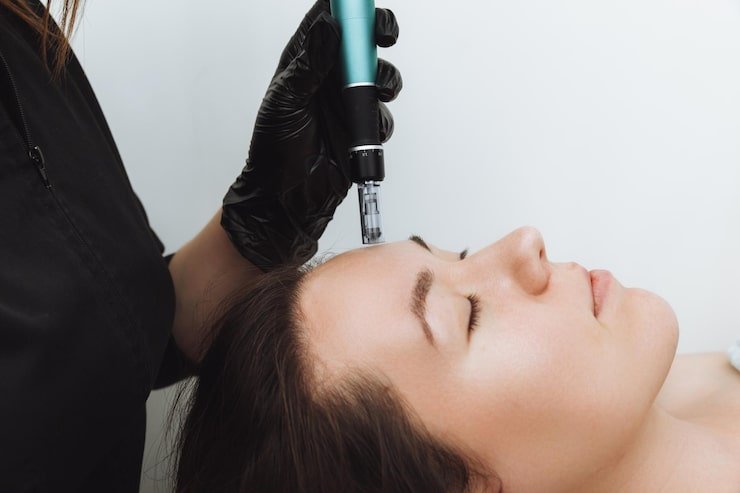
A Dermapen Treatment provider should have appropriate professional qualifications, specialized microneedling training, practical experience, and a strong understanding of skin health and infection prevention. Since the procedure creates controlled micro-injuries in the skin, choosing a qualified practitioner is important for reducing risks and supporting safe treatment. People considering علاج ديرمابن في دبي should verify the provider’s credentials, ask about their clinical experience, and ensure that the treatment is performed in a suitable, hygienic setting.
Should a Dermapen Provider Be a Qualified Healthcare Professional?
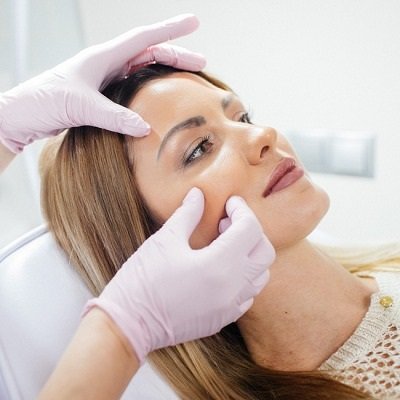
A dermatologist or another appropriately licensed healthcare professional with relevant microneedling training is a strong choice. Dermatologists have specialized knowledge of skin conditions and can assess whether microneedling is suitable for concerns such as acne scars, uneven texture, and fine lines.
The qualifications legally required to perform Dermapen Treatment vary by location, treatment depth, device, and professional scope of practice. Patients should confirm that their chosen provider is authorized to perform the specific procedure under local regulations.
A professional title alone does not guarantee competence. Relevant training, practical experience, and an understanding of potential complications are also important.
What Training Should a Dermapen Provider Have?
A qualified provider should receive appropriate theoretical and practical training in microneedling. Important areas include:
-
Skin anatomy and physiology: Understanding skin structure, healing, and collagen remodeling.
-
Microneedling techniques: Knowing how to operate the device appropriately and select suitable treatment settings.
-
Skin assessment: Recognizing concerns that may respond to microneedling and conditions that require postponement or referral.
-
Infection prevention: Following hygiene procedures and using appropriate sterile equipment.
-
Complication management: Recognizing adverse reactions and understanding when medical attention is necessary.
-
Aftercare guidance: Explaining how patients can support recovery and reduce irritation.
Patients should ask whether the provider has completed relevant training and gained supervised practical experience. A certificate alone may not demonstrate sufficient clinical competence.
Why Is Experience With Dermapen Treatment Important?
Experience helps a practitioner assess different skin conditions, identify potential contraindications, and develop an individualized treatment plan. It can also help the provider recognize when microneedling is unlikely to deliver the desired improvement.
Before booking, patients should ask how frequently the practitioner performs microneedling and whether they have experience treating similar concerns. It is also reasonable to ask how treatment progress is assessed and what steps are taken if an unexpected reaction occurs.
Even an experienced practitioner cannot guarantee specific results. Skin response varies according to individual characteristics, treatment technique, and aftercare.
What Hygiene and Safety Standards Should the Provider Follow?
Microneedling temporarily disrupts the skin’s protective barrier, so infection prevention is essential. A suitable provider should follow established hygiene protocols and use equipment designed for the intended procedure.
Patients should confirm that a new, sterile needle cartridge is used for each treatment and ask how the device and surrounding treatment area are cleaned. Reusing contaminated needle cartridges can increase the risk of infection and other complications.
The provider should also explain potential side effects, including temporary redness, swelling, tenderness, infection, scarring, and pigmentation changes. Patients should receive clear instructions about recovery and when to seek medical assessment.
How Can Patients Verify a Provider’s Qualifications?
Before choosing a Dermapen provider, patients can take several practical steps:
-
Verify the practitioner’s professional license or registration where applicable.
-
Ask about recognized microneedling training and supervised experience.
-
Confirm experience with the specific skin concern being treated.
-
Ensure a consultation and medical history review are completed before treatment.
-
Ask about sterile equipment and infection-control procedures.
-
Request clear information about expected results, risks, aftercare, and follow-up.
Patients should be cautious of providers who promise guaranteed results, dismiss possible complications, or recommend treatment without examining the skin.
Frequently Asked Questions:
Is a short Dermapen training certificate sufficient?
Not necessarily. Requirements vary according to local regulations and the type of treatment. Patients should check whether the training is relevant and whether the provider meets applicable licensing and competency requirements.
Can a beauty therapist perform Dermapen Treatment?
This depends on local laws, treatment depth, professional qualifications, and authorization. Patients should verify that the individual is legally permitted and appropriately trained to perform the specific procedure.
Should a Dermapen provider know how to manage complications?
Yes. The provider should recognize warning signs, explain when medical attention is required, and have a clear process for arranging appropriate medical assessment or referral.
Is choosing a dermatologist always necessary?
A dermatologist is a strong option, particularly for people with complex skin concerns or a history of skin conditions. However, requirements differ by location, so patients should focus on verified qualifications, relevant training, and legal authorization.
Conclusion:
A Dermapen Treatment provider should have appropriate professional qualifications, specialized microneedling training, practical experience, and knowledge of skin safety and infection prevention. Patients should verify credentials, discuss relevant experience, and ensure that the provider conducts a thorough assessment before treatment. Choosing a properly qualified practitioner helps patients understand the potential benefits, limitations, and risks of microneedling and make informed decisions about their skincare.