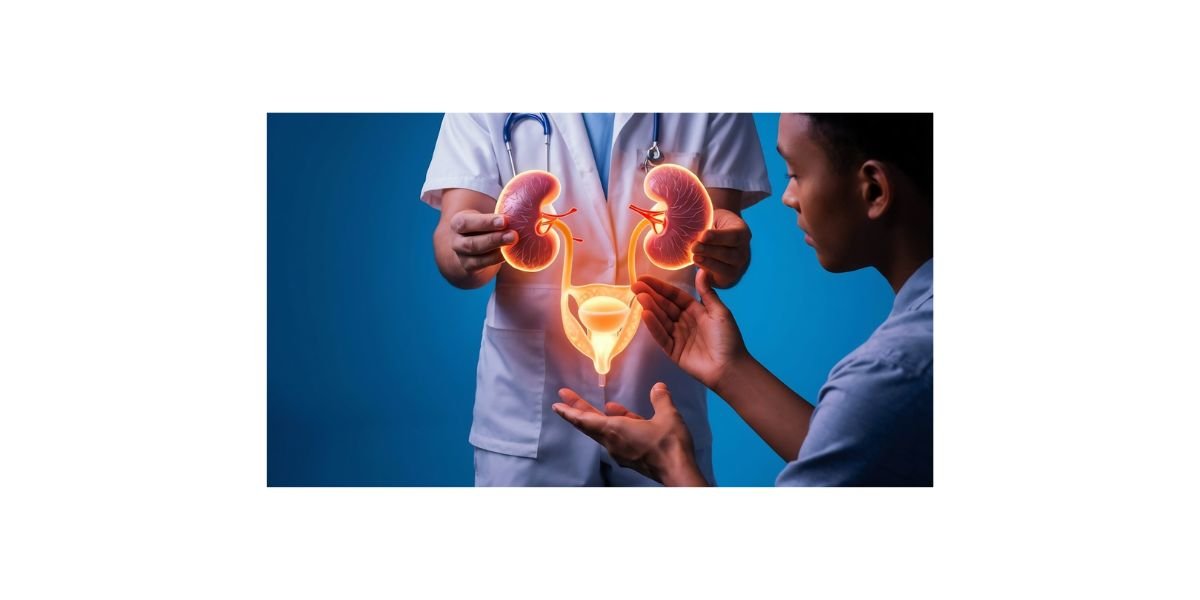
Urinary and genital symptoms in children can sometimes be difficult for parents to understand. Bedwetting, painful urination, frequent bathroom trips, changes in urine, or repeated urinary infections may have different causes. While some problems are temporary, persistent or unusual symptoms should be evaluated by a qualified specialist. Consulting a pediatric urologist in Chennai can help identify whether a child’s urinary or reproductive system needs further assessment and treatment.
What Symptoms Should You Discuss With a Urologist?
Parents should consider discussing persistent urinary, bladder, kidney, or genital concerns with a pediatric urology specialist. Symptoms can vary depending on the child’s age and the underlying condition, but certain signs deserve attention.
1. Pain or Burning While Urinating
Pain, burning, or discomfort during urination can be a sign of a urinary tract infection (UTI), irritation, or another urinary problem.
Children may not always describe the sensation clearly. A younger child may simply avoid going to the bathroom, cry while urinating, or become unusually irritable.
If painful urination continues or occurs along with fever, abdominal pain, vomiting, or changes in urine, medical evaluation is important.
2. Frequent Urination
Going to the bathroom more frequently than usual can have several causes. It may occur with a UTI, constipation, increased fluid intake, or certain medical conditions.
Parents should pay attention to whether frequent urination is accompanied by increased thirst, nighttime urination, pain, urgency, or changes in the child’s usual bathroom habits.
A healthcare professional can determine whether testing is necessary.
3. Blood in the Urine
Blood in the urine, known medically as hematuria, should be evaluated rather than ignored.
Urine may appear pink, red, or brown, although blood can sometimes only be detected through laboratory testing. Causes can range from urinary infections and kidney stones to inflammation or other urinary tract conditions.
The National Institute of Diabetes and Digestive and Kidney Diseases recommends medical evaluation when blood is noticed in a child’s urine.
4. Repeated Urinary Tract Infections
One UTI may happen occasionally, but repeated infections can sometimes indicate an underlying urinary tract problem.
Some children may experience fever, painful urination, urgency, frequent urination, abdominal or back pain, or changes in urine. Younger children may show less specific symptoms.
Repeated UTIs may require further evaluation to understand whether there is an anatomical or functional reason for the infections.
5. Difficulty Starting or Maintaining Urine Flow
A child who regularly struggles to start urinating, has a weak stream, stops and starts repeatedly, or takes an unusually long time in the bathroom may need an assessment.
These symptoms can sometimes be related to bladder function, urinary obstruction, constipation, or other conditions affecting the urinary system.
6. Urine Leakage During the Day
Occasional accidents can be part of normal development in younger children. However, persistent daytime wetting after toilet training may deserve medical attention.
Daytime urine leakage can be associated with bladder habits, constipation, urinary infections, overactive bladder, or other issues.
Rather than blaming or embarrassing the child, parents should discuss persistent wetting with a healthcare professional.
7. Bedwetting That Continues or Returns
Bedwetting, or nighttime urinary incontinence, is common among children and often improves as they grow. However, the pattern matters.
If a child who had remained dry at night for a significant period suddenly begins wetting the bed again, it may be worth discussing with a doctor. Constipation, urinary infection, stress, sleep-related factors, diabetes, and other conditions can sometimes contribute.
The American Academy of Pediatrics notes that children with nighttime wetting should be evaluated based on their individual symptoms and history.
8. Swelling or Pain in the Scrotum
Sudden scrotal pain or swelling requires prompt medical assessment. One possible cause is testicular torsion, in which the spermatic cord twists and can reduce blood flow to the testicle.
This is considered a medical emergency. Sudden severe testicular pain, swelling, nausea, or vomiting should not be managed at home.
Other causes of scrotal swelling may include infections, hernia, hydrocele, or varicocele, so proper examination is important.
9. Changes in the Appearance of the Genitals
Parents may notice concerns involving the penis, foreskin, testicles, or genital development.
Examples can include difficulty retracting the foreskin when appropriate for the child’s age, repeated inflammation, abnormal positioning of the urinary opening, undescended testicles, or unusual swelling.
Some conditions are present from birth, while others become noticeable as a child grows. Early evaluation can help determine whether observation or treatment is needed.
10. Persistent Abdominal, Side, or Back Pain
Pain in the lower abdomen, side, or back can have many causes. It does not always indicate a urinary problem, but persistent pain combined with urinary symptoms deserves attention.
Symptoms such as fever, vomiting, painful urination, blood in the urine, or changes in urine output may provide additional clues about the underlying problem.
When Should Parents Seek Urgent Care?
Some symptoms should be assessed quickly rather than waiting for a routine appointment.
Seek urgent medical attention if a child develops:
- Sudden severe testicular or scrotal pain
- Inability to urinate
- Blood in the urine with significant pain or illness
- Severe abdominal, side, or back pain
- High fever with urinary symptoms
- Significant swelling of the genital area
- Repeated vomiting with severe urinary or abdominal symptoms
The appropriate level of care depends on the child’s symptoms and overall condition.
What Happens During a Pediatric Urology Consultation?
A specialist usually begins by asking about the child’s symptoms, toilet habits, fluid intake, bowel movements, previous infections, medical history, and family history.
Depending on the situation, evaluation may include a physical examination, urine testing, blood tests, ultrasound, or other investigations. Not every child needs extensive testing. The choice depends on the symptoms and clinical findings.
Parents can make the consultation easier by keeping notes about when symptoms occur, how frequently the child urinates, previous UTIs, nighttime wetting, pain, and any changes in urine.
Why Is Early Evaluation Important?
Children may feel embarrassed about urinary or genital symptoms and may avoid talking about them. Creating a supportive environment can make it easier for them to explain what they are experiencing.
Early assessment can also help identify conditions that may benefit from treatment, monitoring, or changes in daily habits. It can prevent persistent symptoms from interfering with school, sleep, physical activity, and the child’s confidence.
For families seeking specialized pediatric urinary care, Kanchi Kamakoti CHILDS Trust Hospital offers pediatric surgery and urology services for children with a range of urinary and genital concerns.
Final Thoughts
Urinary and genital symptoms in children should not automatically be considered a normal part of growing up. Persistent pain, changes in urination, repeated UTIs, blood in the urine, bedwetting that returns, or genital swelling can all be reasons to seek professional advice.
Parents can help by listening without embarrassment or blame and by keeping track of symptoms. A timely consultation with an appropriate specialist can help determine the cause and whether further evaluation or treatment is needed.