Your home’s exterior faces dirt, dust, pollen, rain, mud, and changing weather all year. Over time, these materials can settle on siding, walkways, patios, and other outdoor surfaces. The buildup may start as a small change in color but can eventually make the entire property look dull and neglected.
Regular outdoor maintenance can help, but some surfaces need more than a garden hose or basic household cleaning. A deeper wash can remove buildup that routine cleaning leaves behind and help restore a cleaner appearance. Knowing when your home needs this level of care can make exterior maintenance easier to plan.
Look for Changes in Surface Color
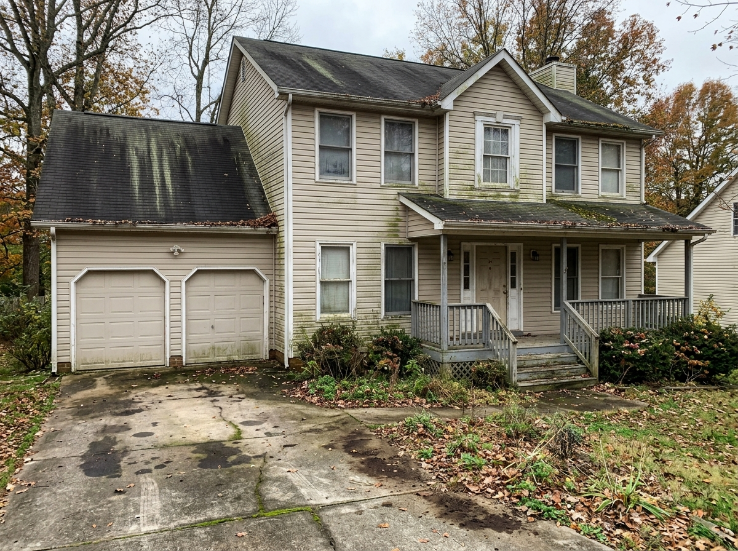
One of the easiest signs is a visible change in color. Light siding may develop gray or green areas, while concrete can become darker in places that receive frequent foot traffic. Outdoor surfaces can also collect a layer of dust that makes them look older than they really are.
Color changes do not always mean the material is damaged. In many cases, the surface is simply covered with dirt or organic buildup. A professional cleaning can help determine whether the problem is surface contamination or a deeper issue that needs different attention.
Pay Attention to High-Traffic Areas
Some parts of a property naturally collect more dirt than others. Entry paths, garage approaches, patios, steps, and areas close to driveways often show buildup first. Frequent use pushes soil onto these surfaces, while rain can spread dirt into cracks and textured areas.
Checking these locations regularly can help you spot problems before they become severe. When heavily used areas are cleaned as part of a routine maintenance schedule, the rest of the property can also maintain a more consistent appearance.
Exterior Walls Need Regular Attention Too
Siding can collect airborne dust, pollen, mud, and organic material. Shaded sides of the house may stay damp for longer periods, creating conditions where green growth or other buildup becomes more noticeable.
The cleaning method should match the material. Vinyl siding, painted surfaces, masonry, and other exterior materials can respond differently to water pressure. Excessive force may damage a surface even when the goal is simply to remove dirt.
For homeowners looking for residential pressure washing, choosing an approach suited to the home’s exterior can help improve results while reducing the risk of unnecessary surface damage.
Do Not Wait for Heavy Buildup
Many homeowners wait until their property looks extremely dirty before arranging a deeper clean. By that point, buildup may have spread across several surfaces and become harder to remove.
Regular maintenance can be easier than occasional heavy cleaning. A planned schedule allows common problem areas to be addressed before dirt becomes deeply embedded. The right frequency depends on local weather, shade, landscaping, surface type, and how much the property is used.
Check Patios, Walkways, and Steps
Horizontal surfaces often collect more dirt because rainwater, leaves, soil, and foot traffic can all leave material behind. Uneven surfaces can hold even more buildup in joints, seams, and textured areas.
Steps and walkways deserve special attention because they are used frequently. Keeping them clean can improve the appearance of the property and make it easier to spot underlying problems such as cracks, loose material, or damaged joints.
Concrete and pavers should not always be treated the same way. Their construction, age, and surface condition should be considered before a cleaning method is selected.
Be Careful Around Painted and Delicate Surfaces
Strong water pressure is not automatically better. Too much pressure can remove paint, damage softer materials, or force water into areas where it should not go.
A careful cleaning process considers distance, pressure, spray pattern, and the condition of the surface. Older materials may require more caution than newer ones. Areas around windows, trim, seals, electrical components, and exterior fixtures also need controlled cleaning.
Professional exterior cleaning is most effective when it removes contamination without creating a new repair problem.
Watch for Organic Growth
Green or dark patches may appear on siding, concrete, fences, and other outdoor surfaces. In damp or shaded areas, these conditions can become more noticeable because the surface stays wet for longer periods.
Removing visible growth is only part of the process. The surrounding conditions should also be considered. Poor drainage, heavy shade, standing moisture, and nearby vegetation can all contribute to recurring buildup.
A maintenance plan should therefore address both cleaning and the conditions that allow the surface to become dirty again.
Prepare Your Property Before Cleaning
A small amount of preparation can make exterior cleaning safer and more efficient. Move loose outdoor furniture, toys, decorations, and lightweight items away from the areas being cleaned. Close windows and make sure doors are secured.
It is also helpful to identify surfaces that need special attention. Old paint, loose caulking, cracked masonry, or fragile decorations should be pointed out before work begins.
This allows the cleaning approach to be adjusted where needed instead of using one method across every part of the property.
Why DIY Cleaning Can Give Uneven Results
Consumer pressure washers can be useful for certain simple tasks, but technique matters just as much as equipment. Holding a nozzle too close to a surface can cause damage, while using insufficient pressure may leave heavy buildup behind.
Cleaning solutions can also affect the outcome. The wrong product may discolor a material or leave residue that attracts more dirt. Understanding the surface before cleaning is therefore an important part of getting a consistent result.
For larger homes or multiple exterior surfaces, professional equipment and proper technique can make the process more controlled.
Build Exterior Cleaning Into Home Maintenance
Exterior cleaning should be treated as part of normal property care rather than only a cosmetic project. Clean surfaces make it easier to identify cracks, stains, loose materials, or areas where moisture may be collecting.
A seasonal inspection can help homeowners decide what needs attention first. Spring and fall are often useful times to check outdoor surfaces, especially after periods of heavy rain, pollen, or changing weather.
The exact schedule should depend on how quickly the property becomes dirty rather than following a fixed calendar without considering local conditions.
Final Thoughts
A cleaner exterior can improve the appearance of a home while making routine maintenance easier. The important part is choosing the right cleaning method for each surface and addressing buildup before it becomes difficult to manage.
Exterior cleaning also relates to surface preparation, which is the process of preparing a material before further treatment or maintenance. Understanding the surface first helps ensure that cleaning removes unwanted buildup without causing avoidable damage.