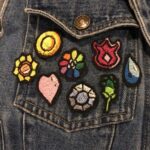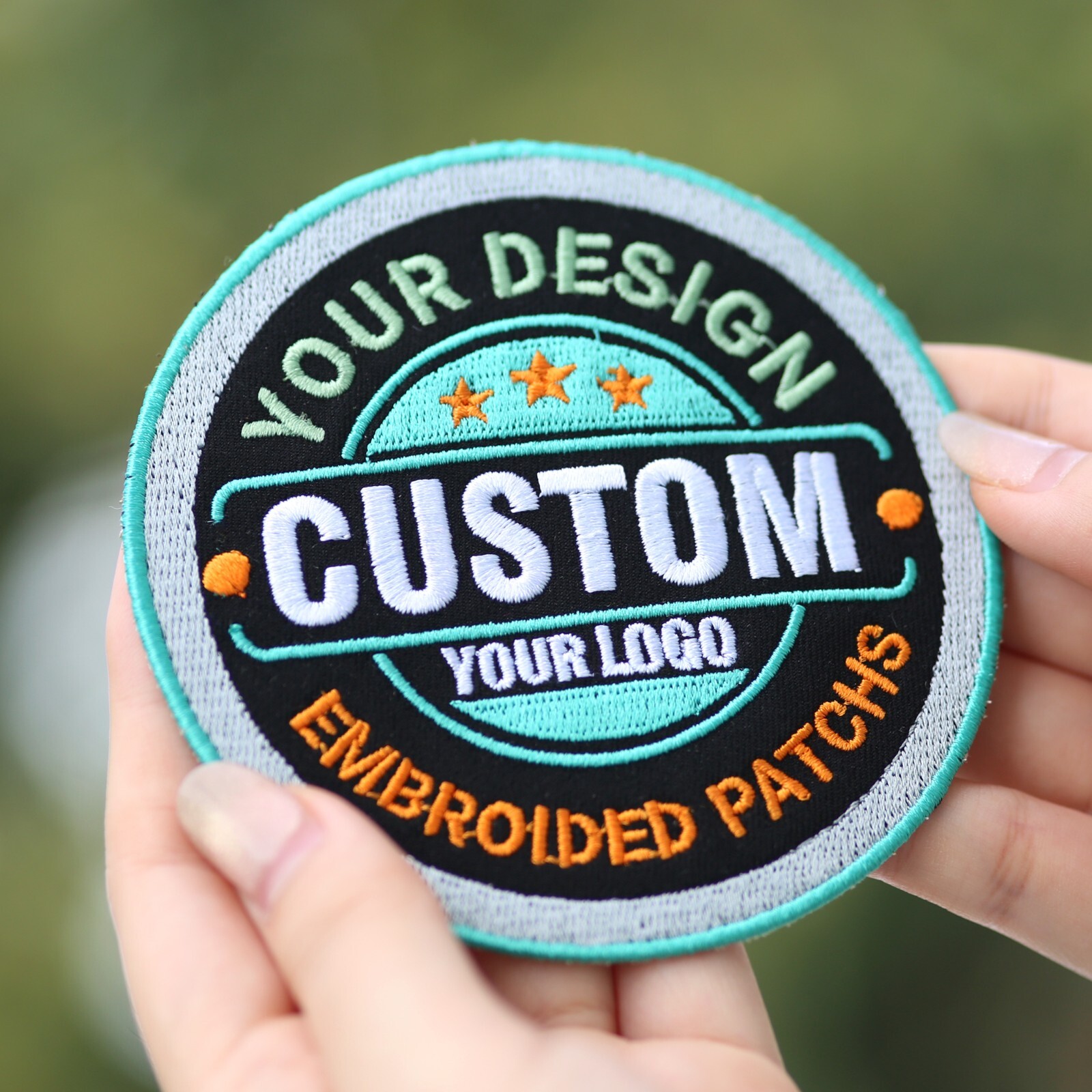
Patches used to be something you only saw on old military jackets or boy scout sashes. Not anymore. From streetwear labels to biker clubs, from sports teams to home-based Etsy sellers, custom patches have become one of the easiest ways to build a recognizable identity without spending a fortune on marketing.
The tricky part isn’t deciding to get patches made — it’s finding a reliable custom patch designer who can turn a rough idea into a finished product without a dozen back-and-forth emails and unpredictable pricing.
This guide breaks down what to look for, how the process actually works, and how to avoid the common mistakes that cost people time and money.
What Does a Custom Patch Designer Online Actually Do?
A good online patch designer does more than just stitch a logo onto fabric. Their job covers the entire creative and technical pipeline:
- Turning a sketch, logo, or text idea into a digitized embroidery file
- Recommending the right patch type (embroidered, woven, PVC, leather, chenille, etc.) based on the design
- Advising on thread count, colors, and backing options that match your budget
- Producing a digital proof before anything goes into production
- Handling small-batch or bulk orders depending on your needs
Because most of this now happens through online design tools and proofing systems, you don’t need to visit a factory in person or live near a manufacturer to get professional results.
Why Go Digital Instead of a Local Shop?
A few years ago, finding a patch maker meant calling around local embroidery shops and hoping one of them had capacity. Today, working with an online designer has real advantages:
1. Faster turnaround — Digital proofs mean you approve a design in hours, not days.
2. Wider material options — Local shops are often limited to twill and basic thread. Online providers typically offer embroidered, woven, PVC, leather, chenille, and metallic thread patches side by side.
3. Transparent pricing — Since everything is quoted based on size, thread density, and quantity upfront, there are fewer surprise costs.
4. No minimum order pressure — Many online designers accommodate small runs, which is ideal for startups or personal projects testing an idea before committing to bulk quantities.
How the Design-to-Delivery Process Works
If you’ve never ordered custom patches before, the process is simpler than it looks:
- Submit your idea — Upload a logo, sketch, or even just describe what you want.
- Get a digital mockup — A designer converts your concept into a patch-ready design, showing colors, size, and backing.
- Request revisions — Adjust colors, size, or stitching detail until it matches your vision.
- Approve and produce — Once approved, the file goes into production.
- Receive and apply — Most patches ship with iron-on, sew-on, or Velcro backing, ready to attach.
Sites like Rush Patch run this entire workflow online, which is a good example of what a modern custom patch online experience should look like — from initial concept through to a finished, wearable product.
Common Mistakes to Avoid When Designing Patches Online
- Overcomplicating the design. Too many colors or fine details can get lost in embroidery. Simpler logos usually translate better into stitched form.
- Ignoring size proportions. A design that looks great as a 2-inch digital mockup may lose detail when shrunk for a small patch.
- Skipping the digital proof stage. Always review a proof before bulk production — it’s the cheapest way to catch mistakes.
- Choosing backing type as an afterthought. Iron-on is great for retail products, but Velcro is better for uniforms or gear that needs to be swapped often.
Understanding these factors also affects pricing, since size, thread complexity, and backing type are the biggest variables in what a patch ends up costing.
Who Actually Uses Custom Patch Designers Online?
- Clothing brands adding a signature patch to jackets or hats
- Motorcycle clubs needing durable, weatherproof patches
- Sports teams and schools ordering matching badges in bulk
- Businesses creating branded merchandise for staff or promotions
- Individuals designing one-off patches for gifts or personal projects
The flexibility of online design tools means the barrier to entry that used to exist — minimum order quantities, high setup fees, long lead times — has mostly disappeared.
Final Thoughts
Choosing a custom patch designer online isn’t just about finding someone who can stitch a logo — it’s about finding a process that’s transparent, fast, and flexible enough to match your project, whether that’s five patches or five thousand. Looking at a digital proof, comparing material options, and understanding how pricing works before you commit will save both time and money in the long run.