Introduction
Industrial facilities play an important role in manufacturing, storage, distribution, and production. These large buildings often operate every day and handle valuable equipment, products, and raw materials. Because of their size and constant activity, they can easily attract pests if proper prevention measures are not in place.
Industrial Pest Control helps businesses protect their facilities from insects, rodents, and other unwanted pests that may damage products, contaminate inventory, or interrupt daily operations. A well-planned pest management program keeps facilities clean, improves workplace safety, and supports long-term business success.
Why Industrial Facilities Attract Pests
Warehouses, factories, storage buildings, and production plants provide many places where pests can hide. Large loading docks, open doors, storage racks, and utility areas create opportunities for insects and rodents to enter.
Food particles, standing water, cardboard boxes, wooden pallets, and cluttered storage areas also attract pests. Once inside, they can spread quickly because industrial buildings often contain thousands of square feet of hidden spaces.
Regular inspections help identify these risks before they develop into serious infestations.
Common Pests Found in Industrial Buildings
Many industrial facilities experience similar pest problems throughout the year.
Rodents often enter through loading areas and small structural openings. They can damage electrical wiring, insulation, packaging, and stored materials.
Cockroaches prefer warm and dark areas where moisture is available. Flies may become a concern near waste disposal areas, while ants search for food sources inside employee break rooms and storage spaces.
Birds may also create problems around rooftops, loading bays, and exterior structures by leaving droppings that affect cleanliness and safety.
Understanding these common pests helps facility managers respond quickly before operations are disrupted.
Protecting Equipment and Inventory
Industrial businesses invest significant resources in machinery, products, and storage systems. Pest activity can lead to damaged packaging, contaminated inventory, and expensive equipment repairs.
Rodents may chew electrical cables and insulation, increasing the risk of equipment failure. Insects can contaminate stored goods, while nesting materials may block ventilation systems or mechanical equipment.
Routine inspections help identify hidden pest activity before valuable assets are affected.
Protecting inventory also helps businesses avoid unnecessary financial losses and maintain customer confidence.
Maintaining Workplace Safety
A safe workplace benefits both employees and visitors. Pest infestations can create health concerns by spreading bacteria, contaminating work areas, and increasing the risk of accidents.
For example, bird droppings may create slippery surfaces, while rodents can damage electrical systems that present safety hazards.
Maintaining clean working conditions through proper pest management supports employee well-being and creates a healthier work environment for everyone.
A proactive approach also helps reduce unexpected disruptions that affect productivity.
Lessons from Residential Pest Control
Although industrial facilities are much larger than homes, some prevention methods used in Residential Pest Control are equally effective.
Keeping buildings clean, repairing water leaks, sealing entry points, and reducing clutter all help discourage pest activity.
Regular inspections are another important practice. Identifying problems early prevents pests from spreading into larger areas of the facility.
Small preventive actions performed consistently often provide better results than waiting until infestations become severe.
The Importance of Commercial Pest Control Strategies
Many businesses already understand the value of Commercial Pest Control because customer satisfaction depends on maintaining clean and professional environments.
Industrial facilities can benefit from similar preventive strategies, including scheduled inspections, monitoring programs, sanitation improvements, and employee awareness.
Creating a structured pest management plan allows businesses to monitor high-risk areas and respond quickly if activity is detected.
This organized approach reduces operational interruptions while protecting valuable products and equipment.
Preventing Future Infestations
Long-term prevention requires more than occasional treatments.
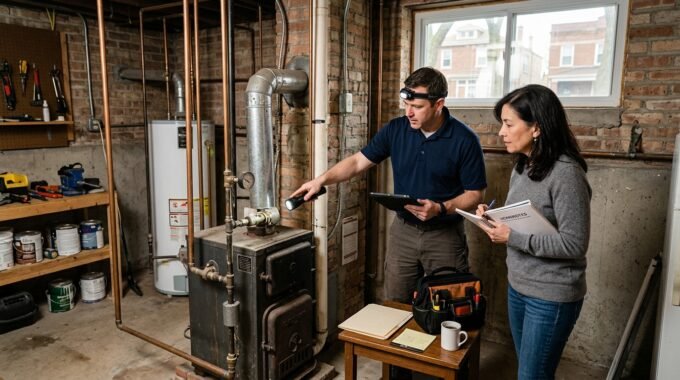
Facility managers should inspect buildings regularly for structural damage, open gaps, leaking pipes, and poor drainage. Doors should close properly, loading docks should remain clean, and storage areas should stay organized.
Waste should be removed frequently, and food should never be left exposed in employee break rooms.
Outdoor maintenance is also important. Keeping vegetation trimmed away from buildings and removing standing water helps reduce pest activity before it reaches the facility.
These preventive habits support continuous protection throughout the year.
Benefits of Professional Pest Management
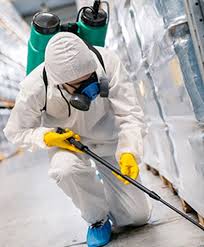
Professional technicians understand how pests behave in large industrial environments. They know where pests hide, how they enter facilities, and which treatment methods provide the best long-term results.
Instead of applying temporary solutions, professionals create customized management plans based on the building layout, operational needs, and level of pest activity.
Detailed inspections, monitoring systems, and follow-up visits help ensure that problems remain under control.
Professional guidance also helps businesses improve sanitation practices and reduce future risks.
Choosing the Right Pest Management Partner
Every industrial facility has different requirements. Choosing an experienced pest management provider is essential for achieving consistent results.
A reliable company performs detailed inspections, explains findings clearly, and develops customized treatment plans that match the facility’s operations.
Ongoing communication and scheduled monitoring help maintain long-term protection while minimizing disruption to daily business activities.
Businesses that invest in preventive pest management often experience fewer emergency situations and lower repair costs over time.
Frequently Asked Questions
Why do industrial buildings experience pest problems?
Large buildings provide shelter, food, moisture, and many hidden spaces where pests can live and reproduce if preventive measures are not maintained.
How often should industrial facilities receive pest inspections?
Inspection schedules depend on the type of business, but many facilities benefit from routine inspections throughout the year to identify problems early.
Can pests damage industrial equipment?
Yes. Rodents may chew wiring and insulation, while insects and nesting materials can interfere with machinery and stored products.
What is the best way to prevent industrial pest infestations?
Regular inspections, good sanitation, structural maintenance, moisture control, and professional monitoring programs all contribute to effective prevention.
Why should businesses hire professional pest management services?
Professionals provide customized solutions, identify hidden pest activity, monitor facilities regularly, and help prevent costly infestations before they affect operations.
Conclusion
Keeping industrial facilities free from pests requires planning, regular inspections, and consistent preventive maintenance. Clean working environments, organized storage, and early detection all help reduce risks while protecting employees, equipment, and inventory. A professional pest management program supports efficient operations and provides long-term protection against costly infestations. To learn more about dependable pest management solutions, visit Pest AI.