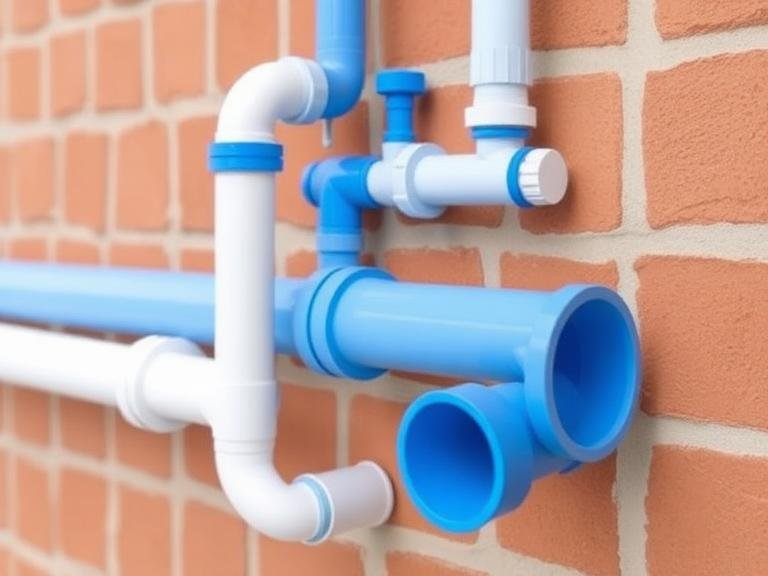
When it comes to modern construction, the integrity of a building often lies hidden behind its walls. The plumbing system is the literal lifeline of any structure, and choosing the right pprc pipes and fittings is the most critical decision a homeowner or engineer can make for long-term safety. In the past, builders relied on heavy metal pipes that were prone to rust, but the industry has evolved. Today, Polypropylene Random Copolymer (PPRC) has emerged as the global gold standard for both residential and industrial water distribution.
Understanding the PPRC Advantage
PPRC is a type of plastic pipe made from a unique blend of polypropylene copolymers. Unlike standard plastics, this material is specifically engineered to handle fluctuating temperatures and high pressure. This makes it an ideal candidate for hot and cold water applications.
The molecular structure of PPRC provides a high level of resistance to chemical strain and physical impact. For a country like Pakistan, where water quality can vary significantly between regions, having a piping system that does not react with minerals is a massive advantage.
Why PPRC is the Gold Standard for Hot and Cold Water
The primary reason PPRC has overtaken traditional materials is its versatility. It can handle boiling water temperatures and freezing conditions without losing its structural integrity.
1. Superior Thermal Insulation
PPRC pipes have a very low thermal conductivity. This means that when hot water travels through these pipes, it retains its temperature for much longer compared to metal pipes. This efficiency leads to lower energy bills because your water heater does not have to work as hard to maintain the desired temperature. Additionally, for cold water systems, the insulation properties prevent “sweating” or condensation on the pipe exterior.
2. Corrosion and Scale Resistance
One of the biggest headaches with Galvanized Iron (GI) pipes is internal rusting and scaling. Over time, rust narrows the diameter of the pipe, reducing water pressure and eventually causing leaks. PPRC is entirely rust-proof. Its smooth internal surface prevents the buildup of limescale, ensuring that your water pressure remains constant for decades.
3. Leak-Proof Joints Through Heat Fusion
In traditional plumbing, joints are the weakest point. They usually rely on threads or chemical glues that can degrade over time. PPRC uses a process called heat fusion. By using a specialized welding tool, the pipe and the fitting are melted together to create a single, continuous piece of plastic. This bond is physically stronger than the pipe itself, making the system virtually leak-proof.
Safety First: Hygiene and Non-Toxicity
When we talk about water, safety is non-negotiable. Many older piping materials can leach harmful chemicals or heavy metals into the drinking water supply. PPRC is a food-grade material that is non-toxic and ecologically friendly.
-
No Heavy Metals: PPRC does not contain lead or other toxic additives.
-
Bacterial Resistance: The smooth inner walls prevent the growth of biofilm and bacteria.
-
Taste and Odor: It does not change the taste or smell of the water passing through it.
For families, this means the water coming out of the kitchen tap is as pure as it was at the source. For hospitals and laboratories, this hygiene factor is often the primary reason for choosing PPRC over any other material.
The Long-Term Economics of PPRC
While some may look at the initial cost of high-quality plumbing, the real value is found in the lifespan of the product. A properly installed PPRC system can last for over 50 years with zero maintenance.
When you factor in the costs of repairing water damage from a burst pipe or the price of replacing a rusted GI system every ten years, PPRC is the most cost-effective solution on the market. It is lightweight, which reduces transportation costs, and the installation process is much faster than threading metal pipes, which saves on labor charges.
Installation Best Practices for Maximum Durability
To get the most out of your plumbing, the installation must be handled with precision. Even the best materials can fail if the welding process is rushed.
-
Cleanliness: Both the pipe end and the fitting socket must be cleaned before heating.
-
Heating Time: Each diameter of pipe has a specific heating time. Under-heating causes weak bonds, while over-heating can block the internal flow.
-
Alignment: Once the pieces are joined, they must be held firmly without twisting to ensure a perfect seal.
Professional contractors always prefer working with brands like Adamjee DuraBuilt because the consistency in pipe thickness makes the welding process predictable and secure.
Choosing the Right Partner in Pakistan
The plumbing market is flooded with various options, but not all products are created equal. While many pvc pipe manufacturers in pakistan focus on standard drainage and sewerage solutions, the technical requirements for pressurized hot water systems are much higher.
Adamjee DuraBuilt has distinguished itself by adhering to international DIN and ISO standards. By choosing a manufacturer that prioritizes 100% tax compliance and rigorous quality testing, you are not just buying plastic; you are buying peace of mind. Our PPRC systems are designed to withstand the unique environmental challenges of the region, from the intense summer heat to the varying water chemistry found in different cities.
Conclusion: A Future-Proof Investment
Choosing PPRC for your hot and cold water systems is an investment in your property’s future. It eliminates the risks of leaks, ensures the health of your family by providing clean water, and offers unmatched thermal efficiency. Whether you are an architect designing a high-rise or a homeowner building your dream residence, the durability of pprc pipes and fittings ensures that your infrastructure remains solid for generations.
Frequently Asked Questions (FAQs)
1. Can PPRC pipes be used for outdoor installations?
PPRC pipes are primarily designed for indoor or concealed use. If they are installed outdoors, they should be protected from direct sunlight or UV rays using insulation or UV-resistant paint to prevent the material from becoming brittle over time.
2. What is the maximum temperature a PPRC pipe can handle?
Most high-quality PPRC pipes can handle constant temperatures up to 70 degrees Celsius and can withstand short-term spikes of up to 95 degrees Celsius, making them perfect for domestic geyser systems.
3. Is PPRC better than CPVC for hot water?
While both are good, PPRC is often preferred because of its fusion-welded joints, which are stronger than the chemical solvent joints used in CPVC. PPRC also tends to have better impact resistance and a longer lifespan in high-pressure environments.
4. How do I know if the PPRC pipe is of good quality?
Look for clear branding, wall thickness consistency, and compliance with international standards like DIN 8077/8078. Quality pipes will have a smooth internal finish and should not have a pungent chemical smell.
5. Do PPRC pipes require any maintenance?
Once installed correctly, a PPRC system is virtually maintenance-free. Because it does not rust or scale, there is no need for internal cleaning or chemical treatments, unlike metal piping systems.