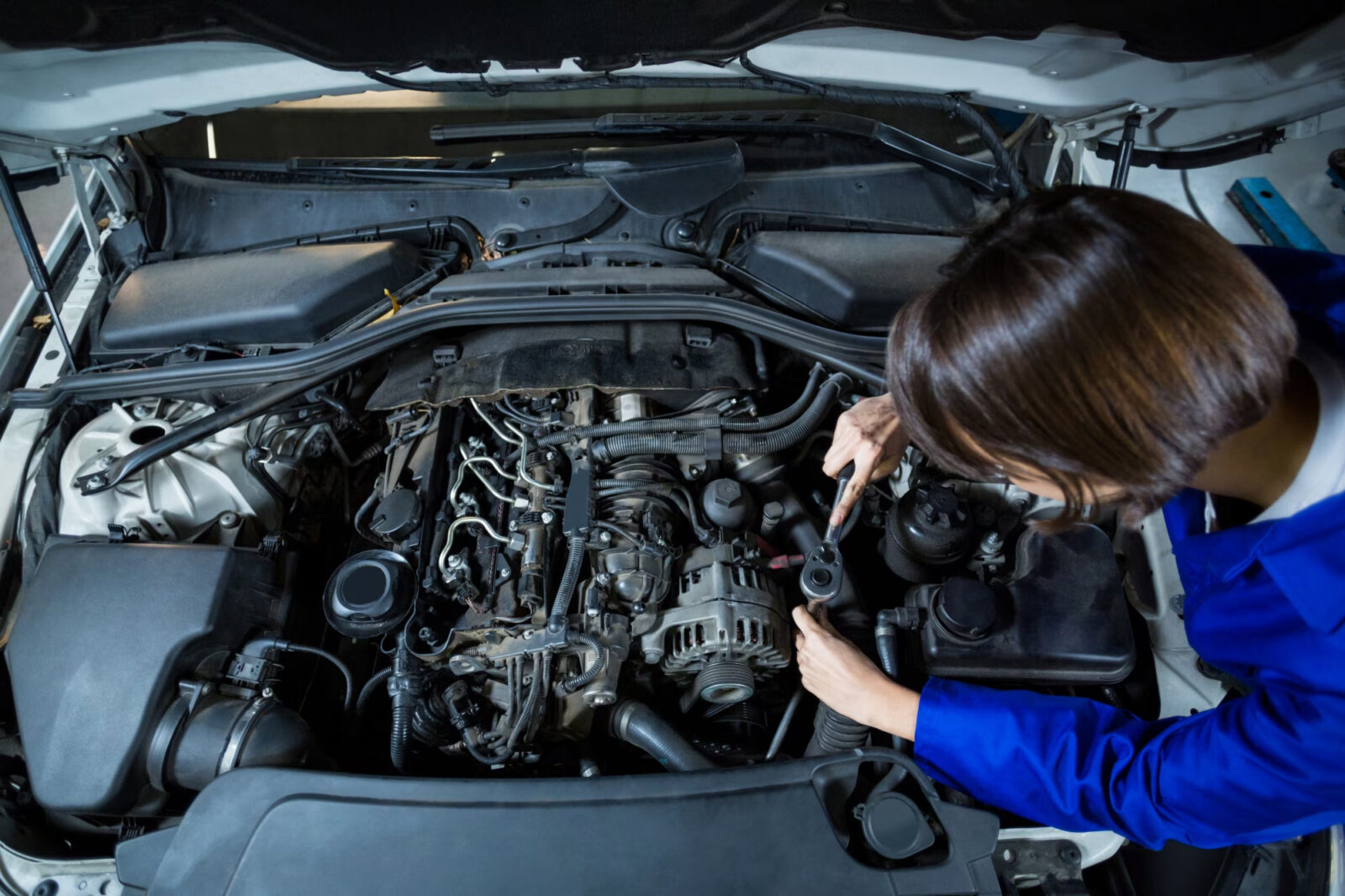
An overheating engine is often caused by low coolant levels, a faulty thermostat, a damaged radiator, or cooling system leaks. Identifying these issues early can help prevent serious engine damage and costly repairs. While some basic checks can be performed at home, persistent overheating may require professional car engine repair to restore proper performance. If the problem continues, trusted car repair shops can diagnose the root cause, carry out necessary repairs, and ensure your vehicle remains safe and reliable on the road.
Common Causes of Engine Overheating
Several factors can contribute to engine overheating. One of the most common causes is a low coolant level. Coolant plays a vital role in regulating engine temperature by absorbing excess heat and transferring it away from critical engine components. If coolant levels drop due to leaks or inadequate maintenance, the engine may begin to overheat.
A faulty thermostat is another frequent culprit. The thermostat controls the flow of coolant through the engine and radiator. If it becomes stuck in the closed position, coolant cannot circulate properly, causing heat to build up rapidly.
Radiator problems can also lead to overheating. Dirt, debris, or internal corrosion may restrict coolant flow and reduce the radiator’s ability to dissipate heat. Likewise, a damaged radiator fan may prevent adequate airflow through the radiator, particularly when driving at low speeds or while idling.
Other potential causes include a worn water pump, damaged hoses, coolant leaks, a failing head gasket, or a blocked cooling system.
Warning Signs of an Overheating Engine
Recognizing the early warning signs of overheating can help you avoid costly car engine repair work. Some common symptoms include:
- A rising temperature gauge
- Steam coming from under the bonnet
- A burning smell
- Reduced engine performance
- Warning lights on the dashboard
- Coolant is leaking beneath the vehicle
If you notice any of these signs, pull over safely and turn off the engine as soon as possible. Continuing to drive an overheating vehicle can cause severe internal engine damage.
How to Fix Minor Overheating Problems Yourself
While some overheating issues require professional attention, there are several basic checks you can perform yourself.
Check the Coolant Level
Once the engine has cooled completely, inspect the coolant reservoir. If the coolant level is low, top it up with the manufacturer-recommended coolant mixture. Never remove the radiator cap while the engine is hot, as pressurized coolant can cause serious burns.
Inspect for Leaks
Look around the radiator, hoses, water pump, and coolant reservoir for visible signs of leaks. Cracked hoses, loose clamps, or damaged connections can often be identified during a visual inspection.
Clean the Radiator
Debris such as leaves, dirt, and insects can block airflow through the radiator. Carefully clean the radiator fins using compressed air or a gentle stream of water to improve cooling efficiency.
Check the Radiator Fan
Start the engine and allow it to reach operating temperature. Observe whether the radiator fan activates when the engine warms up. If the fan fails to operate, there may be an electrical issue, a faulty sensor, or a damaged fan motor.
Examine Engine Oil Levels
Low engine oil can increase friction and heat within the engine. Check the oil level using the dipstick and top up if necessary according to the manufacturer’s specifications.
When Professional Repairs Are Necessary
Although DIY troubleshooting can solve some cooling system issues, certain problems require professional diagnosis and repair. A blown head gasket, damaged water pump, internal coolant leak, or severe radiator blockage typically involves specialized tools and expertise.
If your vehicle continues to overheat after basic checks and maintenance, it is advisable to seek assistance from experienced technicians. Professional mechanics can perform pressure testing, cooling system inspections, and advanced diagnostics to accurately identify the source of the problem.
Many reputable car repair shops have the equipment needed to diagnose complex overheating issues before they cause extensive engine damage. Prompt repairs can often save thousands of dollars compared to the cost of replacing a severely damaged engine.
Preventing Future Overheating Problems
Routine maintenance is the best way to prevent engine overheating. Regularly check coolant levels, inspect hoses for wear, monitor the temperature gauge, and follow the manufacturer’s recommended service intervals. Cooling system flushes and inspections can also help identify potential issues before they become major repairs.
By paying attention to warning signs and addressing small problems early, you can protect your vehicle’s engine and avoid unexpected breakdowns.
Conclusion
Engine overheating is a problem that should always be taken seriously. While low coolant levels, blocked radiators, and minor cooling system faults can often be addressed at home, more serious issues may require professional car engine repair services. Knowing what causes overheating, recognizing the warning signs, and performing regular maintenance can help extend the life of your vehicle. When in doubt, consulting trusted car repair shops is the safest way to ensure your engine remains reliable and protected from costly damage.