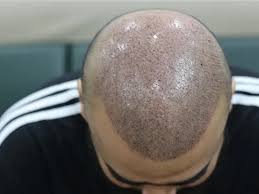
One of the most common questions people ask before undergoing the procedure is: Is hair transplant permanent? The short answer is yes — but with some important details to understand.
Hair transplant is considered a long-term and often permanent solution for hair loss. However, the final outcome depends on several factors, including the technique used, the quality of donor hair, and how well you maintain your hair after the procedure.
In this guide, we’ll explain how permanent hair transplant results really are and what you can expect over time.
How Does a Hair Transplant Work?
A hair transplant involves taking healthy hair follicles from a donor area (usually the back or sides of the scalp) and implanting them into bald or thinning areas.
The key reason this works is that donor hair is typically resistant to DHT (dihydrotestosterone), the hormone responsible for pattern baldness. Once transplanted, these follicles retain their resistance and continue to grow naturally in the new area.
Are Hair Transplant Results Truly Permanent?
Yes, transplanted hair is generally permanent because:
- The follicles are taken from genetically stable areas
- They continue to grow even after being relocated
- They are resistant to hair loss hormones
Once the transplanted hair starts growing (after 3–4 months), it behaves like your natural hair and can last a lifetime.
However, “permanent” does not mean your entire head will never lose hair again.
What About Existing Hair?
While transplanted hair is permanent, your existing non-transplanted hair may continue to thin over time.
This means:
- You may experience further hair loss in untreated areas
- Additional sessions may be needed in the future
- Maintenance treatments can help preserve existing hair
This is why doctors often recommend long-term planning rather than a one-time solution.
How Long Do Hair Transplant Results Last?
Hair transplant results can last a lifetime if:
- The procedure is done correctly
- You have strong donor hair
- You follow proper aftercare
Most patients enjoy visible results for decades, especially when the transplant is performed by experienced professionals.
Factors That Affect Permanence
Several factors influence how long your hair transplant results will last:
1. Donor Hair Quality
Healthy and dense donor hair leads to stronger, long-lasting results.
2. Surgeon’s Expertise
Proper graft extraction and placement ensure better survival and growth.
3. Technique Used
Modern methods like FUE and DHI improve graft survival and natural appearance.
4. Age and Hair Loss Pattern
Younger patients may continue to lose existing hair, requiring future planning.
5. Aftercare and Lifestyle
Good hair care, diet, and avoiding stress support long-term results.
Can Transplanted Hair Fall Out?
Yes, but only temporarily in the early stage.
After the procedure:
- Transplanted hair sheds within 2–4 weeks (shock loss)
- New hair starts growing after 3–4 months
- Permanent growth continues afterward
This shedding is normal and does not mean the transplant has failed.
Do You Need Maintenance After a Hair Transplant?
While transplanted hair is permanent, maintenance may still be required to protect existing hair.
Common recommendations include:
- Medications like Minoxidil or Finasteride
- PRP (Platelet-Rich Plasma) therapy
- Healthy diet and hair care routine
These treatments help slow down further hair loss and improve overall results.
Is One Session Enough?
In many cases, one session is enough for moderate hair loss. However:
- Severe baldness may require multiple sessions
- Additional procedures may improve density
- Long-term planning ensures better coverage
A professional consultation helps determine your long-term needs.
Common Myths About Hair Transplant Permanence
Myth 1: Hair Transplant Works Instantly
Reality: Results take 6–12 months to fully appear.
Myth 2: All Hair Will Be Permanent
Reality: Only transplanted hair is permanent, not existing hair.
Myth 3: No Maintenance is Needed
Reality: Maintenance helps preserve surrounding hair.
Advantages of Permanent Hair Transplant
- Natural-looking results
- Long-term solution for baldness
- No need for wigs or temporary fixes
- Improved confidence and appearance
These benefits make hair transplant one of the most reliable hair restoration options.
Final Thoughts
So, is hair transplant permanent? Yes — transplanted hair is designed to last a lifetime. However, maintaining overall hair health and managing future hair loss is equally important.
Understanding the difference between transplanted and existing hair helps set realistic expectations. By choosing an experienced surgeon and following proper care, you can enjoy natural, long-lasting results for years to come.
If you’re considering a hair transplant, a professional consultation will help you plan the best approach for permanent and satisfying outcomes.