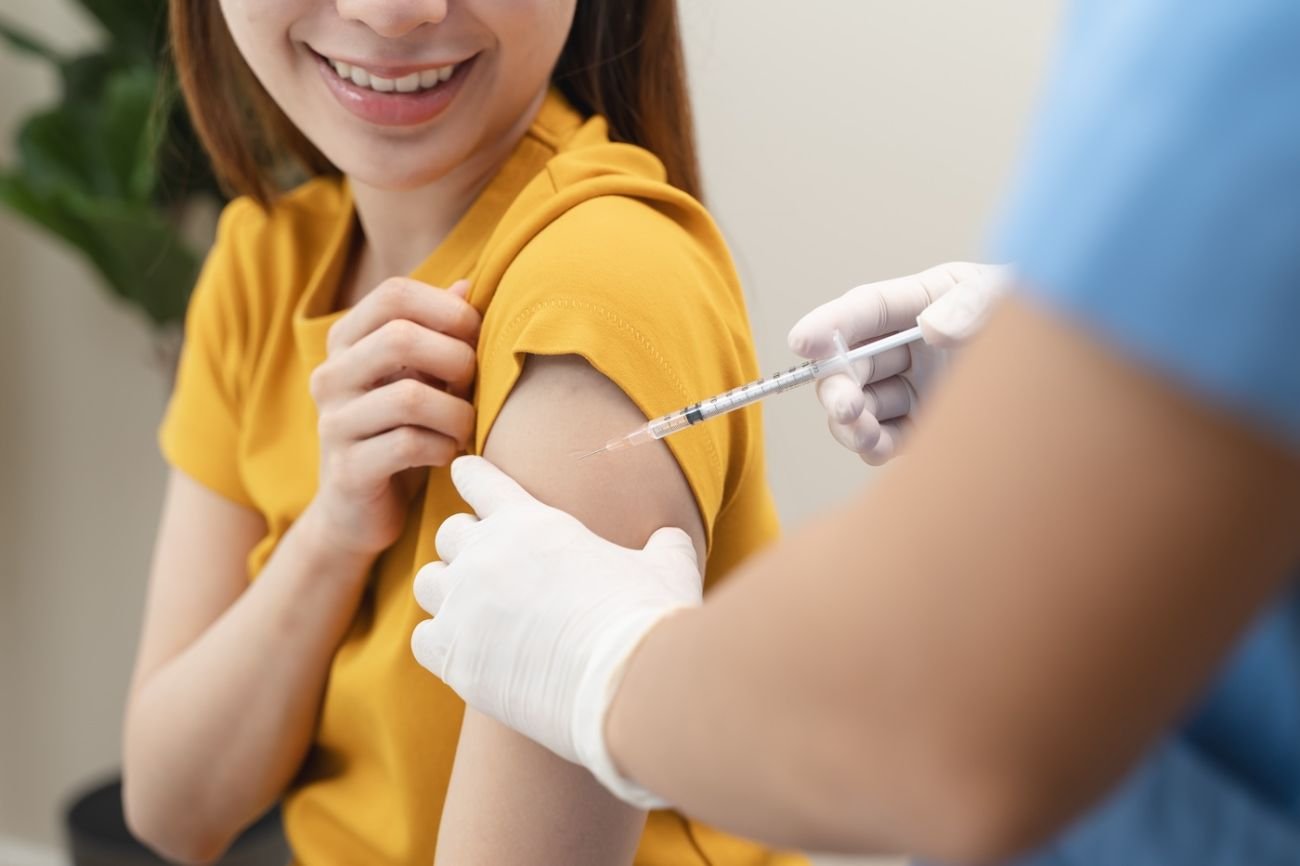
Cancer prevention begins with understanding health risks and taking appropriate steps to reduce them before serious conditions develop. Human Papillomavirus (HPV) is a common virus linked to several types of cancer, including cervical, anal, penile, vaginal, vulvar, and oropharyngeal cancers. The HPV vaccine helps protect against specific virus types responsible for many of these conditions. With convenient services such as HPV Vaccine at Home in Dubai, eligible individuals can access professional vaccination in a comfortable setting. A qualified healthcare professional or Doctor at Home can explain the vaccine’s benefits, assess eligibility, and guide patients through the recommended vaccination schedule.
Understanding Human Papillomavirus (HPV):
Human Papillomavirus refers to a group of more than 200 related viruses that can affect the skin and moist surfaces of the body, including the genital area, mouth, and throat. HPV is very common, and many infections do not cause noticeable symptoms. In most cases, the immune system clears the infection naturally. However, certain high-risk HPV types can persist and cause changes in normal cells over time. These changes may eventually develop into cancer if they are not detected and managed. Other HPV types are considered low-risk and can cause genital warts. Understanding the difference between high-risk and low-risk HPV types helps explain why vaccination is an important preventive measure.
How HPV Infection Can Lead to Cancer:
Cancer associated with HPV usually develops gradually rather than immediately after infection. When certain high-risk HPV types remain in the body, they can interfere with normal cell activity and cause abnormal changes in affected tissues. In the cervix, these changes may develop into precancerous lesions and, in some cases, progress to cervical cancer over several years. Persistent high-risk HPV infection can also contribute to cancers affecting the anus, penis, vagina, vulva, and oropharynx. Not every HPV infection leads to cancer, and most infections clear naturally. However, preventing persistent infections with cancer-associated HPV types is an important part of reducing long-term cancer risk.
How the HPV Vaccine Helps Prevent Cancer:
The HPV vaccine helps prevent cancer by training the immune system to recognize specific HPV types before they cause infection. It contains virus-like particles that stimulate an immune response without containing live HPV, so it cannot cause an HPV infection. When a vaccinated person is exposed to a covered HPV type, the immune system can respond more effectively and reduce the likelihood of infection. Preventing these infections also reduces the risk of developing related precancerous changes and cancers. The vaccine works best when administered before exposure to HPV, which is why routine vaccination is recommended during early adolescence. It is preventive rather than therapeutic and cannot treat an existing infection or cancer.
Which Types of Cancer Can HPV Vaccination Help Prevent:
Certain high-risk HPV types are responsible for a significant proportion of HPV-related cancers. Vaccines protect against selected types associated with these diseases, although the exact coverage depends on the vaccine used. Vaccination can help reduce the risk of:
-
Cervical cancer: The strongest established connection between HPV infection and cancer.
-
Anal cancer: Certain persistent HPV infections can cause abnormal changes in anal cells.
-
Penile cancer: Some cases are associated with high-risk HPV types.
-
Vaginal and vulvar cancers: Persistent infection with certain HPV types can contribute to these conditions.
-
Oropharyngeal cancer: HPV can affect tissues at the back of the throat, including the tonsils and base of the tongue.
The vaccine does not prevent every cancer or cover every HPV type, but it offers important protection against several major cancer-causing types.
Why Early HPV Vaccination Is Important:
HPV vaccination provides the strongest protection when given before a person is exposed to the virus. Routine vaccination is generally recommended at ages 11 to 12, although it can begin at age nine. Younger adolescents usually develop a strong immune response and can generally complete the series with two doses if they start before their 15th birthday and do not have certain immune system conditions. Individuals who begin at age 15 or older typically require three doses. Early vaccination is recommended for both boys and girls because HPV can cause cancers and other health conditions in people of all sexes. Completing the recommended schedule helps establish protection before potential exposure.
HPV Vaccine Benefits for Both Men and Women:
HPV vaccination is important for everyone because the virus can cause health conditions beyond cervical cancer. Girls and women benefit from protection against HPV types responsible for most cervical cancer cases, while boys and men can reduce their risk of certain anal, penile, and oropharyngeal cancers. Both sexes can also benefit from protection against HPV types that cause genital warts when those types are covered by the vaccine. Vaccinating boys and girls also contributes to reducing the circulation of vaccine-covered HPV types within communities. This shared approach makes HPV prevention a wider public health priority rather than a concern limited to women’s healthcare.
Is the HPV Vaccine Safe and Effective:
The HPV vaccine has been extensively studied and is used in vaccination programmes worldwide. It is highly effective at preventing infections and precancerous changes caused by the HPV types it covers, particularly when administered before exposure. Most side effects are mild and temporary, including pain, redness, or swelling at the injection site, headache, mild fever, and tiredness. Some individuals may feel dizzy or faint shortly after vaccination, so remaining seated for approximately 15 minutes after the injection can help reduce the risk of injury. Serious allergic reactions are rare. Anyone with a history of severe allergic reactions to a previous dose or vaccine component should inform the healthcare professional before vaccination.
Does HPV Vaccination Replace Cancer Screening:
HPV vaccination reduces the risk of several HPV-related cancers, but it does not eliminate the need for recommended screening. The vaccine does not cover every cancer-causing HPV type, and some individuals may have been exposed before receiving their doses. People with a cervix should continue following cervical screening recommendations based on their age, medical history, and local healthcare guidance. Screening can identify high-risk HPV infections and abnormal cervical cell changes before they develop into more serious conditions. Vaccination and screening have different roles: vaccination helps prevent selected infections, while screening identifies changes that may need medical evaluation. Using both measures provides a more comprehensive approach to cervical cancer prevention.
Who Should Consider HPV Vaccination:
HPV vaccination is routinely recommended for children around ages 11 to 12 and can begin at age nine. Catch-up vaccination is generally recommended through age 26 for people who have not completed the series. Adults aged 27 to 45 may also benefit in certain circumstances after discussing their individual situation with a healthcare professional. The potential benefit depends on factors such as previous vaccination, likely future exposure, and whether the individual may not have encountered all HPV types covered by the vaccine. A qualified healthcare professional can review medical history and vaccination records to determine eligibility and the appropriate dose schedule.
How to Access Professional HPV Vaccination at Home in Dubai:
Home vaccination can make preventive healthcare more convenient for eligible individuals and families. When considering HPV Vaccine at Home in Dubai, it is important to select a qualified provider that follows appropriate medical and vaccine-handling standards. Before arranging an appointment, patients should:
-
Confirm that a qualified healthcare professional will administer the vaccine.
-
Share medical history, allergies, and previous vaccination records.
-
Ask which HPV vaccine is available and which HPV types it covers.
-
Confirm that appropriate cold-chain storage and transportation procedures are followed.
-
Understand the recommended dose schedule and follow-up arrangements.
-
Request documentation of the vaccine name, dose, and administration date.
Professional assessment and proper vaccine handling help ensure that convenience does not compromise patient safety.
Final Thoughts
The HPV vaccine is an important cancer-prevention tool because it helps protect against specific HPV types responsible for several cancers. Vaccination before exposure provides the strongest protection, making early immunization valuable for both boys and girls. Adults who missed earlier vaccination may also have options depending on their age and circumstances. Although the vaccine cannot treat existing HPV infections or replace recommended cancer screening, it can significantly reduce the risk of several HPV-related diseases. With professional services such as HPV Vaccine at Home in Dubai, eligible individuals can explore convenient vaccination while receiving appropriate medical guidance and support for long-term preventive health.