Every development project begins with assumptions about the land beneath it. Those assumptions can be dangerously wrong without proper investigation. Site investigations replace assumptions with verified facts about subsurface conditions. They identify risks before they become expensive and disruptive surprises. This article explains how thorough site investigations protect future development projects from costly failures.
What Site Investigations Reveal About Development Sites
Site investigations provide critical information about subsurface conditions. Geological investigation reveals soil type, strength, and bearing capacity characteristics. Hydrogeological investigation characterizes groundwater depth, flow direction, and quality. Environmental investigation identifies contamination from past land use activities. Geotechnical investigation assesses foundation design parameters for proposed structures.
Understanding subsurface conditions fundamentally shapes development project design. Foundation systems must be designed for actual soil bearing capacities. Below-grade structures must account for actual groundwater levels and pressures. Environmental contamination must be managed before construction begins. Site investigation data is the foundation upon which successful development projects are designed.
The Consequences of Inadequate Site Investigation
Inadequate site investigation creates serious project risks. Foundation failures on poorly characterized soils cause catastrophic structural damage. Unexpected groundwater causes dewatering problems and schedule delays during construction. Undiscovered contamination triggers regulatory response and construction shutdowns. Each inadequate investigation scenario carries significant financial and reputational consequences.
Claims against developers for undisclosed site conditions are increasingly common. Buyers of developed properties discover conditions that should have been identified. Legal liability for inadequate investigation can persist for years after project completion. Insurance companies scrutinize site investigation records when evaluating development claims. Thorough site investigation protects developers against future liability claims from multiple directions.
Geotechnical Investigation Supporting Development Design
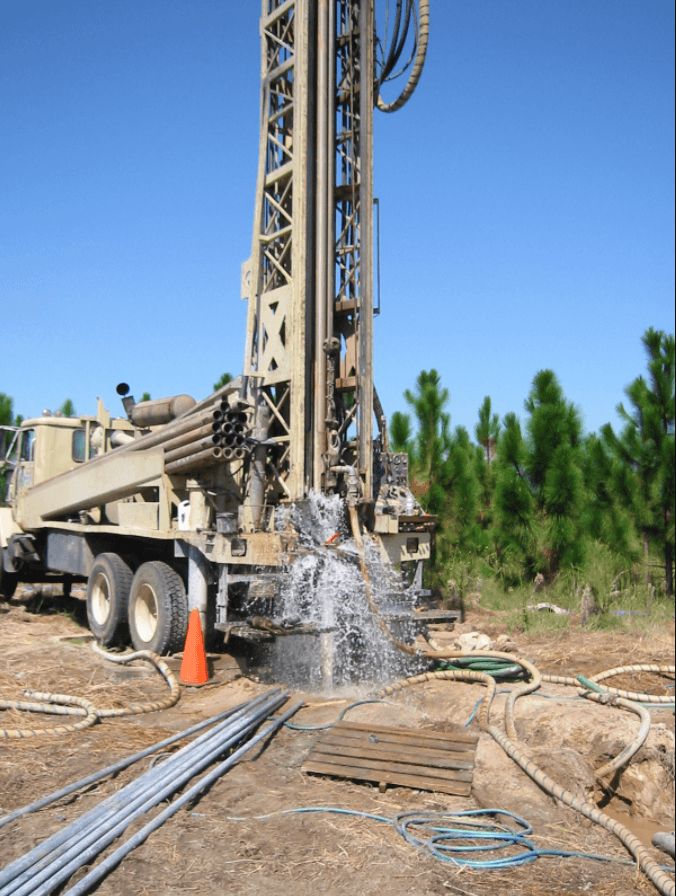
Geotechnical investigation characterizes the engineering properties of subsurface soils. Borehole drilling and sampling recover soil samples for laboratory testing. Laboratory tests measure soil strength, compressibility, and permeability parameters. These parameters directly inform foundation system selection and design. Skimping on geotechnical investigation creates foundation design uncertainty with serious consequences.
Settlement analysis requires accurate soil compressibility data from investigation. Structures built on compressible soils that were inadequately characterized will settle unevenly. Differential settlement causes structural cracking, door and window alignment problems, and utility failures. Accurate settlement analysis at design stage prevents these expensive post-construction problems. Comprehensive geotechnical investigation is the foundation of reliable settlement analysis.
Slope Stability Assessment on Challenging Sites
Development sites with slopes require careful geotechnical stability investigation. Slope failures during or after construction can be catastrophic and deadly. Investigation characterizes soil shear strength parameters that control slope stability. Groundwater conditions significantly affect slope stability calculations and outcomes. Geotechnical engineers use investigation data to design slopes that remain stable reliably.
Retaining wall designs depend on accurate subsurface characterization. Wall designs based on incorrect soil assumptions may be undersized for actual loads. Undersized retaining walls fail, potentially harming people and structures behind them. Thorough geotechnical investigation ensures retaining structures are appropriately designed. Protecting lives through proper investigation is both an ethical and legal obligation.
Environmental Site Investigation for Development Protection
Environmental investigations identify contamination hazards before development proceeds. Soil sampling and analysis detect petroleum hydrocarbons, heavy metals, and solvents. Groundwater sampling reveals whether contamination has entered the groundwater system. Soil vapour surveys assess volatile compound migration toward proposed building footprints. Environmental investigation data guides contamination management decisions before construction begins.
A phase 2 environmental site assessment is specifically designed to characterize site contamination. Sampling locations are strategically placed based on Phase I risk assessment findings. Laboratory analysis quantifies contamination concentrations against regulatory standards. Risk assessment evaluates whether contamination poses unacceptable health or ecological risks. Phase II findings provide the evidence base for remediation design and regulatory submissions.
Vapour Intrusion Investigation in Urban Development
Vapour intrusion is an increasingly recognized risk in urban brownfield development. Volatile contaminants in soil and groundwater migrate as vapors toward buildings. Buildings without effective vapour barriers can accumulate harmful indoor air concentrations. Site investigation must assess vapour intrusion risk before building design is finalized. Vapour barriers and sub-slab depressurization systems can manage intrusion risk effectively.
Vapour intrusion investigation involves sub-slab soil gas and indoor air sampling. Seasonal variations in building pressure affect vapour intrusion rates significantly. Summer and winter sampling captures worst-case indoor air conditions for risk assessment. Vapour investigation findings directly influence building design and construction specifications. Addressing vapour intrusion at design stage is far less expensive than post-construction remediation.
Hydrogeological Investigation for Water Management
Groundwater depth and conditions significantly affect below-grade construction. Underground parking structures, basements, and utilities are affected by groundwater. Hydrogeological investigation characterizes the groundwater table elevation and seasonal variation. Knowing actual groundwater conditions enables appropriate waterproofing system design. Waterproofing designed for observed conditions reliably protects below-grade structures.
Construction dewatering requirements depend on hydrogeological investigation findings. Sites with high groundwater tables require substantial dewatering during excavation. Dewatering system design uses hydrogeological data to select appropriate pump capacities. Improper dewatering causes ground settlement that damages adjacent structures and utilities. Thorough hydrogeological investigation protects construction activities and adjacent properties.
Groundwater Contamination and Development Planning
Contaminated groundwater on development sites creates ongoing management obligations. Groundwater contamination migrates beyond property boundaries and creates third-party liability. Dewatering during construction may require treatment of extracted contaminated groundwater. Regulatory agencies impose conditions on development where groundwater contamination is present. Hydrogeological investigation defines the extent and character of groundwater contamination clearly.
Long-term groundwater monitoring obligations may accompany development approvals for contaminated sites. Monitoring well networks installed during investigation can serve ongoing compliance needs. Investigation data guides monitoring network design for maximum effectiveness. Cost-effective monitoring programs provide the regulatory evidence needed for eventual site closure. Investing in thorough investigation supports long-term regulatory relationship management.
Desk Study and Historical Research as Investigation Foundations
Site investigation begins with comprehensive desk study and historical research. Reviewing historical maps, aerial photographs, and land use records is the critical first step. Building permits and regulatory inspection records reveal past facility activities. Environmental database searches identify nearby contaminated sites and regulated facilities. Historical research focuses physical investigation resources on the highest-risk areas.
Desk study often reveals information that dramatically changes investigation design. Discovering a former underground tank area directs investigation to that specific location. Historical aerial photographs showing a former waste disposal area prioritize intensive investigation there. Without historical research, investigation programs may miss critical contamination areas. Comprehensive desk study ensures physical investigation is targeted and cost-effective.
Integrating Site Investigation Into Development Project Planning
Site investigation timing should be integrated into overall project planning. Phased investigation allows early findings to guide subsequent investigation scope. Phase I is completed during preliminary project evaluation before significant investment occurs. Phase II investigation proceeds if Phase I identifies concerning historical conditions. Phased investigation manages investigation costs in proportion to identified risk level.
Investigation timelines must allow for regulatory review and response periods. Some contaminated sites require regulatory approval of investigation programs before work begins. Laboratory analysis turnaround times affect investigation program duration planning. Budget contingencies should account for scope expansion if initial findings reveal additional concerns. Integrating investigation realistically into project schedules prevents development timeline surprises.
The Return on Investment from Thorough Site Investigation
The financial return on thorough site investigation is consistently positive. Investigation costs represent a very small fraction of total development project budgets. The risks managed through investigation represent potentially enormous financial exposures. Risk-adjusted return analysis consistently justifies comprehensive site investigation investment. Developers who understand this calculation never compromise on investigation quality.
Lenders and equity investors reward thorough investigation with better financing terms. Reduced environmental uncertainty lowers perceived project risk for financial partners. Lower risk perception translates into better interest rates and capital availability. Strong investigation programs build investor confidence throughout project lifecycles. Site investigation is not an overhead cost but a genuine investment in project success.