Many homeowners take pride in maintaining a clean home and a healthy garden. However, certain pests can quickly become a nuisance when they begin invading outdoor and indoor spaces. Earwigs are among those pests that often cause concern for property owners. While they are generally not dangerous to humans, their presence can become frustrating when their numbers increase. Understanding Earwig Control is important for anyone looking to protect their home, landscaping, and garden from unwanted pest activity.
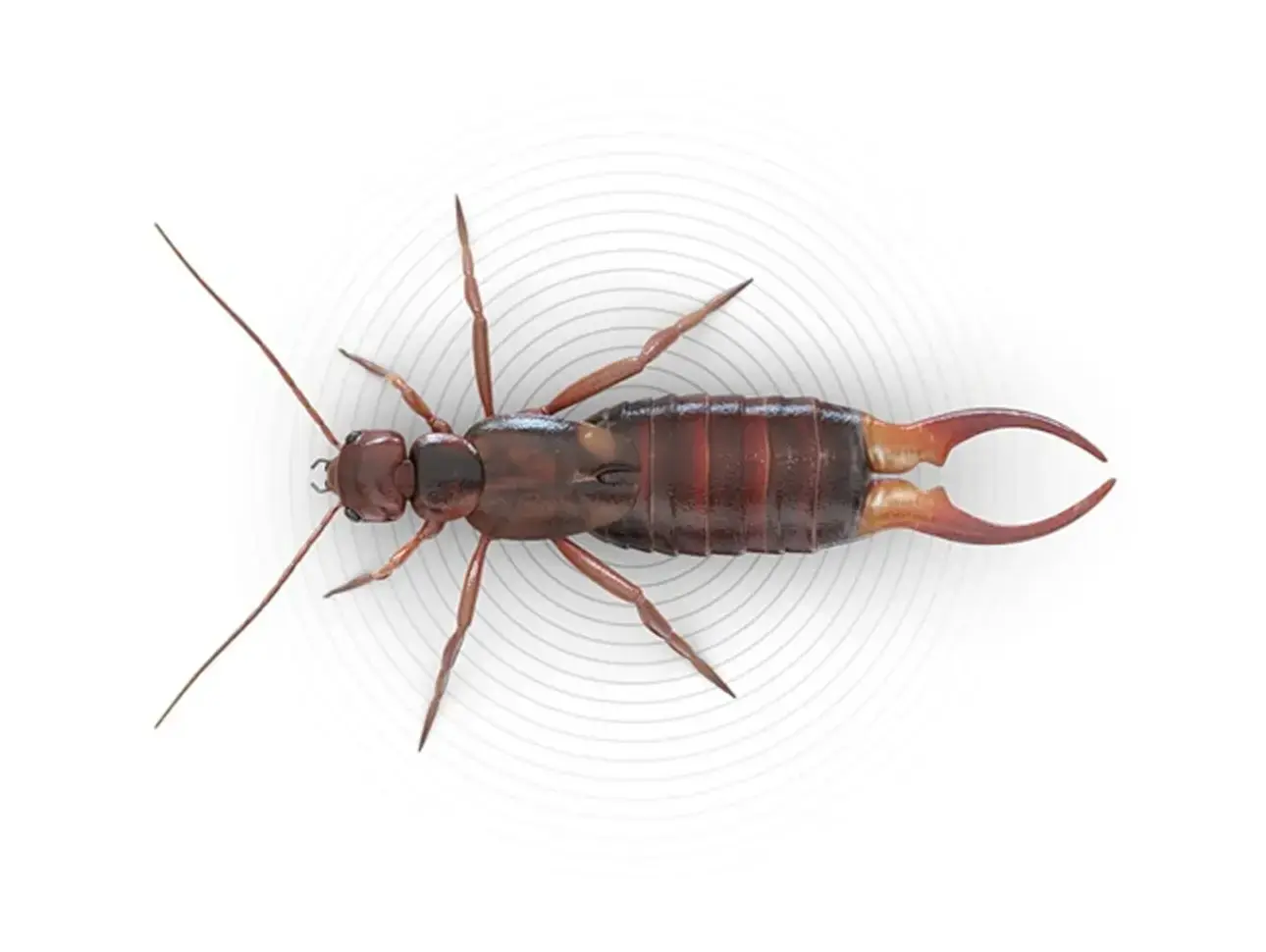
Earwigs are small insects recognized by the pincers located at the end of their bodies. These insects prefer dark and damp environments and are commonly found in gardens, flower beds, and areas with excess moisture. Although they play a role in nature by feeding on decaying organic matter and certain pests, large populations can create problems for homeowners. Learning how to identify, prevent, and manage these insects can help keep your property comfortable and pest free throughout the year.
Understanding Earwig Behavior
To effectively manage earwigs, it is important to understand their habits and preferred environments. Earwigs are primarily nocturnal insects, which means they are most active during the night. During the day, they hide in cool and moist locations where they can avoid sunlight and predators.
These pests are often found under rocks, mulch, wood piles, leaves, and garden debris. Moist soil and shaded areas provide ideal conditions for their survival. Homes with excessive moisture around foundations or landscaping may attract larger populations of earwigs.
Earwigs typically become more noticeable during warm seasons when environmental conditions support their growth and reproduction. Heavy rainfall and increased humidity often encourage them to seek shelter closer to homes and buildings.
Why Earwigs Enter Homes
Although earwigs prefer outdoor environments, they occasionally enter homes in search of moisture and shelter. Cracks around doors, windows, foundations, and utility openings provide easy access points. Once inside, they are commonly found in bathrooms, basements, laundry rooms, and crawl spaces.
Unlike some household pests, earwigs usually do not establish large indoor colonies. However, repeated sightings can indicate moisture problems or favorable conditions around the property. Damp basements, leaking pipes, and poor drainage systems often contribute to indoor pest activity.
Homeowners may also notice increased earwig presence after periods of heavy rain. Flooded outdoor hiding spots can force these insects to move indoors temporarily while searching for dry shelter.
Common Signs of an Earwig Infestation
Detecting earwig activity early can help prevent larger problems from developing. One of the most obvious signs is regularly finding earwigs around the home or garden. They are often discovered beneath flowerpots, stones, mulch, and outdoor furniture.
In gardens, earwigs may leave irregular holes in leaves, flowers, fruits, and vegetables. While minor feeding damage is not always serious, larger populations can affect the appearance and health of certain plants.
Indoor sightings are another warning sign. Finding multiple earwigs in bathrooms, kitchens, or basements may indicate that outdoor populations are increasing around the property. Homeowners may also discover earwigs hiding in damp storage areas, under boxes, or near plumbing fixtures.
Regular monitoring of both indoor and outdoor spaces can help identify pest activity before it becomes difficult to manage.
Problems Caused by Earwigs
Many people wonder whether earwigs are harmful. While these insects are not known to spread diseases or cause structural damage, they can still create several concerns.
In gardens, earwigs sometimes feed on tender plant material. Flowers, vegetables, herbs, and young seedlings may experience chewing damage when populations become excessive. This can affect the appearance of ornamental plants and reduce crop quality in vegetable gardens.
Large numbers of earwigs around patios, decks, and outdoor living spaces can also become a nuisance. Their tendency to hide in unexpected places often makes homeowners uncomfortable.
Indoor invasions can create frustration as well. Although earwigs do not reproduce extensively inside homes, frequent sightings may indicate underlying moisture issues that require attention.
The Role of Moisture in Earwig Activity
Moisture is one of the most important factors influencing earwig populations. These insects depend on humid environments to survive and often seek shelter in areas where water is readily available.
Poor drainage around foundations can create ideal conditions for earwigs. Gutters that overflow, clogged downspouts, and standing water near buildings contribute to moisture buildup. Excessive watering of flower beds and lawns may also encourage pest activity.
Inside the home, leaking pipes, condensation, and inadequate ventilation can attract earwigs to bathrooms, laundry rooms, and basements. Addressing moisture problems not only discourages earwigs but also helps prevent other pest issues.
Reducing humidity levels and improving drainage are among the most effective long-term prevention strategies available to homeowners.
Practical Prevention Tips for Homeowners
Preventing earwig problems begins with making the property less attractive to these insects. A combination of maintenance and sanitation practices can significantly reduce pest activity.
Removing piles of leaves, grass clippings, and other organic debris eliminates common hiding spots. Firewood should be stored away from the home whenever possible. Garden mulch should be applied carefully and not allowed to accumulate excessively near foundations.
Proper landscaping maintenance is equally important. Trimming shrubs and vegetation away from exterior walls reduces moisture retention and limits shelter opportunities. Maintaining healthy drainage systems helps keep soil conditions less favorable for earwigs.
Homeowners should inspect doors, windows, and foundation cracks regularly. Sealing gaps prevents pests from entering the structure and improves overall protection against a variety of insects.
Indoor cleanliness also contributes to prevention efforts. Keeping storage areas organized and addressing plumbing leaks promptly can make interior spaces less appealing to moisture-loving pests.
Benefits of Professional Earwig Management
While preventive measures are highly effective, some situations require professional assistance. Large outdoor populations, recurring infestations, or persistent indoor activity may indicate the need for expert intervention.
Professional technicians begin by conducting a detailed inspection of the property. This process helps identify moisture issues, entry points, and areas where earwigs are most active. Understanding these contributing factors allows for the development of targeted treatment strategies.
Treatment plans often focus on both immediate population reduction and long-term prevention. By addressing environmental conditions that attract pests, professionals help minimize the chances of future infestations.
Property owners also benefit from expert recommendations regarding landscaping improvements, drainage corrections, and routine maintenance practices.
Maintaining a Healthy Garden Without Pests
A healthy garden is less likely to experience severe pest problems. Proper watering practices help prevent excessive moisture accumulation while still supporting plant growth. Watering early in the day allows soil surfaces to dry more effectively before nighttime.
Regular inspection of plants can help detect feeding damage before it spreads. Removing damaged plant material and maintaining good garden hygiene reduces shelter opportunities for insects.
Encouraging natural predators can also contribute to balanced pest management. Birds, beneficial insects, and certain wildlife species help control various garden pests, including earwigs.
Combining preventive landscaping practices with routine monitoring creates a stronger defense against unwanted insect activity.
Frequently Asked Questions
What causes an earwig infestation?
Earwig populations increase when properties provide moisture, shelter, and food sources. Damp environments and accumulated yard debris are common contributing factors.
Are earwigs harmful to humans?
Earwigs are generally not harmful to people. They do not spread diseases and rarely interact with humans beyond occasional accidental encounters.
How do earwigs get inside homes?
They enter through small gaps around doors, windows, foundations, and utility openings while searching for moisture and shelter.
Can earwigs damage gardens?
Yes. Large populations may feed on flowers, vegetables, seedlings, and ornamental plants, causing visible chewing damage.
When should I seek professional earwig control?
Professional assistance may be beneficial if earwig activity becomes persistent, widespread, or difficult to manage through preventive measures alone.
Conclusion
Managing earwigs requires a combination of prevention, moisture control, and regular property maintenance. These insects thrive in damp environments and often become more active when favorable conditions exist around homes and gardens. By reducing moisture, eliminating hiding places, and monitoring for early signs of activity, homeowners can greatly reduce the risk of infestations. When additional support is needed, working with a trusted provider such as My Pest Exterminator can help restore comfort and protect both indoor and outdoor spaces from ongoing pest problems.