A visa blood test is a fundamental part of the immigration medical examination required for work visas, study permits, permanent residency applications, and long-term relocation programs. Although it is often seen as a simple laboratory step, it is actually part of a structured medical journey that includes registration, physical evaluation, infectious disease screening, and final reporting to immigration authorities.
Many applicants feel uncertain because they do not understand the full process. In reality, the Visa Blood Test Dubai is highly organized and follows a predictable pathway designed to ensure accuracy, fairness, and public health safety.
This practical guide walks you through the entire visa blood test journey step by step so you can approach it with clarity and confidence.
The Starting Point: Preparing for the Immigration Medical Examination
Every successful visa medical experience begins before you even reach the clinic. Preparation is the foundation of a smooth journey through the immigration health screening process.
Applicants are usually required to bring key documents such as a valid passport, visa application reference number, and medical instruction letter issued by immigration authorities. Without these, registration may be delayed or rescheduled.
Lifestyle preparation is equally important. Depending on test requirements, fasting for 8–12 hours may be necessary, especially if blood glucose or lipid profiling is included in the visa blood test. Hydration should be maintained with water, while alcohol, caffeine, and heavy meals should be avoided beforehand.
Proper preparation ensures accurate laboratory results and reduces the risk of repeat testing.
Arrival and Registration at the Medical Center:
The visa medical examination journey begins at an approved panel physician clinic or immigration-authorized medical center. Only these facilities are permitted to conduct official immigration health screening.
Upon arrival, applicants go through registration where identity verification and document checks are completed. This step ensures that all medical data is correctly linked to the visa application file.
Depending on patient volume, registration typically takes 10 to 30 minutes. Applicants may also be asked to complete basic medical forms outlining their health history.
This stage sets the administrative foundation for the entire visa blood test process.
Initial Physical Assessment Before Blood Testing:
After registration, a preliminary physical examination is conducted by a panel physician. This step helps establish baseline health information before laboratory testing begins.
Vital signs such as blood pressure, pulse rate, height, and weight are recorded. The physician may also ask questions about past illnesses, surgeries, medications, and lifestyle habits.
This information is important because it helps interpret visa blood test results in the correct medical context.
Although brief, this stage ensures that the immigration medical examination is personalized and medically accurate.
The Visa Blood Test Procedure in Detail:
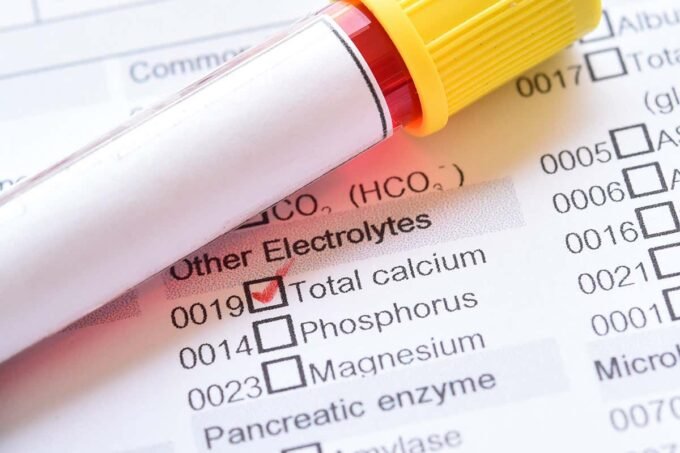
The visa blood test itself is one of the most straightforward steps in the entire journey. A trained medical technician collects a small blood sample from a vein in the arm using sterile equipment.
The process usually takes only 5 to 10 minutes and is minimally uncomfortable. Most applicants describe it as a quick pinch followed by immediate completion.
Once collected, the sample is carefully labeled and sent to an accredited laboratory for detailed analysis. These laboratories follow strict immigration medical screening standards to ensure precision and reliability.
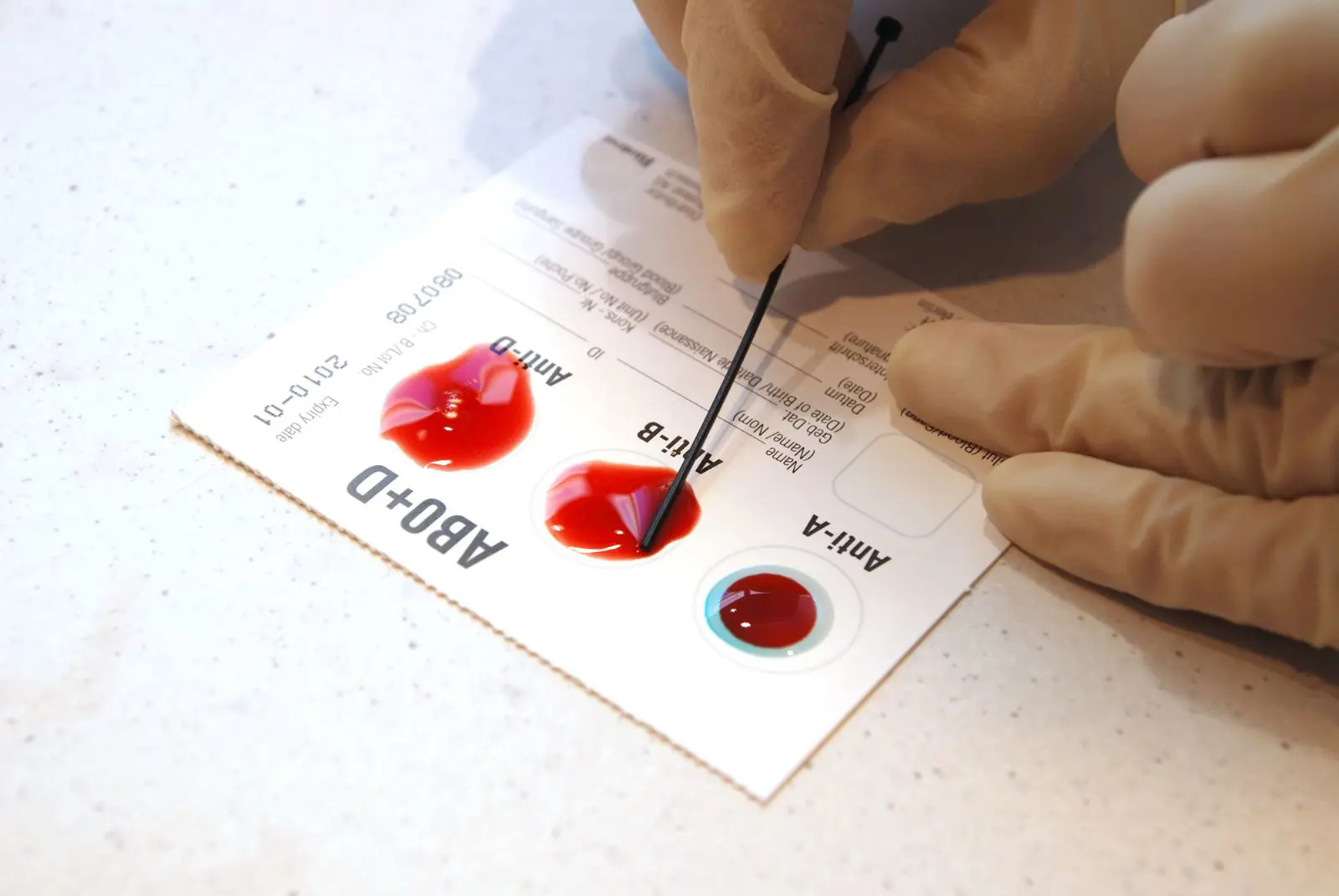
This blood sample is the core diagnostic tool used to assess infectious diseases and general health markers.
Laboratory Testing and Health Screening Analysis:
After collection, the blood sample enters the laboratory phase, which is the most detailed part of the visa medical examination journey.
Tests commonly include screening for hepatitis B, hepatitis C, syphilis (RPR or VDRL), and tuberculosis-related indicators. In some countries, HIV testing may also be included depending on immigration policy.
In addition to infectious disease screening, general health markers are analyzed. These include liver function, kidney function, blood glucose levels, and complete blood count (CBC).
This stage typically takes 24 to 72 hours, depending on test complexity and laboratory workload. If any abnormal findings appear, confirmatory testing may be required before final reporting.
Additional Tests That May Be Required:
Depending on visa category and destination country rules, additional medical tests may be part of the immigration health screening process.
A chest X-ray is commonly required to evaluate lung health and screen for tuberculosis. This procedure is quick, usually taking 10 to 20 minutes, and provides detailed imaging of the respiratory system.
Urine analysis may also be included to assess kidney function and detect metabolic conditions.
Some applicants may also undergo vaccination checks or receive immunizations to meet immigration health requirements.
These additional steps ensure a complete medical profile is created for visa assessment.
Medical Review and Report Preparation:
Once laboratory results and additional test outcomes are available, the panel physician reviews all findings.
This stage involves compiling a full medical report that includes visa blood test results, physical examination data, imaging reports, and medical history evaluation.
The physician ensures that all information is accurate, consistent, and aligned with immigration health standards.
This process usually takes 1 to 2 days depending on workload and complexity of the case.
The finalized report is then submitted directly to immigration authorities through secure channels.
Understanding Results and Possible Outcomes:
Visa medical examination results are evaluated as part of a broader health assessment rather than a single test result.
Most applicants receive medical clearance without any issues, allowing their visa application to continue smoothly.
If minor abnormalities are found, additional testing or clarification may be requested. These situations are common and do not necessarily indicate serious health concerns.
In rare cases, significant medical conditions may require further evaluation, but final decisions depend on severity, treatment status, and public health risk rather than isolated findings.
Common Challenges During the Visa Blood Test Journey:
While the process is structured, applicants may still face a few challenges.
One common issue is missing or incomplete documentation, which can delay registration. Another is not following fasting instructions correctly, which can affect blood test accuracy.
Temporary health conditions such as dehydration, stress, or minor infections may also influence test results and require repeat testing.
Understanding these challenges in advance helps applicants avoid unnecessary delays.
Timeline of the Entire Visa Medical Journey:
The visa blood test journey is generally efficient when all requirements are met.
The clinic visit, including registration, physical examination, and blood collection, usually takes 1 to 3 hours.
Laboratory testing and report preparation typically take 2 to 5 days. In some cases requiring additional testing, the process may extend to 7–10 days.
Overall, the entire immigration medical examination journey is designed to be completed within a short and predictable timeframe.
Practical Tips for a Smooth Experience:
A smooth visa blood test journey depends on preparation and awareness.
Arriving early at the clinic helps reduce stress and waiting time. Keeping documents organized ensures fast registration.
Following fasting instructions carefully improves test accuracy. Staying hydrated supports easier blood collection.
Most importantly, being honest about medical history and medications allows for accurate interpretation of results.
Navigating the Visa Blood Test Journey with Confidence:
The visa blood Lab tests is a structured and essential part of the immigration medical examination process. From preparation and registration to laboratory testing and final reporting, each step plays a specific role in ensuring accurate health evaluation.
Although the process may seem complex at first, it is highly organized and designed for efficiency and fairness.
By understanding each stage of the journey, applicants can approach their immigration medical screening with confidence, reduce stress, and avoid unnecessary delays.
Ultimately, the visa blood test journey is not just a requirement—it is a well-defined pathway that supports safe, reliable, and successful immigration outcomes.