In the modern marketplace, the journey of a beverage—from a raw ingredient in a vineyard, orchard, or laboratory to the glass in a consumer’s hand—is nothing short of a logistical miracle. While the end-user simply enjoys a refreshing drink, the reality behind the scenes is a high-stakes race against time, temperature, and regulation.
In an era where consumer expectations for availability and convenience are at an all-time high, beverage logistics has evolved from a simple transport requirement into a strategic competitive advantage. Whether you are a craft brewery scaling up operations, a wine distributor navigating international borders, or a soft drink giant managing global supply chains, the efficiency of your logistics will determine your bottom line.
The Unique Challenges of Beverage Logistics
Unlike standard dry goods, beverages are a “high-maintenance” cargo. They are often heavy, fragile, liquid-based (which risks spoilage or contamination), and subject to strict health and safety regulations. Here are the core pillars that define the complexity of the industry:
1. Temperature-Controlled Integrity (Cold Chain)
For many beverages—especially craft beers, dairy-based drinks, cold-pressed juices, and fine wines—temperature is the ultimate arbiter of quality. A break in the cold chain for even an hour can lead to oxidation, bacterial growth, or flavor profiles shifting entirely. Investing in reliable reefer (refrigerated) transport and real-time telematics is no longer optional; it is the price of admission.
2. Weight and Density Constraints
Liquids are notoriously heavy. Shipping crates of glass-bottled soda or high-end spirits poses significant challenges regarding vehicle weight limits and fuel efficiency. Logistics managers must constantly balance the use of heavier materials (glass) for brand perception with the need for lighter, eco-friendly alternatives (PET, aluminum cans, or bag-in-box) to optimize shipping costs and reduce carbon footprints.
3. Regulatory Compliance and Taxation
Beverages are heavily regulated. From local health department mandates to international customs laws regarding alcohol excise taxes and labeling requirements, the paperwork is as fluid as the product itself. Navigating these regulatory waters requires robust documentation and a sophisticated ERP (Enterprise Resource Planning) system to ensure compliance at every touchpoint.
4. Beverage Shelf Life and Demand Volatility
Beverages have expiration dates. Managing inventory for a seasonal pumpkin ale or a limited-edition sparkling water requires a “First-Expired, First-Out” (FEFO) inventory strategy. Without precise demand forecasting, beverage companies risk two outcomes: stockouts (missing out on sales) or dead stock (writing off expired products).
The Evolution of Beverage Supply Chain Strategy
To stay ahead, leading companies are shifting from reactive shipping models to proactive, data-driven ecosystems. How are they doing it?
Embracing Automation in Warehousing
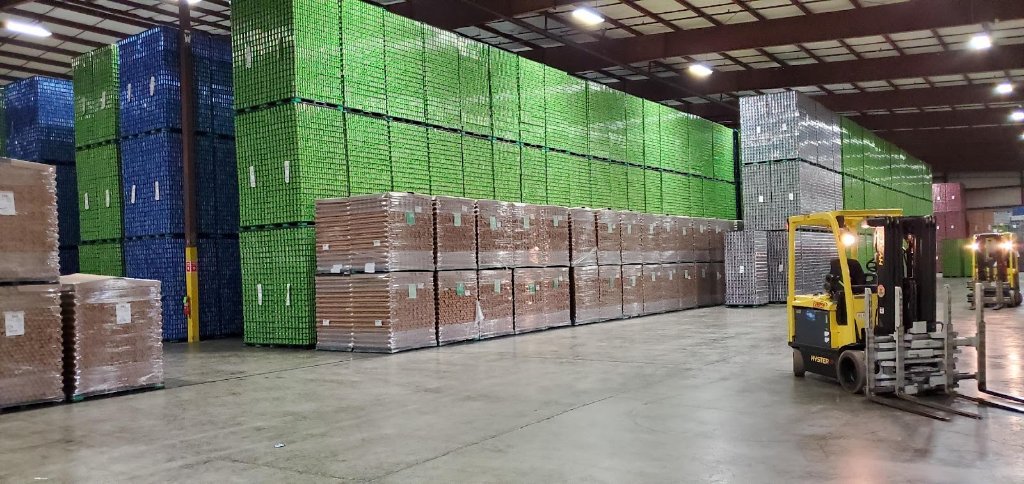
Warehouses are no longer sleepy storage facilities; they are high-tech hubs. Automated Guided Vehicles (AGVs) and robotic picking systems are revolutionizing beverage distribution. By automating the handling of heavy pallets and case packs, companies reduce labor costs and significantly decrease the risk of breakage—a common “hidden cost” in beverage logistics.
The Rise of Multi-Modal Transport
Relying on a single mode of transport is a recipe for disaster. Successful logistics strategies now incorporate multi-modal approaches—blending rail, road, and sea—to balance the trade-offs between speed and cost. For example, long-haul domestic transit via rail can significantly reduce the carbon footprint and cost per unit compared to trucking, while “last-mile” delivery remains highly localized and agile.
Sustainability as a Competitive Edge
Consumers are increasingly voting with their wallets for sustainable brands. This extends to the supply chain. Companies are optimizing delivery routes to reduce idle time, switching to electric fleet vehicles for urban distribution, and implementing “backhauling”—a process where trucks return from a delivery with new cargo rather than traveling empty. Efficiency is the new sustainability.
Data-Driven Decision Making: The Future of the Industry
The “Holy Grail” of modern beverage logistics is end-to-end visibility. In the past, companies might know when a shipment left the warehouse and when it arrived at the retailer. Today, that isn’t enough.
Through the integration of IoT (Internet of Things) devices, beverage brands can now monitor real-time data:
- Location: Where is the load in the transit loop?
- Humidity/Temperature: Is the integrity of the product compromised?
- Shock/Vibration: Has the load been mishandled during transit?
This level of granularity allows managers to intervene before a problem occurs. If a truck’s refrigeration unit starts to fail, a proactive alert allows the driver to pull over for repairs or reroute to a closer facility, potentially saving thousands of dollars in inventory loss.
Choosing the Right Logistics Partner
For many beverage companies, outsourcing to a 3PL (Third-Party Logistics) provider is the most effective way to scale. However, not all 3PLs are created equal. When evaluating a logistics partner, look for the following:
- Industry Specialization: Do they understand the nuances of food-grade warehousing and the specific safety requirements for liquids?
- Tech Stack Integration: Can their system “talk” to your existing inventory management software?
- Scalability: Can they handle the surge during peak retail seasons (like the lead-up to summer or the holiday season)?
- Geographic Reach: Do they have a network of cold-storage facilities that are strategically located near your key distribution hubs?
Final Thoughts: The Path Forward
The beverage industry is dynamic, crowded, and unforgiving. Success is rarely the result of a single brilliant marketing campaign or a singular product innovation; it is built on the foundation of a robust, reliable, and invisible supply chain.
By mastering the complexities of temperature control, optimizing routes for fuel and time efficiency, and leveraging the power of real-time data, beverage companies can ensure that their product is always ready, always fresh, and always available. In the end, the most important part of your beverage logistics strategy is the one thing your customer never sees: the seamless orchestration that gets the right drink to the right place at exactly the right time.