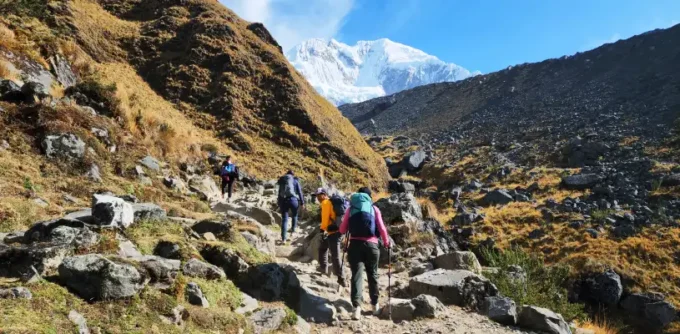
Have you ever wondered why governments invest so much effort into protecting forests, grasslands, wetlands, and mountain ecosystems? The answer lies in the critical role these protected areas play in wildlife conservation. National parks are much more than tourist destinations—they are safe havens for animals, plants, and entire ecosystems that might otherwise disappear due to human activities.
As environmental challenges continue to grow around the world, national parks have become some of the most valuable tools for preserving biodiversity and maintaining the natural balance that supports life on Earth.
The Purpose of National Parks
National parks are designated areas protected by law to conserve natural landscapes, wildlife, and ecological processes. Unlike urban spaces or commercial developments, these regions are managed with the goal of preserving nature rather than exploiting it.
Many national parks were established because they contain unique habitats, endangered species, or ecosystems that are important for environmental stability. By limiting activities such as deforestation, mining, and uncontrolled development, national parks provide a secure environment where nature can thrive.
In countries like India, the United States, Kenya, Australia, and South Africa, national parks play a major role in protecting iconic wildlife species while also supporting scientific research and environmental education.
Protecting Wildlife and Their Habitats
Animals need more than food and water to survive. They require safe habitats where they can breed, migrate, hunt, and interact naturally. Unfortunately, habitat loss remains one of the biggest threats to wildlife worldwide.
National parks help solve this problem by protecting large areas of land from destructive activities. These protected zones allow animals to live with minimal human interference.
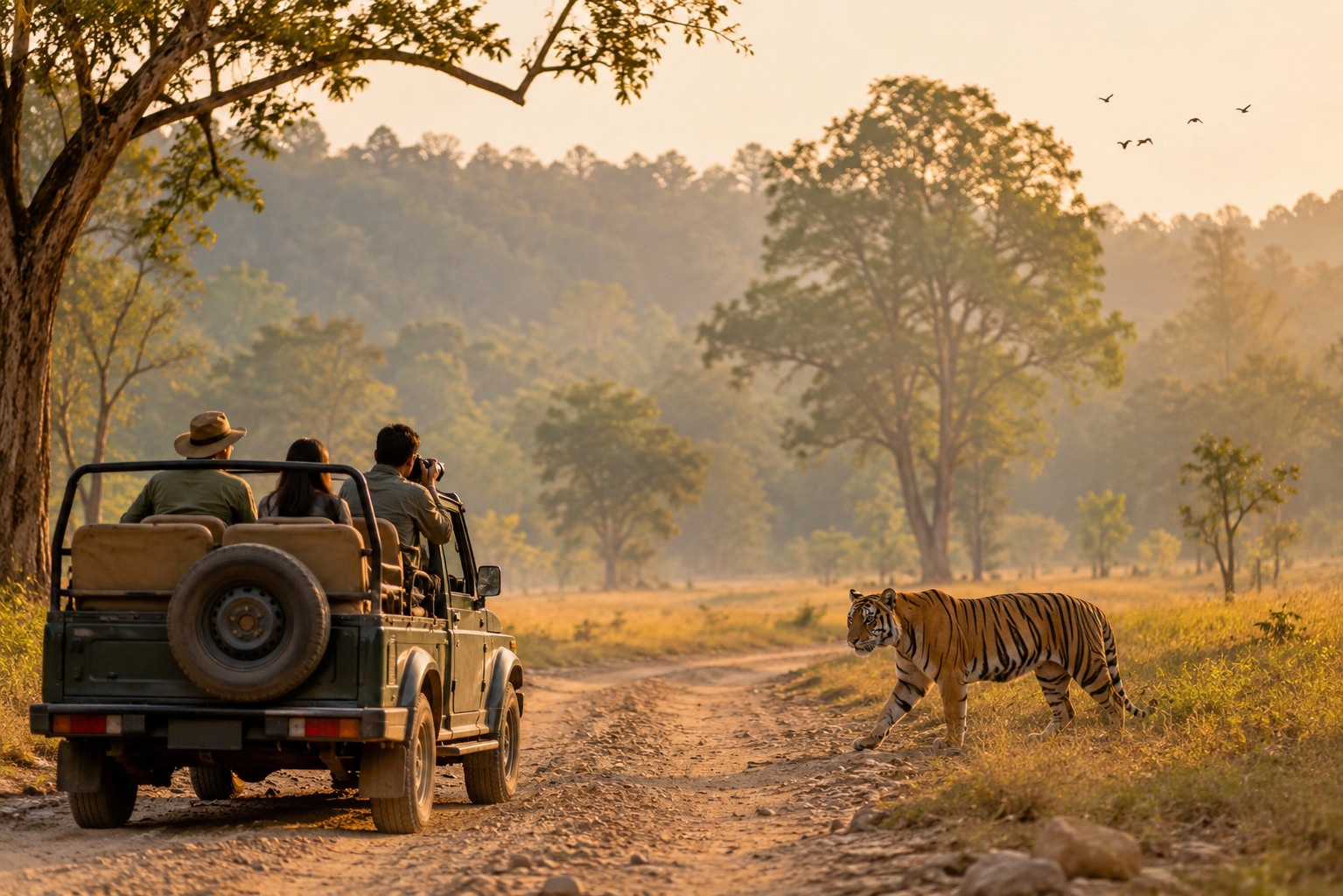
For example, tiger reserves in India provide secure habitats for Bengal tigers, while national parks in Africa protect elephants, lions, and rhinos from habitat fragmentation and illegal hunting. Without these protected areas, many species would face an even greater risk of extinction.
Preserving Biodiversity
Biodiversity refers to the variety of life found within an ecosystem. This includes animals, plants, insects, fungi, and microorganisms that work together to maintain ecological balance.
National parks often contain hundreds or even thousands of species living within the same environment. Protecting these areas helps ensure that ecosystems remain healthy and resilient.
A diverse ecosystem is better able to adapt to environmental changes such as climate fluctuations, disease outbreaks, and natural disasters. When biodiversity declines, ecosystems become more vulnerable and less capable of supporting life.
This is one reason why experts consider national parks essential for long-term environmental sustainability.
Supporting Wildlife Conservation Efforts
One of the most important contributions of national parks is their direct support for wildlife conservation programs. Many parks serve as centers for monitoring endangered species, conducting research, and implementing recovery plans.
Conservation teams track animal populations, study migration patterns, and identify potential threats. This information helps governments and environmental organizations make informed decisions about species protection.
In some cases, national parks have helped bring endangered species back from the brink of extinction. Conservation success stories involving tigers, rhinos, and various bird species demonstrate the positive impact that protected areas can have when managed effectively.
Fighting Climate Change
National parks also play a significant role in addressing climate change. Forests, wetlands, grasslands, and mangrove ecosystems act as natural carbon sinks, absorbing carbon dioxide from the atmosphere.
By preserving these ecosystems, national parks help reduce greenhouse gas concentrations while protecting natural resources that communities depend upon.
Healthy forests improve air quality, regulate temperatures, and contribute to stable weather patterns. Wetlands help control flooding, while grasslands support soil health and prevent erosion.
Protecting these landscapes benefits both wildlife and people.
Creating Opportunities for Education
For many visitors, a trip to a national park is more than just a vacation. It can be an eye-opening experience that increases awareness about environmental issues and the importance of conservation.
Seeing wildlife in its natural habitat often inspires people to care more deeply about nature. Educational programs, guided safaris, visitor centers, and conservation workshops help individuals understand how ecosystems function and why protecting them matters.
When people develop a stronger connection with nature, they are more likely to support environmental initiatives and sustainable practices in their daily lives.
Supporting Local Communities
Well-managed national parks can also provide economic benefits to nearby communities through eco-tourism. Visitors spend money on accommodations, transportation, guides, food, and local services, creating jobs and generating income.
This economic value encourages communities to participate in conservation efforts and protect natural resources rather than exploit them.
When local people see direct benefits from conservation, it creates a stronger partnership between communities and environmental organizations.
Challenges Facing National Parks
Despite their importance, national parks face numerous challenges. Illegal poaching, climate change, invasive species, pollution, and increasing tourism pressure can all threaten protected ecosystems.
Conservation authorities must constantly balance visitor access with environmental protection. Sustainable tourism practices, strict regulations, and ongoing conservation funding are essential for maintaining the health of these areas.
The future success of national parks depends on continued support from governments, conservation groups, and responsible travelers.
Final Thoughts
National parks are among the most effective tools available for protecting nature. They safeguard habitats, preserve biodiversity, support scientific research, fight climate change, and create opportunities for education and sustainable tourism.
As environmental pressures continue to increase, the role of national parks becomes even more significant. Their contribution to wildlife conservation extends far beyond protecting individual species—they help maintain the delicate ecosystems that support life for future generations.
Whether you visit a national park for adventure, photography, or simply to enjoy nature, you are witnessing one of the most important conservation efforts taking place in the modern world.