It’s a common source of quiet frustration. Two people can brush just as diligently, avoid the same staining foods, and take the same care of their teeth, yet one has a noticeably whiter smile than the other. It can seem unfair, and it raises a genuine question: why are some people’s teeth naturally more yellow than others?
The answer has less to do with cleanliness than most people assume. Tooth colour is determined by a combination of factors, some within our control and many not. Understanding what actually decides the shade of your teeth explains why natural colour varies so much, and what can realistically be done about it.
Teeth Aren’t Meant to Be Pure White
The first thing worth knowing is that naturally white teeth, the brilliant, uniform white many people aspire to, aren’t actually the norm.
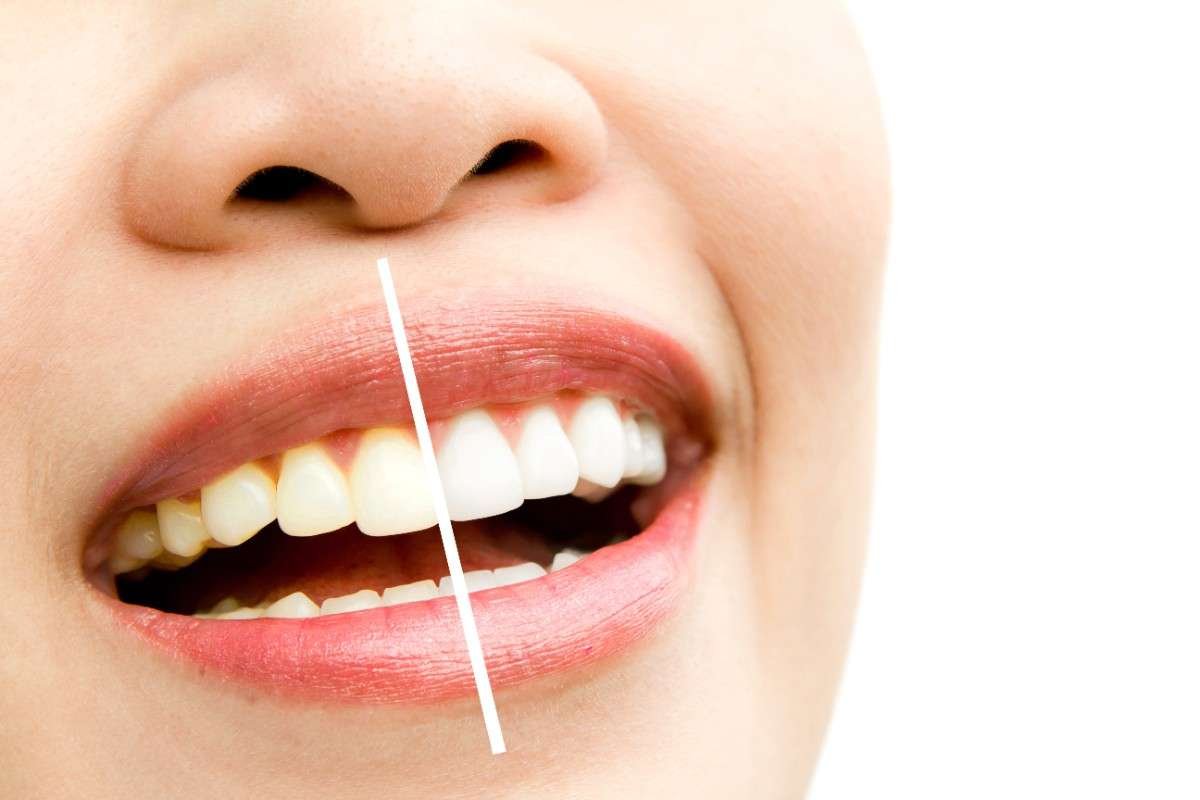
Healthy natural teeth come in a range of shades, and most have a slight yellow, grey or off-white tint rather than being pure white. The dazzling white often seen in the media and in advertising is usually the result of cosmetic treatments, not natural colour. So a degree of yellowness isn’t a sign of poor health or poor hygiene; it’s simply the natural colour of teeth for many people.
Setting that expectation straight matters, because a lot of people worry their teeth are unhealthy when in fact they’re perfectly normal, just naturally not bright white.
The Real Reason: Enamel and Dentine
To understand tooth colour, you have to look at the two main layers that make up a tooth.
The outer layer is enamel, which is hard, protective, and naturally slightly translucent, with a whitish or bluish-white tone. Beneath it lies dentine, a softer layer that is naturally yellow, and sometimes brownish, in colour.
Here’s the key point: because enamel is somewhat translucent, the colour of the dentine underneath shows through it. The final colour of a tooth is essentially a combination of the enamel’s shade and thickness and the dentine’s natural yellow colour beneath. This single fact explains most of the natural variation between people.
Why Enamel Thickness Varies From Person to Person
Since the yellow dentine shows through the enamel, how thick and how translucent someone’s enamel is makes a big difference to how yellow their teeth appear.
People with naturally thicker, more opaque enamel tend to have whiter-looking teeth, because more of the yellow dentine is masked. People with naturally thinner or more translucent enamel show more of the underlying dentine, so their teeth look more yellow, even when they’re perfectly healthy and well cared for.
Enamel thickness is largely determined by genetics, which is one of the main reasons tooth colour runs in families. Some people are simply born with enamel that reveals more of the yellow beneath, and no amount of brushing changes that underlying structure.
The Role of Genetics
Genetics influences tooth colour in several ways, which is why natural shade varies so much between individuals.
Inherited factors include the thickness and translucency of the enamel, the natural colour of the dentine itself, and the overall structure of the teeth. Just as people inherit their skin tone, hair colour and eye colour, they inherit the natural colour characteristics of their teeth. This is why some families tend to have naturally whiter teeth and others naturally more yellow ones, regardless of their dental habits.
Understanding this can be reassuring: if your teeth are naturally a little yellow despite good care, it may simply be the genetic hand you were dealt, not anything you’ve done wrong. For reliable, non-commercial information on oral health, Healthdirect, the Australian Government’s health information service, is a trustworthy reference.
Age Naturally Yellows Teeth Too
Beyond genetics, age plays a significant and unavoidable role in tooth colour.
Over the years, the enamel gradually wears and thins from a lifetime of chewing, brushing and exposure to acids. As the enamel thins, more of the yellow dentine beneath shows through. At the same time, the dentine itself can become darker and yellower with age. The combined effect is that teeth naturally tend to look more yellow as people get older, even with excellent care.
This is a normal part of ageing, not a failure of oral hygiene, and it happens to nearly everyone to some degree.
The Factors You Can Control
While enamel structure, genetics and age are largely fixed, several factors that affect tooth colour are within a person’s control, and these are where staining, as opposed to natural colour, comes in.
- Staining foods and drinks such as coffee, tea, red wine and dark-coloured foods gradually stain the enamel surface over time
- Smoking and tobacco use cause significant yellow-brown staining
- Poor oral hygiene allows plaque and stain to build up, dulling the teeth
- A build-up of tartar can make teeth look yellow or discoloured
The difference here is between natural colour, which is built into the tooth, and surface staining, which is added on top. Surface staining can be reduced through good oral hygiene, professional cleaning and cutting back on the culprits. Natural colour, on the other hand, doesn’t respond to cleaning, because it isn’t on the surface.
What Can Actually Be Done
For those who want whiter teeth, the right approach depends on whether the yellowness is natural colour or surface staining.
Surface staining responds well to a professional clean, which removes built-up tartar and stain, and to good daily oral care. For changing the actual colour of the teeth, including natural yellowness, professional whitening using peroxide-based treatments is the effective option, either in-chair or with a dentist-supplied take-home kit. Whitening toothpastes, by contrast, mostly work by mild abrasion on surface stains and can’t change the natural colour of the teeth.
It’s worth having a dentist assess the situation first, since they can identify whether the yellowness is natural, from staining, or from another cause, and advise on what will actually work. Anyone considering whitening would benefit from this guidance, and a practice such as Bradbury Dental Surgery can assess the cause of the colour and advise on safe, effective options rather than leaving someone to guess with over-the-counter products.
The Bottom Line
Some people’s teeth are naturally more yellow than others largely because of enamel and dentine: the yellow dentine inside a tooth shows through the translucent enamel over it, and the thickness of that enamel, determined mostly by genetics, decides how much of the yellow is visible. Age thins the enamel further, adding to the effect over time.
This means natural tooth colour is largely inherited and not a reflection of how well someone looks after their teeth. Surface staining from food, drink and smoking can be reduced, but natural colour is built into the tooth. For those who want a whiter smile, professional whitening is the effective route, ideally after a dentist has confirmed what’s behind the colour in the first place. And it’s worth remembering that a naturally slightly yellow tooth is a normal, healthy tooth, not a flawed one.
Frequently Asked Questions
Are Yellow Teeth Unhealthy?
Not necessarily. Naturally slightly yellow teeth are completely normal and healthy, since the yellow dentine inside a tooth naturally shows through the translucent enamel. Healthy teeth come in a range of shades, and pure white isn’t the natural norm. Yellowness only suggests a problem if it’s due to heavy staining, plaque build-up or a specific dental issue, which a dentist can assess.
Why Are My Teeth Yellow Even Though I Brush Well?
Often it’s natural colour rather than a hygiene issue. The thickness and translucency of your enamel, largely determined by genetics, decides how much of the naturally yellow dentine shows through. Thinner or more translucent enamel reveals more yellow, regardless of how well you brush. Age also thins enamel over time, adding to the effect. Brushing can’t change this underlying structure.
Can Naturally Yellow Teeth Be Made Whiter?
Yes. While natural yellowness doesn’t respond to brushing or whitening toothpaste, professional whitening using peroxide-based treatments can change the actual colour of the teeth, either through in-chair treatment or a dentist-supplied take-home kit. It’s best to have a dentist confirm the cause of the colour first, so the most effective and suitable approach can be recommended.
Does Age Make Teeth More Yellow?
Yes. Over time, enamel gradually thins from chewing, brushing and acid exposure, allowing more of the yellow dentine beneath to show through. The dentine itself can also darken with age. The combined effect means teeth naturally tend to look more yellow as people get older, even with excellent oral care. This is a normal part of ageing rather than a sign of neglect.