Preparing for marriage involves much more than organizing a wedding ceremony or planning a honeymoon. It is also the perfect opportunity for couples to evaluate their health before starting a new chapter together. One of the most recommended steps in premarital healthcare is completing a Marriage Blood Test in Dubai. This medical assessment helps identify potential health concerns, inherited conditions, and infectious diseases that could affect both partners or future children.
A marriage blood test is not designed to determine whether a couple should marry. Instead, it provides valuable medical information that supports informed decisions, preventive healthcare, and responsible family planning. Understanding the requirements of premarital blood testing can help couples approach marriage with greater confidence and awareness.
Understanding Marriage Blood Test Requirements:
Marriage blood test requirements refer to the medical examinations and laboratory tests healthcare providers recommend before marriage. The specific tests vary according to individual medical history, family background, and physician recommendations, but the overall objective remains the same: protecting the long-term health of both partners.
Premarital health screening focuses on identifying medical conditions that may not show visible symptoms. Detecting these conditions early allows couples to seek treatment, receive genetic counseling, or adopt preventive measures before marriage or pregnancy.
Why Healthcare Professionals Recommend Premarital Blood Testing?
Many diseases remain silent for years before causing noticeable health problems. Likewise, inherited genetic conditions can be passed to children even if neither parent has symptoms.
A marriage blood test helps couples:
-
Evaluate overall health.
-
Detect infectious diseases early.
-
Identify hereditary disorders.
-
Understand blood group compatibility.
-
Plan healthier pregnancies.
-
Reduce preventable medical risks.
-
Improve long-term family health.
Rather than creating unnecessary concern, these medical screenings provide reassurance by giving couples accurate health information before marriage.
Essential Tests Commonly Included:
Although healthcare providers customize testing based on personal circumstances, several laboratory tests are considered standard in premarital health screening.
Blood Group and Rh Factor:
Determining each partner’s blood type and Rh factor is one of the most common marriage blood test requirements.
Different blood groups do not prevent marriage, but Rh incompatibility can influence pregnancy. When identified early, physicians can provide appropriate treatment to prevent complications during pregnancy.
Complete Blood Count (CBC):
A Complete Blood Count measures various blood components, including:
-
Red blood cells
-
White blood cells
-
Platelets
-
Hemoglobin levels
This routine examination helps identify anemia, infections, blood disorders, and nutritional deficiencies that may require medical attention.
Genetic Carrier Testing:
Genetic screening evaluates whether either partner carries inherited diseases that could be passed to future children.
Common conditions include:
-
Thalassemia
-
Sickle cell disease
-
Cystic fibrosis
-
Other hereditary blood disorders
Carrier screening enables couples to understand potential reproductive risks and explore available medical options through genetic counseling.
Infectious Disease Screening:
One of the primary goals of a marriage blood test is detecting communicable diseases before marriage.
Healthcare providers commonly recommend testing for:
-
HIV
-
Hepatitis B
-
Hepatitis C
-
Syphilis
Early diagnosis improves treatment outcomes while reducing the possibility of disease transmission between partners.
Blood Glucose Testing:
Checking blood sugar levels helps detect diabetes or prediabetes before symptoms become severe.
Proper diabetes management supports better overall health and contributes to safer pregnancies in the future.
Thyroid Function Assessment:
Healthy thyroid hormones are essential for fertility, metabolism, and pregnancy.
A thyroid function test may be recommended when symptoms, medical history, or family history suggest possible thyroid disorders.
Medical History Plays an Important Role:
Laboratory testing is only one part of premarital health evaluation.
Healthcare providers also review:
-
Personal medical history.
-
Previous surgeries.
-
Current medications.
-
Chronic illnesses.
-
Vaccination records.
-
Family history of inherited diseases.
-
Lifestyle habits.
Providing complete and accurate medical information allows physicians to recommend appropriate screening tests tailored to each individual.
Preparing for Your Marriage Blood Test:
Most marriage blood test requirements involve simple preparation.
Depending on the laboratory tests ordered, your healthcare provider may advise you to:
-
Fast before blood collection.
-
Drink adequate water.
-
Avoid alcohol before testing.
-
Inform the laboratory about medications.
-
Bring previous laboratory reports if available.
Following these recommendations improves testing accuracy and reduces the need for repeat examinations.
What Happens During the Appointment?
Many couples worry that premarital medical screening is lengthy or complicated.
In reality, the process is straightforward.
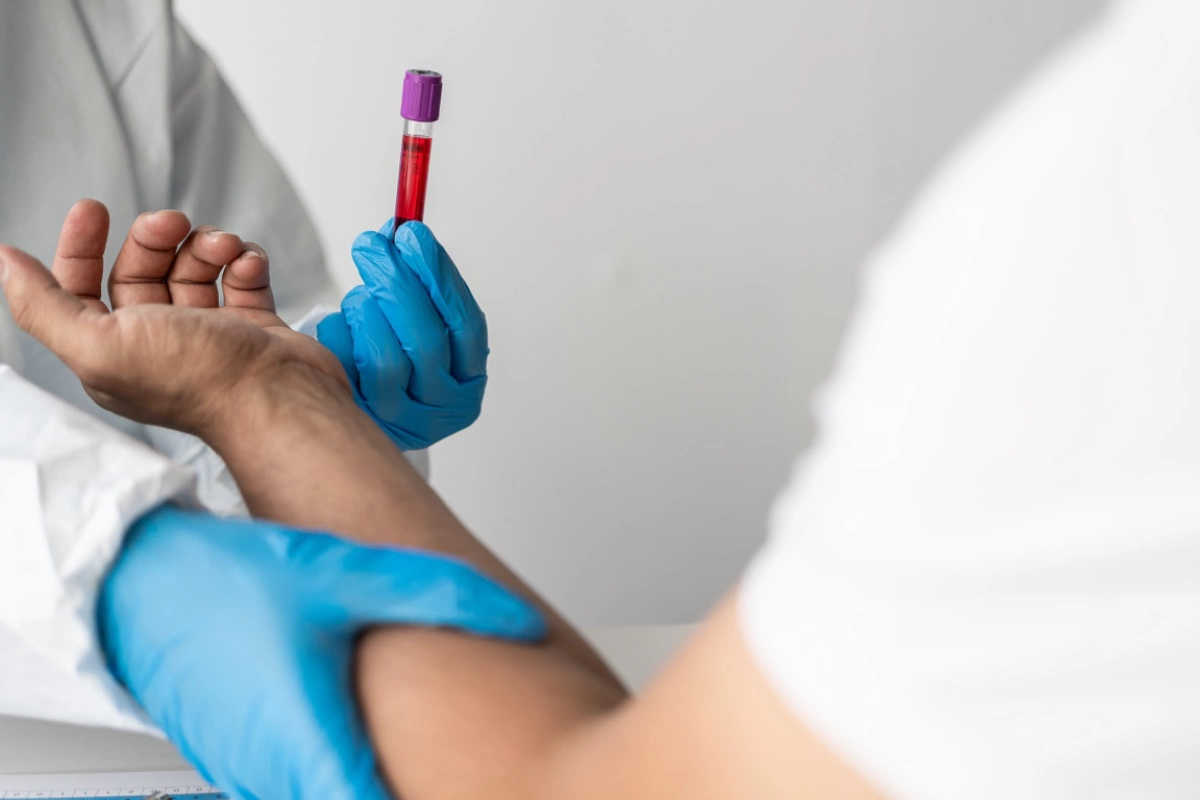
A healthcare professional reviews your medical history before collecting one or more blood samples from your arm. The procedure typically takes only a few minutes.
After collection, laboratory specialists analyze the samples using standardized medical procedures. Once results become available, your physician explains each finding and discusses whether any additional evaluation or treatment is necessary.
Interpreting the Results:
Receiving your laboratory report should not cause unnecessary anxiety.
Normal results indicate that no significant abnormalities were detected during screening.
If certain findings require attention, healthcare providers may recommend:
-
Additional diagnostic testing.
-
Medication.
-
Lifestyle modifications.
-
Specialist referral.
-
Vaccinations.
-
Genetic counseling.
-
Regular follow-up monitoring.
Many medical conditions identified during premarital blood testing are manageable when addressed early.
How Marriage Blood Tests Support Family Planning?
Planning for children begins long before pregnancy.
A marriage blood test helps healthcare professionals identify factors that may influence reproductive health and pregnancy outcomes.
Early medical assessment allows couples to:
-
Reduce inherited disease risks.
-
Improve maternal health.
-
Address chronic medical conditions.
-
Optimize nutritional status.
-
Plan prenatal care more effectively.
This proactive approach contributes to healthier pregnancies and healthier babies.
Common Misunderstandings About Marriage Blood Test Requirements:
Despite growing awareness, several myths continue to discourage couples from seeking premarital health screening.
Blood Tests Decide Marriage Compatibility:
Medical screening evaluates health status, not emotional compatibility, communication skills, or relationship success.
Young Couples Do Not Need Testing:
Age does not eliminate the possibility of inherited disorders or infectious diseases. Many conditions develop without obvious symptoms.
Only Couples with Family History Need Screening:
Even individuals without a known family history can carry genetic mutations or undiagnosed infections.
Abnormal Results Mean Serious Illness:
Many abnormal laboratory findings are temporary, mild, or easily treated. Physicians interpret results within the context of each person’s overall health.
Advantages Beyond Medical Diagnosis:
The benefits of a marriage blood Lab tests extend beyond identifying diseases.
Premarital screening encourages couples to:
-
Build trust through honest health discussions.
-
Develop greater health awareness.
-
Practice preventive healthcare.
-
Strengthen family planning.
-
Receive early medical intervention.
-
Reduce future healthcare complications.
These long-term advantages contribute to healthier marriages and improved quality of life.
Frequently Asked Questions:
Is a marriage blood test mandatory?
Requirements vary according to healthcare policies and legal regulations. Even when optional, healthcare professionals widely recommend premarital blood testing for preventive health purposes.
How long do laboratory results take?
Routine blood test reports are often available within a few days, while specialized genetic testing may require additional processing time.
Can couples undergo testing together?
Yes. Many healthcare facilities encourage both partners to complete premarital health screening during the same visit for convenience and comprehensive evaluation.
Are marriage blood test results confidential?
Yes. Medical information remains confidential and is protected under healthcare privacy standards.
What if a genetic condition is detected?
Healthcare providers usually recommend genetic counseling, where specialists explain inheritance patterns, reproductive risks, and available family planning options.
Final Thoughts:
Understanding marriage blood test requirements allows couples to prepare for marriage with greater confidence and responsibility. Premarital health screening is a practical investment in long-term well-being because it identifies infectious diseases, evaluates blood group compatibility, detects hereditary conditions, and supports informed reproductive decisions.
Rather than viewing medical testing as an obstacle, couples should consider it an essential part of building a healthy future together. By combining preventive healthcare, honest communication, and professional medical guidance, a marriage blood test provides valuable knowledge that benefits both partners and future generations. Taking this important step before marriage helps establish a stronger foundation for lifelong health, trust, and family wellness.