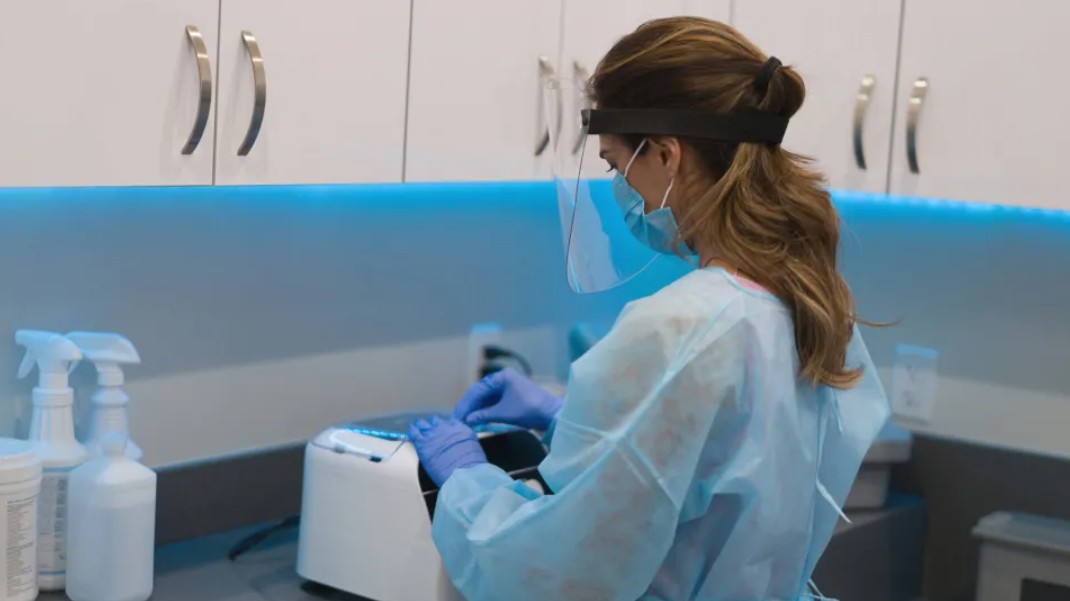
In the high-stakes environment of a Sterile Processing Department (SPD), the integrity of surgical instrumentation is paramount to patient safety. Every sterilizer cycle is a controlled, validated process, and when that process is interrupted, the immediate reaction of the personnel on duty can make the difference between a minor logistical delay and a significant patient safety event. Documentation of these interruptions is not just a regulatory burden; it is a critical component of quality assurance that ensures every tray, instrument, and container is processed to the highest clinical standard. For those looking to master the foundational principles of these procedures, enrolling in a sterile processing technician course provides the essential knowledge required to handle these complex equipment failures with clinical precision and adherence to AAMI standards.
Identifying and Responding to Cycle Interruptions
When a sterilizer alarm sounds or an error code appears on the display panel, the sterile processing technician must immediately transition into a state of heightened awareness. Recognizing an interruption before the completion of a cycle involves understanding the difference between mechanical failure, utility fluctuations, and human error. Common indicators include pressure drops, temperature variances, or unexpected aborted cycles due to door seal failures. Once the interruption is identified, the first step is to never attempt to bypass the alert or restart the unit without following departmental standard operating procedures. The equipment must be placed in a “troubleshooting” or “off” mode as defined by the manufacturer’s instructions for use (IFU). This phase is critical because any deviation from the established protocol during the interruption can compromise the future functionality of the equipment and, more importantly, the sterility of the instruments contained within the chamber.
The Immediate Protocol: Reporting and Quarantine
The moment a technician confirms that a cycle has been aborted or interrupted, the affected load must be considered non-sterile. The protocol for this situation is absolute: the load must be removed, the items must be manually inspected, and, in almost all scenarios, the entire contents of the load must be returned to the decontamination area for re-processing. The documentation process begins at this exact moment. A detailed log must be initiated, capturing the specific error code displayed, the exact time the interruption occurred, and the names of the personnel involved in the incident. Furthermore, the technician must document the specific contents of the load, ensuring that if any instruments require specialized handling due to the interruption, they are flagged accordingly. This immediate quarantine is essential for preventing non-sterile items from inadvertently being released for use in the operating room, which could lead to surgical site infections and compromised patient outcomes.
Standardizing Documentation for Compliance
Effective documentation requires more than just noting that an error occurred; it requires a comprehensive narrative that supports quality audits and regulatory compliance. The log entry should include the sterilizer identification number, the cycle type, the specific phase of the cycle where the interruption occurred—such as the conditioning or exposure phase—and a detailed description of the corrective actions taken. Utilizing a standardized form for these reports helps to maintain consistency, which is vital when surveyors from organizations like The Joint Commission or state health departments review department records. Detailed notes also assist the biomedical engineering team in diagnosing the root cause of the equipment failure. If documentation is vague, it becomes difficult for engineers to distinguish between a one-time utility hiccup and a persistent mechanical issue, potentially leading to repetitive failures and increased downtime that disrupts the hospital’s surgical schedule.
The Role of Continuous Professional Education
Sterile processing is an evolving field, where both the complexity of surgical instruments and the regulations surrounding their sterilization are constantly changing. Technicians must be adept at interpreting complex data, managing digital tracking systems, and ensuring that documentation aligns with current best practices. This level of technical literacy is exactly why professional development is so important. By completing a sterile processing technician course, staff members gain the expertise necessary to understand the “why” behind the “what,” allowing them to make informed decisions when equipment malfunctions. Education ensures that every technician, regardless of their experience level, understands how to properly document an interruption, who to report it to, and why these steps are non-negotiable for the safety of the patients they serve. It turns a stressful mechanical failure into a manageable, documented event.
Future-Proofing Through Quality Assurance
Ultimately, the goal of meticulous documentation is to build a culture of safety that prevents future interruptions. By analyzing the data collected from cycle interruptions, the SPD leadership can identify trends, such as consistent failures in a specific unit or during specific times of the day. This data-driven approach allows for proactive maintenance and staff training. When documentation is treated as a foundational element of the profession, it safeguards the department against liability and ensures that all stakeholders—from surgeons to hospital administrators—have confidence in the sterile supply chain. Documentation is, in essence, the permanent record of the technician’s commitment to patient welfare. It is the final, essential step in the sterilization process, proving that even when things go wrong, the department remained in control, held the line on quality, and prioritized the safety of the patient above all else.