Breathing Changes Can Affect More Than Health
Breathing difficulties can slowly change the way a person lives. At first, it may only happen during a longer walk or when carrying something heavy. Later, even simple tasks such as getting dressed, cooking a meal, or walking around the home may feel tiring. When breathing takes more effort, the whole day can feel harder.
Many people try to manage these changes on their own. They may rest more, avoid activity, or wait for symptoms to improve. While rest can be important, avoiding movement for too long can make the body weaker. This can make breathlessness feel even worse.
A Respiratory Physiotherapist Lismore can help people understand their breathing concerns and learn ways to stay active with greater comfort. The focus is on practical support that fits into everyday life.
How Respiratory Physiotherapy Can Help
Respiratory physiotherapy supports people who have breathing and chest related concerns. It may be useful for people living with asthma, chronic obstructive pulmonary disease, bronchiectasis, long term cough, chest mucus, recurring chest infections, or reduced stamina after illness.
Each person has different symptoms and different goals. One person may want to walk without needing as many breaks. Another may want help clearing mucus from the chest. Someone else may want to feel stronger after a hospital stay.
A physiotherapist can assess breathing patterns, posture, movement, strength, and activity levels. They can then create a plan that suits the person’s needs. The plan may include breathing exercises, chest clearing methods, gentle activity, and advice about managing daily tasks.
Why Breathlessness Can Feel So Concerning
Breathlessness can be uncomfortable and frightening. When a person feels they cannot get enough air, it can cause worry and panic. This may happen during activity, coughing, climbing stairs, or even while resting.
People may begin to fear situations that could make them breathless. They may avoid walking far from home, attending social events, or doing household jobs. They may also become anxious about being alone when symptoms happen.
This fear can lead to less movement. Unfortunately, less movement can reduce fitness and muscle strength. Then the body has to work harder during simple activities, which can make breathlessness worse.
A Respiratory Physiotherapist Lismore can teach techniques that may help people manage breathlessness in a calmer and more controlled way. Knowing what to do can reduce worry and make activity feel more possible.
Learning to Use Breathing More Effectively
Breathing techniques can help people feel more in control during moments of shortness of breath. These methods are often simple and can be practised at home.
One method involves breathing out slowly through gently closed lips. This can help slow down breathing and reduce the feeling of rushing for air. It may be helpful after walking, climbing stairs, bending down, or doing a task that requires effort.
Another useful approach is breathing out during movement. For example, breathing out while standing from a chair, lifting an item, or reaching up can make the activity feel less tiring.
A physiotherapist can show people how to use these methods during real life tasks. With regular practice, breathing techniques can become part of a daily routine rather than something a person only remembers when symptoms become severe.
Helping Clear Mucus From the Chest
Chest mucus can make breathing feel difficult. It can cause coughing, chest tightness, tiredness, and poor sleep. Some people may feel like they are always trying to clear their throat or cough up mucus without much success.
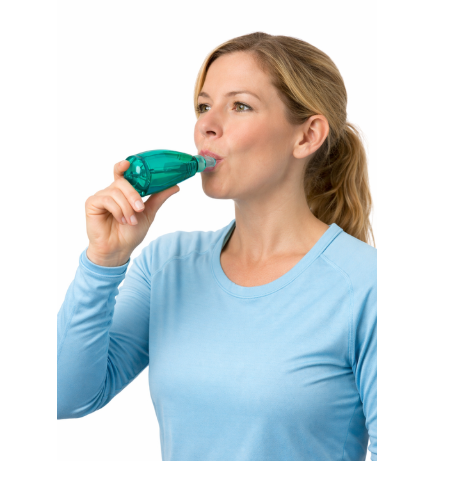
Respiratory physiotherapy can help by teaching airway clearance techniques. These methods help move mucus from the lungs so it can be cleared more easily. A physiotherapist may use breathing exercises, controlled coughing, and certain body positions to support this process.
The right method depends on the person and their health condition. Some people may need a regular chest clearing routine, while others may only need help during a chest infection or flare up.
Learning safe ways to clear mucus can reduce strain and help people feel more confident managing their symptoms at home.
Building Strength Without Feeling Overwhelmed
When breathing feels difficult, exercise can seem impossible. Many people worry that moving more will make them feel worse. However, gentle activity can help improve strength and stamina when it is done at the right level.
A physiotherapist may suggest a simple exercise plan based on the person’s ability. This could include short walks, seated exercises, gentle leg movements, light arm exercises, or stretching. The plan may start with only a few minutes each day.
The aim is to build strength slowly. Stronger muscles can make daily activities easier because the body does not need to use as much energy for every movement. Over time, people may find they can walk farther, recover faster, and feel less tired after routine tasks.
Progress does not need to be large to be important. Even small improvements can make a real difference in confidence and independence.
Making Daily Tasks Feel More Manageable
Everyday tasks can use a lot of energy when someone has breathing concerns. Cooking, showering, dressing, cleaning, shopping, and walking around the home may all feel harder than before.
Learning how to pace activities can help. Pacing means planning tasks and taking breaks before becoming too tired. It can also mean spreading jobs across the day instead of trying to finish everything at once.
Simple changes can make a difference. Sitting down while getting dressed, preparing items before cooking, using smaller loads when carrying things, and keeping commonly used items nearby can reduce effort.
A physiotherapist can help people find ways to complete daily tasks with less strain. These changes can help a person save energy for the activities they enjoy most.
Support During Recovery and Long Term Care
Recovery after a chest infection, surgery, hospital stay, or long illness can take time. Even when the main illness has improved, people may still feel weak, tired, and breathless. They may be unsure how much activity is safe.
Respiratory physiotherapy can provide support during this stage. A physiotherapist can help create a gradual plan that includes breathing exercises, chest clearing methods, gentle movement, and pacing advice.
The plan can change as the person improves. At first, the focus may be on walking around the home or completing basic tasks. Later, it may include longer walks, strength exercises, or returning to hobbies.
Long term respiratory conditions can also benefit from regular support. Having a plan can help people respond to changes in symptoms and maintain their independence.
Confidence Can Return Through Small Achievements
Breathing problems can affect confidence. A person may feel embarrassed about coughing in public or worried about becoming breathless while talking. They may avoid social events, travel, or hobbies because they are unsure how their body will cope.
These concerns can make life feel smaller. However, confidence can return through small and steady achievements. A short walk, a visit with family, a trip to the shops, or a few minutes of gardening can all be positive steps.
A Respiratory Physiotherapist Lismore can help people set goals that feel meaningful. The goal may be different for everyone. It may involve walking with a friend, keeping up with grandchildren, returning to work, or simply feeling more comfortable at home.
Each small success can help people feel more capable and less controlled by breathlessness.
When It May Be Time to Seek Help
It may be helpful to seek professional support if breathlessness is affecting daily activities, coughing lasts for a long time, mucus is difficult to clear, or chest infections happen regularly. Reduced stamina, tiredness, and fear of activity can also be signs that support may help.
Urgent medical care is important if breathing suddenly becomes severe. Chest pain, blue lips, confusion, coughing up blood, or a major change in symptoms should always be taken seriously.
For ongoing concerns, respiratory physiotherapy can work alongside doctors, specialists, medication, and other health support.
A More Comfortable Way to Move Forward
Breathing difficulties can make people feel limited, but there are practical ways to manage symptoms and stay active. Respiratory physiotherapy can provide skills that help with breathlessness, mucus, movement, strength, and daily routines.
The aim is to help people feel more comfortable and confident in their own lives. With patient guidance, regular practice, and realistic goals, many people can improve their ability to manage everyday activities.
A Respiratory Physiotherapist Lismore can support people as they take meaningful steps toward better breathing, greater strength, and a more active life.