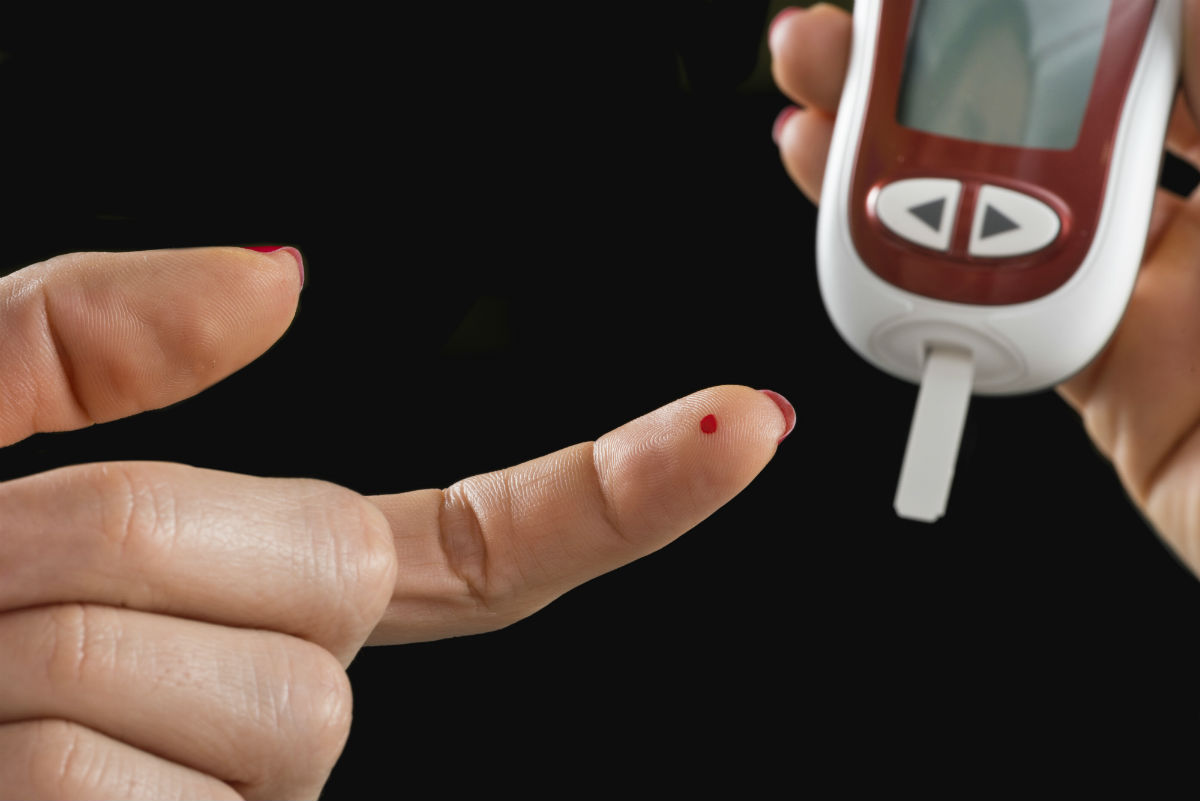
A blood sugar test is one of the most effective ways to understand how your body processes glucose and maintains energy balance. Whether you are experiencing symptoms of high blood sugar, managing diabetes, or simply taking a preventive approach to your health, this test provides valuable insights into your metabolic function.
Modern healthcare places significant emphasis on early detection because many blood sugar disorders develop gradually without obvious symptoms. A simple blood glucose test can identify potential problems before they progress into more serious conditions, allowing timely treatment and healthier lifestyle adjustments.
In this comprehensive guide, you’ll learn the purpose of a Blood Sugar Test in Dubai, how the procedure is performed, what the results indicate, and how maintaining healthy blood glucose levels supports long-term wellness.
Understanding the Role of Blood Sugar in the Body:
Before discussing the test itself, it helps to understand why blood sugar matters.
Blood sugar, also known as blood glucose, is the primary source of energy for your body’s cells. After eating, carbohydrates are broken down into glucose, which enters the bloodstream. The pancreas releases insulin, a hormone responsible for helping glucose move from the bloodstream into the cells where it is used for energy.
When this process does not work properly, glucose remains in the blood, causing elevated blood sugar levels. Over time, persistently high glucose can damage organs, nerves, blood vessels, kidneys, and eyesight. Likewise, blood sugar that drops too low can also create serious health concerns.
A blood sugar test measures glucose concentration and helps determine whether your body is regulating blood sugar effectively.
Purpose of a Blood Sugar Test:
The primary purpose of a blood sugar test is to evaluate how well your body controls glucose. However, its usefulness extends far beyond diagnosing diabetes.
Healthcare professionals recommend blood sugar testing to:
- Diagnose diabetes and prediabetes
- Monitor blood glucose in people already diagnosed with diabetes
- Detect hypoglycemia (low blood sugar)
- Identify hyperglycemia (high blood sugar)
- Evaluate insulin effectiveness
- Monitor treatment progress
- Assess metabolic health during routine medical examinations
- Screen individuals with risk factors for diabetes
Because diabetes often develops silently, regular blood glucose screening can identify problems years before complications begin.
Who Should Get a Blood Sugar Test?
Blood sugar testing is recommended for people of all ages under certain circumstances.
You may benefit from testing if you:
- Have a family history of diabetes
- Are overweight or obese
- Have high blood pressure
- Experience excessive thirst
- Urinate frequently
- Feel unusually tired
- Notice blurred vision
- Have slow-healing wounds
- Experience numbness in your hands or feet
- Have high cholesterol
- Live a sedentary lifestyle
- Previously experienced gestational diabetes
Routine screening is especially valuable because many individuals with prediabetes have no noticeable symptoms.
Different Types of Blood Sugar Tests:
Not every blood sugar test measures glucose in the same way. Healthcare providers select the appropriate test depending on the purpose of evaluation.
Fasting Blood Sugar Test:
A fasting blood sugar test measures glucose after several hours without eating or drinking anything except water.
It is one of the most common methods for diagnosing diabetes because food does not influence the reading.
Random Blood Sugar Test:
A random blood sugar test measures glucose regardless of when you last ate.
It is particularly useful when symptoms suggest diabetes and immediate assessment is necessary.
Oral Glucose Tolerance Test:
This test evaluates how efficiently your body processes glucose over time.
After an initial blood sample, you drink a glucose solution, followed by additional blood samples collected at scheduled intervals. This method is commonly used during pregnancy to detect gestational diabetes.
Hemoglobin A1C Test
Unlike tests that measure blood glucose at one specific moment, the A1C test reflects your average blood sugar over approximately three months.
This provides healthcare providers with a broader picture of long-term glucose management and overall diabetes control.
Preparing for Your Blood Sugar Test:
Proper preparation helps ensure accurate blood sugar test results.
Depending on the specific test ordered, your healthcare provider may provide instructions such as:
Follow Fasting Guidelines:
For fasting blood sugar tests, avoid food and beverages other than water during the recommended fasting period.
Stay Well Hydrated:
Drinking water supports healthy circulation and makes blood collection easier.
Inform Your Doctor About Medications:
Some medications, including steroids and certain blood pressure medicines, may temporarily influence blood glucose readings.
Always discuss prescription medications, supplements, and vitamins before testing.
Avoid Intense Exercise Before Testing:
Strenuous physical activity immediately before testing can temporarily affect blood sugar levels.
Moderate daily activity is generally acceptable unless instructed otherwise.
Maintain Your Usual Routine:
Unless advised differently, continue your regular eating, sleeping, and daily activities before your appointment.
What Happens During the Procedure?
Most blood sugar tests are quick, simple, and minimally invasive.
The procedure usually includes the following steps:
Patient Registration:
Healthcare staff confirm your medical information and explain the testing process.
Blood Sample Collection:
A healthcare professional cleans the skin before collecting a small blood sample from a vein or fingertip.
The entire collection process usually takes only a few minutes.
Laboratory Analysis:
The sample is analyzed using specialized laboratory equipment or point-of-care testing devices that accurately measure blood glucose concentration.
Result Review:
Your healthcare provider interprets the findings while considering your age, symptoms, medical history, medications, and overall health.
Is the Blood Sugar Test Painful?
Most people experience only minor discomfort.
A finger-prick test produces a brief pinch, while a blood draw from a vein may cause slight pressure or temporary soreness afterward.
The procedure is generally well tolerated and completed quickly.
Understanding Blood Sugar Test Results:
Blood sugar test results help determine whether glucose regulation is functioning normally.
Healthcare professionals evaluate results alongside your complete clinical picture rather than relying on a single measurement.
Results generally fall into three categories.
Normal Blood Sugar:
Normal results indicate that your body effectively regulates blood glucose through healthy insulin function.
Prediabetes:
Prediabetes means blood sugar levels are elevated but have not yet reached the threshold for diabetes.
This stage provides an opportunity to improve diet, increase physical activity, lose excess weight, and reduce future health risks.
Diabetes:
Consistently elevated blood glucose levels may indicate diabetes.
Your healthcare provider may recommend repeat testing or additional laboratory evaluations before confirming the diagnosis.
Factors That Can Influence Test Results:
Several everyday factors may temporarily affect blood glucose readings.
These include:
- Recent meals
- Emotional stress
- Illness or infection
- Sleep deprivation
- Pregnancy
- Certain medications
- Hormonal changes
- Physical exercise
- Alcohol consumption
- Dehydration
Following preparation instructions carefully helps produce the most reliable results.
Benefits of Regular Blood Sugar Monitoring:
Routine blood glucose testing offers numerous health advantages beyond diabetes diagnosis.
Benefits include:
- Early disease detection
- Better diabetes management
- Reduced risk of complications
- Improved medication monitoring
- Healthier lifestyle planning
- Better understanding of how diet affects glucose
- Improved long-term cardiovascular health
- Greater awareness of metabolic wellness
Individuals who actively monitor their blood sugar often make healthier decisions regarding nutrition, exercise, and preventive healthcare.
Lifestyle Habits That Support Healthy Blood Sugar:
Healthy daily habits contribute significantly to stable blood glucose levels.
Choose Nutrient-Dense Foods:
Focus on meals that include:
- Whole grains
- Fresh vegetables
- Fruits
- Lean proteins
- Healthy fats
- Fiber-rich foods
Balanced nutrition helps reduce rapid blood sugar spikes after meals.
Stay Physically Active:
Regular physical activity improves insulin sensitivity and helps muscles use glucose efficiently.
Walking, cycling, swimming, and strength training all contribute to healthier blood sugar control.
Maintain a Healthy Weight:
Excess body weight increases insulin resistance.
Gradual, sustainable weight management supports better metabolic health.
Prioritize Sleep:
Poor sleep affects hormones that regulate blood sugar and appetite.
Adults should consistently aim for sufficient quality sleep each night.
Manage Stress Effectively:
Long-term stress increases cortisol levels, which may contribute to elevated blood glucose.
Relaxation techniques, meditation, deep breathing, and regular exercise can help manage stress more effectively.
Common Misconceptions About Blood Sugar Testing:
Many myths prevent people from seeking timely testing.
Myth: Only Older Adults Need Blood Sugar Tests
Fact: Diabetes can develop at various ages, making screening important for anyone with risk factors.
Myth: Blood Sugar Tests Are Only for Diabetic Patients
Fact: Blood sugar screening also identifies prediabetes and evaluates overall metabolic health.
Myth: One Normal Test Means You’re Healthy Forever
Fact: Blood glucose levels can change over time due to aging, lifestyle, weight changes, and medical conditions.
Routine health checkups remain important.
Myth: High Sugar Intake Alone Causes Diabetes
Fact: Diabetes develops from multiple contributing factors, including genetics, insulin resistance, body weight, activity level, and overall health.
Frequently Asked Questions:
How long does a blood sugar test take?
Most blood sugar tests require only a few minutes, although an oral glucose tolerance test takes longer because multiple blood samples are collected.
Can I drink water before a fasting blood sugar test?
Yes. Water is generally allowed and helps maintain hydration during fasting.
How often should blood sugar be tested?
Testing frequency depends on your health status, diabetes risk, treatment plan, and your healthcare provider’s recommendations.
Are home glucose monitors as accurate as laboratory tests?
Home glucose monitoring devices are valuable for day-to-day management but laboratory testing remains the standard for diagnosis.
Conclusion:
A blood sugar Lab tests is a simple yet highly informative diagnostic tool that plays an essential role in preventive healthcare and diabetes management. By measuring blood glucose levels, healthcare providers can detect abnormalities early, monitor treatment effectiveness, and guide lifestyle changes that support better long-term health.
Understanding the purpose, procedure, and interpretation of blood sugar tests empowers individuals to take an active role in their well-being. Combined with balanced nutrition, regular exercise, healthy weight management, stress reduction, and routine medical checkups, blood sugar monitoring helps reduce the risk of serious complications while promoting lifelong metabolic health.
Whether you’re undergoing testing for routine screening or monitoring an existing condition, staying informed about blood sugar testing is an important step toward making confident, proactive healthcare decisions.