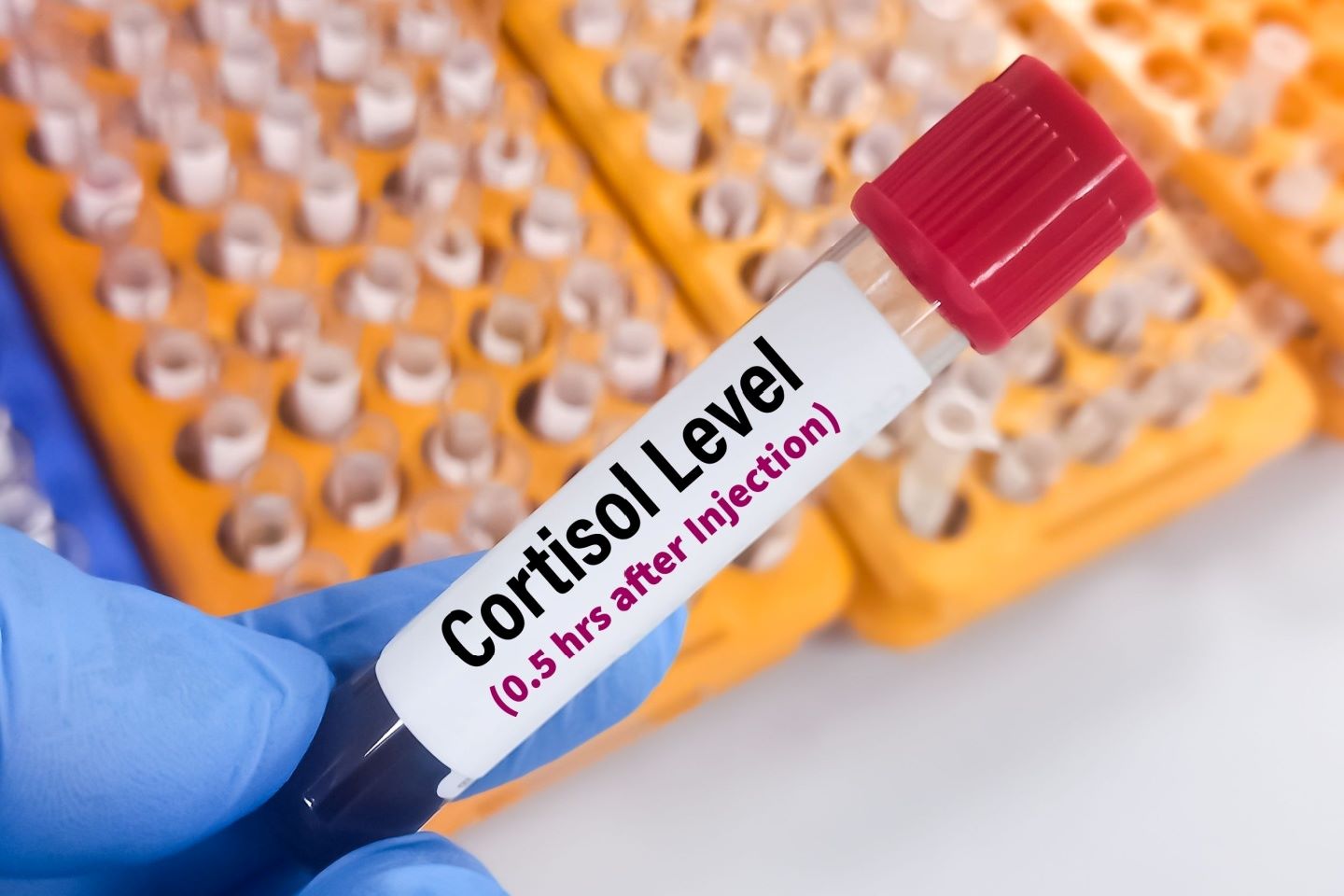
A Cortisol Blood Test is a laboratory test that measures the amount of cortisol circulating in your bloodstream. Cortisol is a vital hormone produced by the adrenal glands and regulated by the pituitary gland through adrenocorticotropic hormone (ACTH). Often known as the body’s primary stress hormone, cortisol influences metabolism, immune function, blood pressure, blood sugar regulation, and the body’s ability to respond to physical and emotional stress.
Because cortisol affects multiple organs and body systems, abnormal hormone levels may signal an underlying endocrine disorder. Healthcare providers frequently use a Cortisol Blood Test Dubai to investigate symptoms such as chronic fatigue, unexplained weight changes, muscle weakness, dizziness, abnormal blood pressure, or suspected adrenal gland disease. When combined with a clinical examination and additional hormone testing, the results help identify conditions affecting cortisol production and guide appropriate treatment.
Why a Cortisol Blood Test Is Important?
The endocrine system relies on balanced hormone production to maintain overall health. Even a slight disruption in cortisol levels can affect daily functioning and long-term wellbeing.
A cortisol blood test helps healthcare providers:
-
Evaluate adrenal gland function
-
Assess pituitary gland activity
-
Detect hormone imbalances
-
Diagnose adrenal insufficiency
-
Investigate excessive cortisol production
-
Monitor treatment for endocrine disorders
-
Support early diagnosis of hormonal diseases
Since cortisol naturally fluctuates throughout the day, interpreting the results requires an understanding of the body’s normal hormone rhythm.
The Role of Cortisol in the Human Body:
Cortisol is essential for survival because it supports several physiological processes that keep the body functioning properly.
Energy Production:
One of cortisol’s primary responsibilities is maintaining energy balance. It helps convert carbohydrates, proteins, and fats into usable energy, particularly during periods of stress or fasting.
Blood Sugar Regulation:
Cortisol works alongside insulin to regulate blood glucose levels. It encourages glucose production when additional energy is needed.
Immune System Control:
The hormone regulates inflammation and immune responses. While adequate cortisol reduces excessive inflammation, prolonged high cortisol may suppress immune function.
Blood Pressure Maintenance:
Healthy cortisol levels help maintain normal blood pressure by influencing fluid balance and blood vessel responsiveness.
Stress Adaptation:
Whenever the body experiences illness, injury, emotional stress, or surgery, cortisol prepares organs and tissues to respond efficiently.
When Do Doctors Recommend a Cortisol Blood Test?
A healthcare provider may order this test if symptoms suggest abnormal adrenal hormone production.
Common reasons include:
-
Persistent tiredness
-
Unexplained weight gain
-
Unintentional weight loss
-
Muscle weakness
-
Frequent dizziness
-
Low blood pressure
-
High blood pressure
-
Darkened skin pigmentation
-
Irregular blood sugar levels
-
Mood changes
-
Poor wound healing
-
Excessive fatigue after illness
The test is particularly valuable when evaluating suspected endocrine disorders affecting cortisol production.
Preparing for the Test:
Although a cortisol blood test is relatively simple, preparation can improve the accuracy of the results.
Patients may be advised to:
-
Inform the healthcare provider about all medications and supplements
-
Avoid strenuous physical activity before testing if instructed
-
Follow fasting recommendations when required
-
Arrive at the scheduled collection time
-
Report recent illnesses or major stress events
Many medications, including corticosteroids, oral contraceptives, and certain hormone therapies, can influence cortisol measurements.
Step-by-Step Procedure:
The cortisol blood test is a routine diagnostic procedure performed in a laboratory or healthcare facility.
The procedure generally follows these steps:
Patient Identification:
Healthcare professionals verify patient details and review any preparation instructions.
Blood Collection:
A tourniquet is placed around the upper arm to make a vein more visible. After cleaning the area with an antiseptic, a sterile needle is inserted into a vein to collect the blood sample.
Sample Handling:
The blood is transferred into a laboratory collection tube and labelled for hormone analysis.
Completion:
The needle is removed, gentle pressure is applied, and a small dressing is placed over the puncture site.
The entire process usually takes less than ten minutes.
Understanding Cortisol Test Results:
Laboratory results should always be interpreted by a qualified healthcare provider because cortisol levels vary depending on several factors, including the time of sample collection.
What High Cortisol Levels May Mean?
Elevated cortisol levels can occur due to:
-
Cushing syndrome
-
Chronic physical stress
-
Severe infections
-
Pituitary gland tumours
-
Adrenal gland tumours
-
Long-term corticosteroid medication
-
Major surgery or trauma
Temporary increases may not necessarily indicate disease and often require repeat testing.
What Low Cortisol Levels May Mean?
Reduced cortisol production may suggest:
-
Addison’s disease
-
Primary adrenal insufficiency
-
Secondary adrenal insufficiency
-
Pituitary disorders
-
Congenital adrenal conditions
-
Withdrawal from corticosteroid medications
Further testing is often required before establishing a final diagnosis.
Disorders Commonly Evaluated with a Cortisol Blood Test:
Cushing Syndrome:
Cushing syndrome develops when cortisol remains elevated over an extended period. Patients may experience central weight gain, facial rounding, thinning skin, easy bruising, muscle weakness, and high blood pressure.
Addison’s Disease:
This rare endocrine condition occurs when the adrenal glands cannot produce enough cortisol. Symptoms often include fatigue, dizziness, weight loss, nausea, abdominal discomfort, and skin darkening.
Adrenal Insufficiency:
Adrenal insufficiency can result from adrenal gland damage or inadequate ACTH stimulation from the pituitary gland. Early diagnosis is important because untreated cases may become life-threatening.
Pituitary Gland Disorders:
Pituitary tumours and hormonal abnormalities may interfere with ACTH production, disrupting normal cortisol secretion.
Factors That Can Influence Cortisol Levels:
Several everyday situations may temporarily affect cortisol production.
These include:
-
Emotional stress
-
Sleep deprivation
-
Pregnancy
-
Intense physical exercise
-
Acute illness
-
Chronic medical conditions
-
Smoking
-
Certain prescription medications
-
Shift work
Providing accurate medical information before testing helps improve result interpretation.
Additional Tests That May Be Recommended:
Depending on the initial findings, your healthcare provider may recommend further investigations to confirm the diagnosis.
These tests may include:
-
ACTH blood test
-
ACTH stimulation test
-
Dexamethasone suppression test
-
Salivary cortisol test
-
Twenty-four-hour urinary cortisol test
-
Electrolyte testing
-
Blood glucose testing
-
CT scan of the adrenal glands
-
MRI of the pituitary gland
Combining these diagnostic tools provides a more complete assessment of endocrine function.
Possible Risks of the Procedure:
A cortisol blood test is considered a very safe medical procedure.
Minor side effects may include:
-
Mild pain at the needle site
-
Temporary bruising
-
Slight bleeding
-
Light-headedness
-
Rare infection at the puncture site
Most individuals recover immediately after the blood sample is collected.
Frequently Asked Questions:
Is a Cortisol Blood Test Accurate?
Yes. When performed correctly and interpreted alongside symptoms and additional laboratory findings, it provides valuable diagnostic information about adrenal hormone function.
Why Is the Test Usually Done in the Morning?
Cortisol follows a natural daily rhythm, with levels generally highest early in the morning and gradually decreasing throughout the day.
Can Stress Change the Results?
Yes. Emotional stress, illness, vigorous exercise, and surgery may temporarily elevate cortisol levels.
Will I Need More Than One Test?
In many cases, healthcare providers order repeat testing or additional hormone assessments to confirm abnormal findings and determine the underlying cause.
Can Normal Results Rule Out Every Hormonal Disorder?
Not always. Clinical symptoms, physical examination, and complementary endocrine tests remain essential for an accurate diagnosis.
Key Benefits of Early Cortisol Testing
Early hormone assessment can provide significant advantages for both diagnosis and long-term disease management.
These benefits include:
-
Earlier detection of endocrine disorders
-
Improved treatment planning
-
Better monitoring of hormone therapy
-
Reduced risk of serious adrenal complications
-
More accurate evaluation of unexplained symptoms
-
Enhanced overall endocrine health
Prompt investigation allows healthcare providers to address hormone imbalances before they progress into more serious medical conditions.
Conclusion:
A Cortisol Blood Lab tests is an essential diagnostic tool for assessing adrenal gland health, evaluating hormone balance, and identifying disorders that affect cortisol production. Whether investigating symptoms of adrenal insufficiency, monitoring endocrine treatment, or diagnosing conditions such as Cushing syndrome and Addison’s disease, this simple blood test provides valuable clinical information. Understanding its purpose, preparation, procedure, and result interpretation empowers patients to participate actively in their healthcare journey. When combined with medical history, physical examination, ACTH testing, and other diagnostic investigations, the cortisol blood test plays a crucial role in achieving an accurate diagnosis and developing an effective treatment plan.