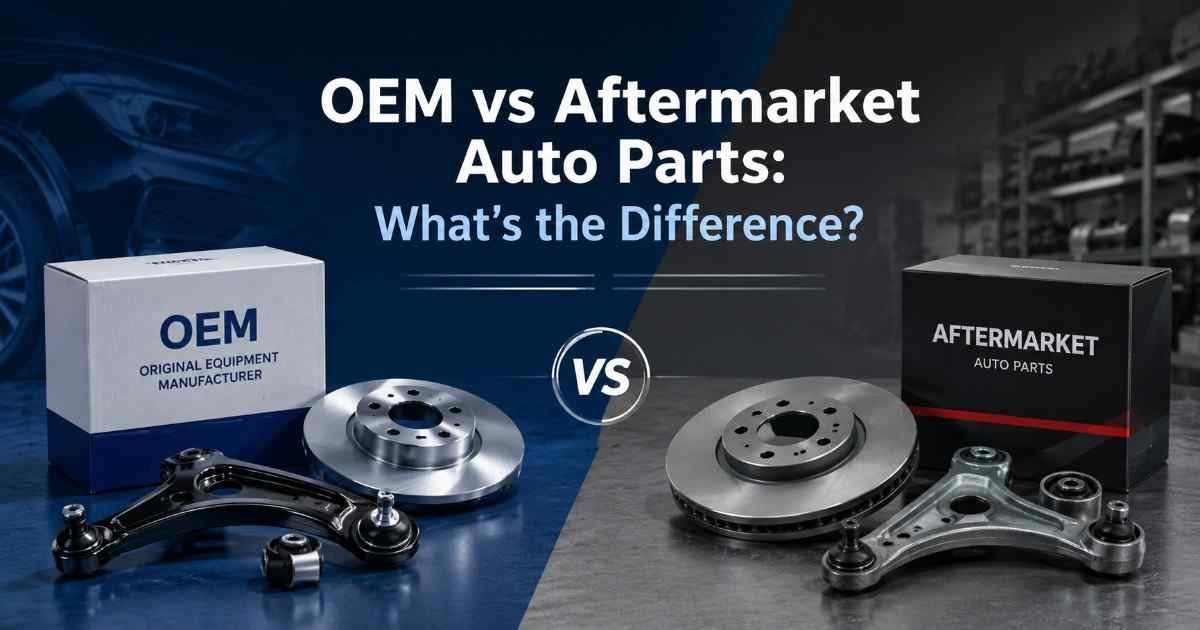
When replacing a vehicle component, one of the first decisions is whether to choose OEM automotive parts or aftermarket parts. Both are designed to replace worn or damaged components, but they differ in terms of manufacturing, quality, fit, pricing, and warranty.
Whether you’re an automotive manufacturer, distributor, repair workshop, fleet operator, or business sourcing components in bulk, understanding these differences can help you make the right choice.
In this article, we’ll explain what OEM parts and aftermarket parts are, how they differ, and when each option makes the most sense.
What Are OEM Automotive Parts?
OEM automotive parts are manufactured by the Original Equipment Manufacturer or an authorized supplier working for the vehicle brand. These are the same parts that are used when the vehicle is assembled at the factory.
OEM manufacturers follow strict engineering drawings, material specifications, and quality standards set by the vehicle company. As a result, every part is designed to fit perfectly and perform exactly like the original component.
Because of their consistent quality and reliability, OEM parts are widely used by vehicle manufacturers, authorized service centers, and businesses that prioritize long-term performance.
What Are Aftermarket Auto Parts?
Aftermarket auto parts are replacement components made by companies that are not associated with the original vehicle manufacturer. These companies design parts that can fit one or multiple vehicle models.
The aftermarket industry offers a wide variety of products, ranging from budget-friendly replacements to premium performance components. Since different manufacturers produce these parts, the quality, durability, and fit can vary from one brand to another.
Many aftermarket parts perform well, but buyers should carefully evaluate the manufacturer’s reputation before making a purchase.
OEM Parts vs Aftermarket Parts
Although both types of parts perform the same function, there are several important differences.
Manufacturing Standards
OEM parts are produced according to the exact specifications of the vehicle manufacturer. Every stage of production is closely monitored to ensure consistency and quality.
Aftermarket manufacturers develop their own production processes and standards. While some companies maintain high-quality manufacturing practices, others may focus more on reducing production costs.
Quality
Quality is one of the biggest reasons businesses choose OEM parts.
Since these parts are manufactured using approved materials and strict quality checks, they offer consistent performance and durability. Every component is designed to match the original part installed in the vehicle.
The quality of aftermarket parts depends entirely on the manufacturer. Premium aftermarket brands may offer products that perform similarly to OEM parts, while lower-cost options may not provide the same level of reliability.
Fit and Compatibility
One of the biggest advantages of OEM automotive parts is their precise fit.
Because they are designed specifically for a particular vehicle model, installation is usually straightforward and does not require modifications.
Some aftermarket parts fit equally well, but others may need adjustments during installation due to differences in design or manufacturing.
Pricing
OEM parts generally cost more because they are manufactured according to strict standards and are backed by the vehicle manufacturer.
Aftermarket parts are often available at lower prices because multiple companies compete in the market. This gives buyers more choices based on their budget.
Warranty
Most OEM parts come with a manufacturer’s warranty, providing additional confidence and protection.
Warranty coverage for aftermarket parts depends on the individual manufacturer. Some premium brands offer strong warranties, while others provide limited or no warranty.
Availability
OEM parts are usually available through authorized dealers and approved suppliers. Depending on the vehicle model, some components may require additional waiting time.
Aftermarket parts are widely available through distributors, retailers, and online suppliers, making them easier to source in many cases.
Benefits of Choosing OEM Parts
Many businesses and vehicle owners choose OEM parts because they offer dependable performance and long-term value.
Some of the key benefits include:
- Exact fit for the intended vehicle
- Consistent manufacturing quality
- Better reliability over time
- Reduced installation issues
- Manufacturer-backed warranty
- Compliance with original vehicle specifications
- Improved safety and performance
For businesses managing commercial fleets or manufacturing vehicles, these advantages help reduce maintenance costs and improve operational efficiency.
Benefits of Choosing Aftermarket Parts
Aftermarket parts also have several advantages, especially for buyers looking for flexibility and cost savings.
Some common benefits include:
- Lower purchase cost
- Wide range of brands and options
- Better availability for older vehicles
- Access to performance upgrades
- Multiple pricing choices
Choosing a trusted aftermarket manufacturer is important to ensure acceptable quality and durability.
When Should You Choose OEM Automotive Parts?
OEM automotive parts are often the better option when:
- The vehicle is still under warranty.
- Safety and reliability are top priorities.
- You need guaranteed compatibility.
- The vehicle is used for commercial operations.
- You want to maintain the original performance of the vehicle.
- Long-term maintenance costs are more important than the initial purchase price.
Businesses operating large fleets often rely on OEM parts because consistent quality helps reduce unexpected repairs and downtime.
When Are Aftermarket Parts a Better Choice?
Aftermarket parts can be suitable in situations where:
- Budget is the primary concern.
- The vehicle is older.
- OEM parts are difficult to source.
- Performance modifications are required.
- A reputable aftermarket manufacturer is available.
The key is selecting suppliers known for producing reliable and well-tested products.
Why OEM Manufacturers Matter in the Automotive Industry
The automotive industry depends on a strong network of OEM manufacturers that produce components for leading vehicle brands.
These manufacturers follow strict quality control processes and invest in advanced production technologies to deliver reliable products at scale.
Their capabilities often include:
- Precision engineering
- Automated manufacturing
- Material testing
- Product inspection
- Quality assurance systems
- Compliance with international standards
By maintaining consistent quality across every production batch, OEM manufacturers help automotive companies deliver safe and reliable vehicles.
The Growing Importance of OEM Automotive Manufacturing
India has become one of the world’s leading manufacturing hubs for automotive components. As global demand for vehicles continues to grow, businesses are increasingly looking for reliable OEM automotive manufacturing partners.
Modern OEM manufacturers supply precision-engineered components for passenger vehicles, commercial vehicles, electric vehicles, and industrial transportation systems.
With advanced manufacturing facilities, skilled engineering teams, and strong quality management systems, Indian OEM manufacturers continue to support both domestic and international automotive brands.
How to Select the Right OEM Parts Supplier
Choosing the right supplier is just as important as selecting the right component.
Before partnering with an OEM manufacturer, consider factors such as:
- Industry experience
- Manufacturing capabilities
- Quality certifications
- Production capacity
- Material expertise
- Testing and inspection processes
- On-time delivery performance
- Technical support
- Ability to provide customized manufacturing solutions
A reliable supplier can improve product quality, strengthen the supply chain, and support long-term business growth.
Conclusion
Both OEM and aftermarket parts have an important place in the automotive industry. The right choice depends on your business needs, budget, and performance expectations.
If your priority is quality, durability, safety, and exact fit, OEM automotive components are usually the preferred option. They are manufactured according to original specifications and deliver reliable performance throughout the vehicle’s life.
Aftermarket parts can be a practical choice for businesses looking to reduce costs or source replacement components quickly, provided they choose trusted manufacturers.
As automotive technology continues to evolve, the demand for reliable OEM parts will continue to grow. Businesses that partner with experienced OEM manufacturers benefit from consistent quality, dependable supply, and components that meet the highest industry standards.