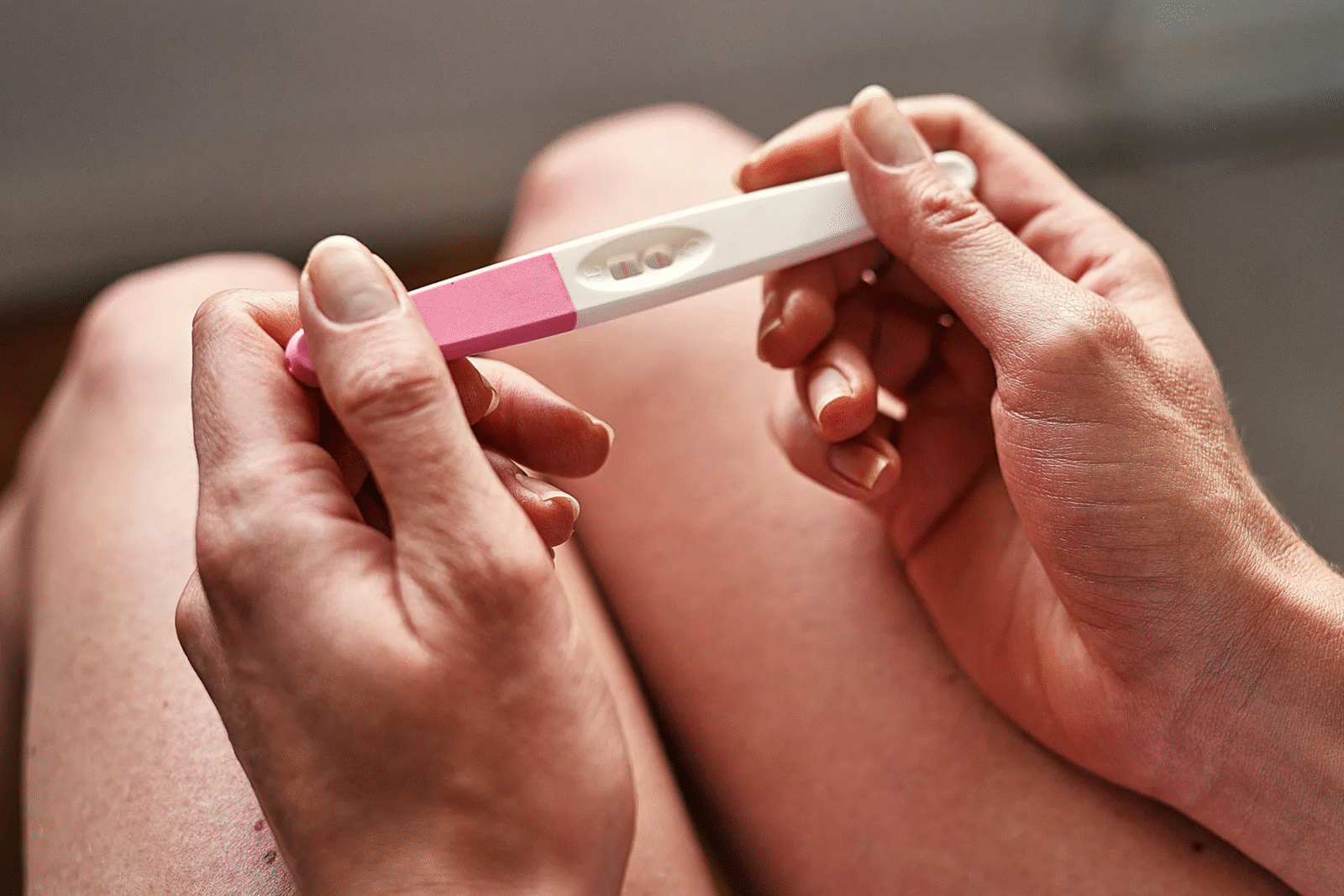
When you want to confirm a possible pregnancy, accuracy is one of the most important considerations. A Pregnancy Blood Test At Home in dubai can provide a convenient way to access professional blood testing without traveling to a clinic or laboratory. A Doctor at Home service may also help explain when testing is appropriate and how results should be interpreted. Pregnancy blood tests detect human chorionic gonadotropin (hCG), a hormone produced after implantation. When the blood sample is collected correctly and analyzed by an appropriate laboratory, blood testing can be a highly sensitive method for detecting hCG. However, accuracy depends on several factors, including the timing of testing, sample handling, laboratory procedures, and individual circumstances.
How Pregnancy Blood Tests Detect Pregnancy:
Pregnancy blood tests work by identifying hCG in a blood sample. After implantation, cells associated with the developing pregnancy begin producing hCG, and levels generally increase during early pregnancy. Blood tests can detect hCG in the bloodstream and may be performed as either qualitative or quantitative tests. A qualitative test generally provides a positive or negative result, while a quantitative test measures the amount of hCG present. Because blood testing can detect relatively low levels of the hormone, it can be useful for early pregnancy assessment. However, the presence or absence of detectable hCG depends strongly on when the test is performed.
How Timing Affects Test Accuracy:
Testing at the appropriate time is one of the most important factors affecting pregnancy test results. If a blood test is performed too soon after conception, implantation may not have occurred or hCG levels may still be too low for detection. This can produce a negative result even when pregnancy has eventually occurred. Ovulation and implantation do not happen at exactly the same time for every woman, which makes calendar-based predictions imperfect. Testing around or after the expected menstrual period may provide more meaningful information for many women, although individual circumstances vary. If pregnancy remains suspected after an early negative result, a healthcare professional may recommend repeat testing.
Qualitative Versus Quantitative Pregnancy Blood Tests:
There are two main types of pregnancy blood tests, and each provides different information. A qualitative test determines whether hCG is detected and generally reports a positive or negative result. A quantitative test measures the concentration of hCG in the bloodstream and provides a numerical value. Quantitative testing can be useful in certain situations where a healthcare professional wants to monitor changes in hCG over time. However, a single hCG measurement cannot independently determine whether a pregnancy is developing normally. Results should be considered alongside the timing of testing, symptoms, medical history, and other clinical assessments.
Does Home Testing Affect Accuracy:
The fact that blood is collected at home does not automatically make the pregnancy test less accurate. The important factors are the quality of sample collection, correct labeling, appropriate storage and transportation, and reliable laboratory analysis. A professional home healthcare service should use trained personnel and follow appropriate specimen-handling procedures. The laboratory receiving the sample should also have suitable processes for testing and reporting results. Patients considering home testing should therefore focus on the credentials of the provider and laboratory rather than assuming that clinic-based testing is always more accurate.
Factors That Can Affect Pregnancy Test Results:
Several factors can influence the interpretation of a pregnancy blood test. Testing too early is one of the most common reasons for a negative result when pregnancy may still be possible. Other circumstances can also affect hCG measurements or how the result is interpreted. These may include:
- Testing before sufficient hCG has developed.
- Differences in ovulation and implantation timing.
- Incorrect sample collection or handling.
- Laboratory or specimen-processing issues.
- Certain medications or medical conditions.
- Misinterpreting a result without considering its timing.
Providing accurate medical and menstrual information to the healthcare professional can help put the laboratory result into the correct context.
How Reliable Are Home Blood Sample Collection Services:
A professional home blood collection service can provide a testing experience similar to the initial sample-collection stage of clinic testing. The healthcare professional should verify patient information, use sterile equipment, collect the appropriate amount of blood, label the sample correctly, and ensure suitable transportation to the laboratory. These steps are important because errors in specimen identification or handling can compromise laboratory testing. Before booking a service, patients should ask who will collect the sample, where the sample will be analyzed, how long results usually take, and how the report will be delivered. Selecting a reputable provider can help reduce concerns about the testing process.
Pregnancy Blood Test Compared With Home Urine Testing:
Home urine pregnancy tests are popular because they are inexpensive, accessible, and simple to use. Blood testing differs because it requires professional sample collection and laboratory analysis. Blood tests may detect lower concentrations of hCG and quantitative tests can provide a numerical measurement. However, urine tests can be highly useful when performed correctly and at an appropriate time. A negative urine test does not necessarily mean that a woman is not pregnant if the test was performed very early. If results are unclear or inconsistent with the menstrual cycle or symptoms, discussing further testing with a healthcare professional may be appropriate.
When Should You Consider a Pregnancy Blood Test:
There are several circumstances in which a pregnancy blood test may be worth considering. Women may seek testing after a missed period, following a positive urine test, or when pregnancy remains suspected despite an early negative urine test. Blood testing may also be recommended as part of fertility treatment or when a healthcare professional needs quantitative hCG information. Potential reasons to consider testing include:
- A missed or delayed menstrual period.
- A positive home urine pregnancy test.
- Persistent suspicion of pregnancy after an early negative test.
- Irregular menstrual cycles that make timing difficult.
- Fertility treatment requiring scheduled hCG testing.
- A healthcare professional’s recommendation for quantitative testing.
The most appropriate timing depends on individual circumstances and should be discussed with a qualified healthcare professional when uncertain.
How to Improve the Reliability of Home Pregnancy Testing:
Patients can take several steps to support a reliable testing experience. First, choose a reputable healthcare provider with qualified professionals and appropriate laboratory services. Second, provide accurate information about menstrual history and previous testing. Third, follow any preparation instructions and ensure that the sample is collected at an appropriate time. Patients should also understand how and when results will be provided. Practical steps include:
- Choose a professional home healthcare provider.
- Confirm that samples are processed by a reliable laboratory.
- Provide accurate menstrual and medical information.
- Follow all preparation instructions.
- Ask about the expected result turnaround time.
- Discuss unexpected results with a healthcare professional.
These measures can help minimize avoidable problems and make laboratory results easier to interpret.
Understanding a Positive or Negative Result:
A positive blood pregnancy test generally means that hCG has been detected and should be followed by appropriate medical care. A negative result means that hCG was not detected at the level measured by the test, but an early test may require repetition if pregnancy remains possible. Patients should avoid interpreting a single result without considering when the test was performed. If a result does not match the circumstances, a healthcare professional may recommend repeat blood testing or other evaluation. Once pregnancy is confirmed, appropriate prenatal care should be arranged. Symptoms such as severe abdominal pain, heavy bleeding, fainting, or significant dizziness require prompt medical evaluation rather than relying solely on a pregnancy test.
Choosing a Reliable Home Pregnancy Testing Provider:
When selecting a home testing service, convenience should be considered alongside quality and professionalism. Patients should look for providers that use trained healthcare professionals for sample collection and work with reliable laboratories for analysis. It is also helpful to confirm the process for receiving results and whether follow-up guidance is available. Important questions to ask include:
- Who will collect the blood sample?
- Where will the sample be analyzed?
- How is the sample transported?
- How long will results take?
- How will the laboratory report be delivered?
- Is professional follow-up available if the result is positive or unclear?
A transparent provider should be able to explain these details before the appointment.
Final Thoughts:
Pregnancy blood tests can be a highly sensitive way to detect hCG, and collecting the sample at home does not inherently reduce accuracy. A Pregnancy Blood Test At Home in dubai can provide reliable laboratory-based testing when performed at an appropriate time, collected correctly, and processed through a dependable laboratory. Timing remains one of the biggest influences on results because hCG levels rise during early pregnancy. Choosing a reputable provider, providing accurate health information, and following professional guidance can help improve the overall testing experience. If a result is unexpected or pregnancy symptoms continue despite a negative test, discussing repeat testing with a qualified healthcare professional is an important next step.