Surgical outcomes depend on the tools placed in a professional’s hands. Among the most trusted instruments in gynecological, general, and specialized procedures is the tenaculum forceps. Designed to grasp, hold, and stabilize tissue with confidence, this instrument gives surgeons the control they need during delicate operations. Whether you manage a hospital procurement list or run a private surgical practice, understanding how this tool works will help you make smarter purchasing decisions.
What Are Tenaculum Forceps?
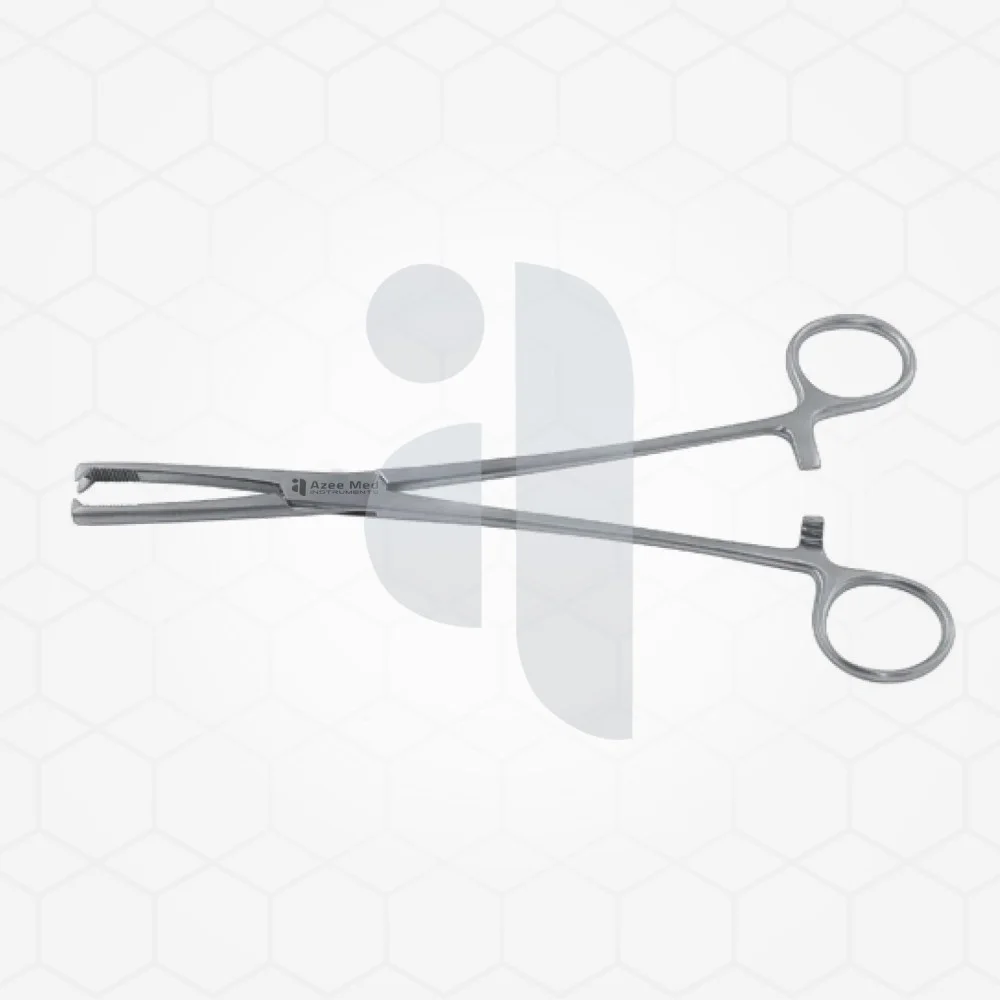
Tenaculum forceps are hook-tipped surgical instruments used to grasp and secure tissue, most commonly the cervix, during examinations and procedures. Their sharp, pointed tips allow the surgeon to hold slippery or mobile tissue firmly in place, reducing movement and improving accuracy. The design typically includes a ratchet-locking handle, which keeps the instrument closed without constant hand pressure. This frees the surgeon to focus on the procedure rather than maintaining a manual grip.
These instruments come in single-tooth and multi-tooth variations, each suited to specific clinical needs. The choice depends on the type of tissue being handled and the level of holding strength required. Because they play such a direct role in patient safety, quality and consistency matter more than almost any other factor.
How Diamond Jaws Improve Grip and Precision
The performance of any grasping instrument comes down to the jaws, and this is where diamond jaws make a meaningful difference. Diamond jaws feature a finely textured, cross-hatched surface that dramatically increases friction between the instrument and the tissue or needle it holds. This texture prevents slippage, allowing the surgeon to apply steady, controlled pressure without crushing or tearing delicate structures.
When diamond jaws are built into tenaculum forceps, the result is a stronger, more secure hold with less applied force. That balance is critical during long procedures, where fatigue and reduced grip can compromise precision. The diamond pattern also distributes contact evenly across the jaw surface, protecting tissue integrity while maintaining a firm grasp. For surgeons who demand accuracy, this small design detail delivers a major functional advantage.
Choosing the Right Instrument for Your Practice
Selecting the correct tenaculum depends on the procedure, the tissue type, and personal surgeon preference. Material quality is the first consideration. High-grade surgical stainless steel resists corrosion, withstands repeated sterilization, and maintains a sharp, reliable tip over years of use. Poorly made instruments dull quickly, corrode, and put both efficiency and patient safety at risk.
Jaw design is the next priority. Consider whether a single-tooth or multi-tooth configuration best suits your caseload, and confirm that the locking mechanism engages smoothly. A well-balanced handle reduces hand strain during extended use. When you invest in a quality tenaculum forceps set, you are investing in consistent performance across every case.
Why Quality Manufacturing Matters
The difference between an average instrument and an exceptional one lies in the craftsmanship. Precision machining, careful finishing, and rigorous quality control ensure that each instrument performs exactly as expected. This consistency builds trust between the manufacturer and the medical professionals who rely on these tools daily.
Azeemed Instruments is dedicated to providing high-quality surgical tools that meet the needs of professionals. That commitment shows in every detail, from material selection to final inspection. When you choose tenaculum forceps built to strict standards, you gain instruments that support better outcomes and stand up to the demands of a busy surgical environment.
Care and Maintenance for Long-Term Reliability
Proper care extends the life of any surgical instrument. After each use, clean the forceps thoroughly to remove tissue and fluids before sterilization. Pay close attention to the jaws and the hinge, where debris tends to collect. Regular inspection helps you catch early signs of wear, dulling, or misalignment before they affect performance.
Store instruments in a dry, protected space to prevent corrosion and accidental damage to the tips. Following the manufacturer’s sterilization guidelines keeps the metal in optimal condition. With consistent maintenance, well-made tenaculum forceps will deliver dependable service for years, protecting both your investment and your patients.
Final Thoughts
The right surgical instrument does more than complete a task; it supports precision, safety, and confidence in every procedure. By understanding the design features, material quality, and maintenance needs of these tools, you can equip your practice with instruments that truly perform. Prioritize proven craftsmanship, choose designs suited to your clinical needs, and partner with a manufacturer committed to excellence. That approach ensures every case begins with the right tool in hand.