PRP treatment, or Platelet-Rich Plasma treatment, is a regenerative procedure that uses components of a person’s own blood to support tissue repair and natural healing. It has become increasingly popular in aesthetic and hair restoration settings because it uses the body’s own biological resources rather than relying on synthetic substances.
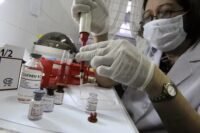
The treatment begins with a small blood sample. This sample is processed to separate plasma containing a higher concentration of platelets. The prepared plasma is then carefully applied or injected into the targeted area, depending on the purpose of treatment.
For hair restoration, PRP is commonly used to support weakened hair follicles and improve the condition of the scalp. Understanding how the procedure works, what to expect, and who may benefit from it can help patients make an informed decision.
How Does PRP Treatment Work?
The basic principle behind PRP is the role of platelets in the body’s natural healing process. Platelets contain various growth factors and proteins that participate in tissue repair and cellular communication.
During treatment, a small amount of blood is collected from the patient. It is placed into a specialized centrifuge that separates its components. The platelet-rich portion is then prepared for use.
When this concentrated plasma is introduced into the treatment area, the growth factors released by platelets may help support the local healing environment. In hair-related applications, the goal is to encourage healthier follicular activity and improve the overall condition of the scalp.
The exact response can vary from person to person, so treatment should be planned after an appropriate assessment.
What Happens During the Procedure?
A typical session is relatively straightforward. First, the treatment area is examined, and the patient’s concerns and medical history may be discussed.
A small blood sample is then taken, usually from the arm. The sample is processed to separate the platelet-rich plasma from other blood components.
For scalp treatment, the prepared plasma is delivered into selected areas using fine injections. A topical anesthetic may be used when appropriate to make the procedure more comfortable.
The complete appointment often takes less than an hour, although the exact duration depends on the treatment area and clinical protocol.
How Can It Help With Hair Loss?
Hair loss can have many causes, including genetics, hormonal changes, nutritional deficiencies, stress, and certain medical conditions. PRP is generally considered a supportive treatment rather than a universal solution for every type of hair loss.
For people with suitable forms of hair thinning, treatment aims to create a healthier environment around existing follicles. It may help improve the appearance of hair density and thickness when follicles are still capable of producing hair.
The results are generally more promising when treatment begins before significant follicular loss has occurred. A consultation with a qualified professional can help determine whether the procedure is appropriate.
How Many Sessions Are Usually Needed?
There is no single treatment schedule that works for everyone. The number of sessions depends on the severity of hair thinning, the patient’s response, and the clinic’s treatment protocol.
Some patients may receive a series of sessions spaced several weeks apart, followed by maintenance treatments if recommended. Because hair growth is a gradual biological process, results should not be judged immediately after one appointment.
A personalized treatment plan is usually more appropriate than following a fixed schedule without professional assessment.
When Can You Expect Results?
PRP does not usually produce instant changes. Hair growth takes time because follicles follow natural growth cycles.
Some patients may notice reduced shedding or improvements in hair quality before visible changes in density become apparent. More noticeable results can take several months, particularly when treatment is being used to support hair growth.
Individual outcomes depend on factors such as the cause of hair loss, age, general health, follicle condition, and consistency with the recommended treatment plan.
Is There Any Downtime?
One advantage of the procedure is that it generally involves little downtime. Mild redness, tenderness, swelling, or sensitivity can occur around injection sites, particularly shortly after treatment.
These effects are usually temporary. Patients may be advised to avoid strenuous activity, excessive heat, or certain hair products for a short period following treatment.
Following aftercare instructions carefully can help reduce irritation and support a comfortable recovery.
Who May Be a Suitable Candidate?
PRP may be considered for adults experiencing certain types of hair thinning where viable follicles remain. It may be particularly useful for people who want a minimally invasive option that uses their own blood components.
However, it is not suitable for everyone. Certain blood disorders, infections, medication use, or underlying medical conditions may affect eligibility.
A proper consultation is important before starting treatment. The provider should identify the cause of hair loss and determine whether regenerative treatment is likely to be beneficial.
What Factors Affect the Results?
Several factors can influence treatment outcomes. The underlying cause of hair loss is particularly important. Genetic hair loss, for example, may require a broader long-term management approach.
Other factors include the patient’s overall health, nutritional status, age, follicle condition, treatment technique, and adherence to follow-up recommendations.
It is also important to maintain realistic expectations. PRP is intended to support existing biological processes, not guarantee complete restoration of hair that has been permanently lost.
Final Thoughts
PRP treatment offers a minimally invasive approach that uses concentrated components of the patient’s own blood to support natural repair processes. In hair restoration, it may help create a more supportive environment for weakened follicles and improve the appearance of thinning hair in suitable candidates.
The treatment works gradually, and results can differ between individuals. A professional evaluation is therefore essential before deciding whether it is the right option. With an appropriate diagnosis and realistic expectations, PRP can be considered as part of a personalized approach to managing hair thinning and supporting healthier-looking hair.
For more information visit Enfield royal clinic in islamabad