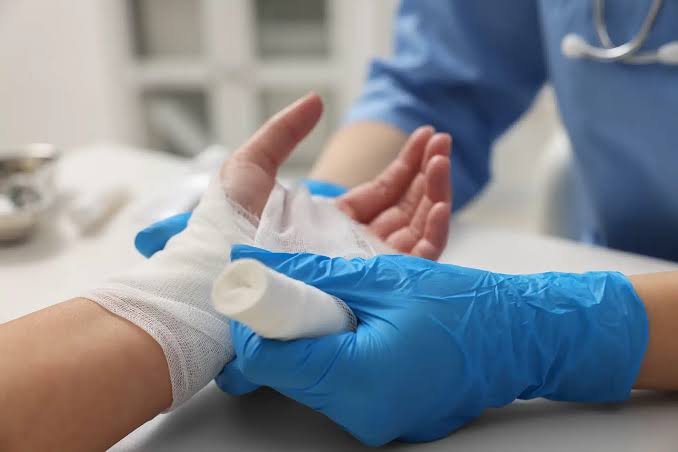
Caring for a wound at home can be an important part of recovery, particularly when a family member needs regular dressing changes after surgery, an injury, or during treatment for a chronic wound. Wound Dressing at Home in Dubai provides a convenient option for suitable patients who need ongoing wound-care support without frequent trips to a clinic. With professional assistance and access to a trusted Doctor at Home service when medical assessment is needed, families can receive guidance while the patient remains in a familiar environment. Safe wound dressing requires good hygiene, appropriate supplies, careful handling, and regular observation for signs that may require professional attention.
Understanding Wound Dressing at Home:
Wound dressing at home involves protecting and caring for an injured area according to instructions from a healthcare professional. Depending on the wound, care may include removing an existing dressing, assessing the wound, cleaning it using the recommended method, applying a suitable new dressing, and securing it properly. Simple wounds may sometimes be managed by patients or trained family caregivers after receiving appropriate instructions, while postoperative, chronic, or complex wounds may require professional nursing support. The correct approach depends on the wound’s location, size, depth, drainage, healing stage, and the patient’s overall health.
Why Safe Wound Dressing Matters:
A wound needs appropriate protection while the body repairs damaged tissue. A suitable dressing can help protect the wound from external contaminants, absorb drainage, reduce friction, and support an appropriate healing environment. Poor hygiene, unsuitable dressing materials, or incorrect handling can irritate the wound or interfere with recovery. Regular dressing changes also provide an opportunity to observe the wound and surrounding skin for changes. Families should always follow the specific care instructions provided by the healthcare team because wound-care requirements differ between patients.
Preparing a Clean Wound-Care Area:
Before beginning a dressing change, families should prepare a clean, well-lit area where the patient can remain comfortable. All necessary supplies should be collected in advance so the wound does not have to remain exposed while someone searches for materials. The working surface should be clean and free from unnecessary objects, food, dust, and other potential contaminants. A calm and organized setup can also help reduce anxiety for patients who are uncomfortable with wound-care procedures. Family caregivers should know the care instructions before beginning and should ask a healthcare professional if any part of the process is unclear.
Essential Supplies for Home Wound Dressing:
The supplies needed depend on the wound and the care plan. Families should use only the products recommended by their healthcare professional rather than selecting dressing materials based solely on convenience. Appropriate supplies can help maintain hygiene and make the dressing procedure more organized. Depending on the wound, the care kit may include:
- Recommended wound dressing
- Medical gloves
- Appropriate wound-cleaning solution
- Sterile gauze when advised
- Medical tape or suitable fixation materials
- Disposable waste bags
- Any prescribed or professionally recommended wound-care products
Wash Hands Before and After Dressing Changes:
Hand hygiene is one of the most important steps in safe wound care. Family caregivers should wash their hands thoroughly with soap and water before preparing the supplies and before handling the wound or dressing. Gloves should be used when recommended by the healthcare professional, but wearing gloves does not replace hand hygiene. After the dressing has been changed and used materials have been disposed of, hands should be washed again. Keeping hands clean helps reduce unnecessary contamination and supports safer wound management.
Remove the Old Dressing Carefully:
An old dressing should be removed gently to avoid disturbing healing tissue. Family caregivers should follow the removal instructions provided by the healthcare professional, particularly if the dressing appears to be attached to the wound. Pulling an adhered dressing forcefully can cause pain and potentially damage fragile tissue. Once the dressing has been removed, it should be disposed of appropriately. The caregiver can then observe the wound and surrounding skin for changes before continuing with the next step of the care plan.
Clean the Wound as Instructed:
Wound cleaning should follow the specific instructions provided by a healthcare professional. The appropriate cleaning method depends on the type and condition of the wound. Families should avoid applying alcohol, hydrogen peroxide, powders, herbal preparations, or other household substances unless specifically recommended. Some products may irritate healing tissue or interfere with recovery. Cleaning should be gentle, and unnecessary rubbing or manipulation should be avoided. If caregivers are uncertain about which cleaning solution or technique to use, they should seek professional guidance rather than experimenting with different products.
Apply and Secure the New Dressing:
Once the wound has been cared for according to the treatment plan, the recommended dressing should be applied carefully. The wound-contact surface should not be touched unnecessarily, and the dressing should adequately cover the affected area. It should be secured according to professional instructions without excessive pressure. A dressing that is too tight may cause discomfort, while one that is too loose may fail to provide adequate protection. Caregivers should check that the dressing remains comfortably positioned and does not interfere with normal circulation or movement.
Follow the Recommended Dressing Schedule:
The frequency of dressing changes varies depending on the wound, drainage, dressing material, and healthcare professional’s instructions. Some dressings may remain in place for several days, while others require more frequent replacement. Families should not automatically change a dressing every day unless instructed to do so. Unnecessary removal can disturb healing tissue, while a dressing that becomes wet, heavily soiled, loose, or saturated may require attention sooner. Following the individualized schedule helps maintain appropriate wound protection while allowing healthcare professionals to monitor progress.
Monitor the Wound for Changes:
Family caregivers can play an important role in monitoring wound recovery between professional visits. During dressing changes, they should observe the wound without unnecessarily touching or manipulating it. Changes in drainage, redness, swelling, pain, odor, or surrounding skin should be noted and reported when appropriate. A wound that gradually improves may show reduced discomfort and drainage, but every wound heals differently. Families should avoid relying on comparisons with online photographs and should contact a healthcare professional when they are uncertain about a significant change.
Warning signs to watch for include:
- Increasing redness around the wound
- Worsening swelling
- Increasing or severe pain
- Pus or unusual drainage
- Foul odor
- Persistent or increasing bleeding
- Wound edges separating
- Dark or unusual tissue color
- Fever or chills
- Sudden deterioration in wound appearance
Recognizing Possible Wound Infection:
Infection is one of the complications families should understand when providing home wound care. Increasing redness, warmth, swelling, pain, pus, unusual drainage, or unpleasant odor may indicate a problem that requires professional assessment. Fever or chills can also be concerning, especially when they occur alongside worsening wound symptoms. Families should not attempt to treat a suspected infection solely by changing the dressing or applying unapproved products. Prompt communication with a healthcare professional can help determine whether additional evaluation or treatment is needed.
Common Wound Dressing Mistakes to Avoid:
Families may unintentionally make wound care more difficult by using inappropriate products, handling the wound unnecessarily, or changing dressings without following professional instructions. Reusing disposable materials can increase contamination risk, while forceful removal of an adhered dressing may damage healing tissue. Another common mistake is ignoring worsening symptoms because the wound is being dressed regularly. Dressing changes are important, but they do not replace proper wound assessment when complications develop.
Avoid:
- Touching the wound unnecessarily
- Using unapproved household remedies
- Reusing disposable dressing materials
- Removing an adhered dressing forcefully
- Applying excessive pressure
- Changing dressings without following instructions
- Ignoring increasing pain or swelling
- Delaying medical assessment when warning signs appear
When Should a Family Ask for Professional Help?:
Professional wound care may be appropriate when family caregivers are uncomfortable performing dressing changes, when the wound requires specialized materials, or when regular assessment is necessary. Home nursing support can be particularly useful after certain surgeries, for selected chronic wounds, and for patients with limited mobility. However, some situations require more urgent medical attention rather than routine home dressing. Deep wounds, extensive tissue damage, uncontrolled bleeding, severe burns, rapidly worsening wounds, or symptoms of serious infection should be evaluated promptly by an appropriate healthcare professional.
Benefits of Professional Wound Dressing at Home:
Professional home wound care can provide families with reassurance and practical support while allowing patients to remain at home. A qualified nurse can assess the wound, follow appropriate infection-control practices, apply recommended dressings, monitor changes, and educate family caregivers. This can reduce the burden on family members who may not have previous wound-care experience. Home visits can also make regular care more accessible for elderly patients, postoperative patients, and individuals with mobility limitations.
Benefits may include:
- Professional wound assessment
- Appropriate dressing techniques
- Convenient care in the home
- Regular monitoring of healing
- Family caregiver education
- Reduced travel requirements
- Support for consistent wound-care routines
How Families Can Support Overall Wound Recovery:
Dressing changes are only one part of a patient’s recovery. Families can support healing by helping the patient follow the healthcare professional’s instructions, maintain appropriate hygiene, protect the wound from unnecessary pressure or friction, and attend recommended follow-up appointments. Adequate nutrition and hydration can support normal body functions involved in tissue repair, while underlying medical conditions should be managed according to professional advice. Families should also encourage patients to report new or worsening symptoms rather than hiding discomfort or waiting until the next scheduled dressing change.
Choosing a Wound Dressing Service in Dubai:
When professional support is needed, families should consider the qualifications and experience of the healthcare professionals, infection-control procedures, availability of home visits, and the types of wounds the provider can manage. A reliable provider should offer an individualized wound-care plan and communicate clearly with patients and caregivers. It is also useful to select a service that can recommend further medical assessment if the wound shows signs of infection, delayed healing, or other complications. Choosing appropriate professional support can make home wound care safer and easier for the entire family.
Frequently Asked Questions About Family Wound Dressing:
Can a family member change a wound dressing? Some simple wounds can be managed by trained caregivers after receiving appropriate instructions. Complex or postoperative wounds may require professional nursing care.
How often should a wound dressing be changed? The schedule depends on the wound, dressing type, drainage, and healthcare professional’s instructions.
What should we do if the dressing becomes wet? Follow the specific instructions provided by the healthcare professional. Some dressings require replacement when wet, while others have different moisture-management requirements.
Can household products be used to clean wounds? Families should avoid using unapproved household products on an open wound. Follow the cleaning method recommended by a qualified healthcare professional.
When should we seek medical help? Seek professional assessment for increasing redness, swelling, severe pain, unusual drainage, foul odor, fever, wound separation, uncontrolled bleeding, or other significant changes.
Final Thoughts:
Safe family wound care requires preparation, good hygiene, appropriate dressing materials, gentle handling, and regular monitoring. Wound Dressing at Home in Dubai can provide convenient professional support for suitable patients while helping families manage routine wound-care needs more confidently. Family caregivers should follow the patient’s individualized care plan and avoid unapproved treatments or unnecessary dressing changes. When a wound shows signs of infection, severe injury, delayed healing, or sudden deterioration, professional medical assessment should take priority over home dressing alone.