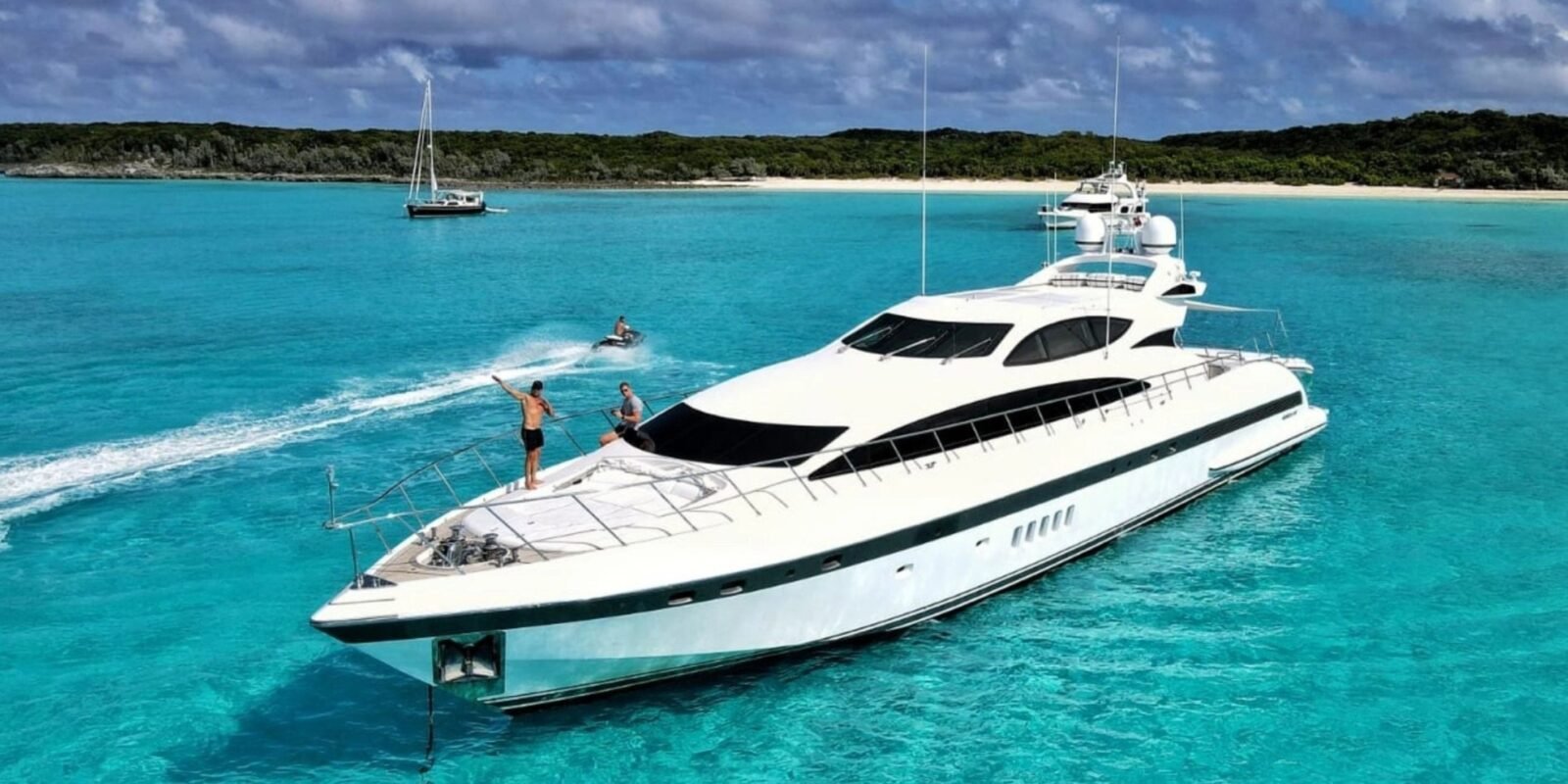
Registering a yacht in the UK gives owners legal recognition, international credibility, and access to the protections offered by British maritime law. Whether you own a small pleasure craft or a large commercial vessel, understanding the registration process helps you avoid delays, rejected applications, and unnecessary costs. This guide walks you through everything you need to know about UK yacht registration, from choosing the right register to completing your application correctly.
What Is UK Yacht Registration?
UK yacht registration is the official process of recording a vessel’s ownership, nationality, and specifications with the UK Ship Register. The Maritime and Coastguard Agency (MCA) administers this register under the Merchant Shipping Act 1995. Once registered, a yacht can legally fly the British Red Ensign, enter foreign ports as a UK-flagged vessel, and, in some cases, carry a registered marine mortgage.
Owners often confuse registration with licensing. Registration establishes a vessel’s nationality and legal status, while licensing usually applies to boats used on inland waterways such as rivers and canals. If you plan to sail internationally, registration through the UK Ship Register is the relevant process.
The Four Parts of the UK Ship Register
The UK Ship Register splits into four parts, and the right one depends on how you use your yacht:
- Part 1 – covers commercial vessels and pleasure yachts of any size, including those over 24 metres. It records full ownership history and supports marine mortgages.
- Part 2 – applies to fishing vessels that catch sea fish for profit.
- Part 3 (Small Ships Register, or SSR) – a simplified option for UK residents with pleasure vessels under 24 metres.
- Part 4 – allows foreign-registered vessels chartered to British companies to sail under the UK flag temporarily.
Most private yacht owners choose between Part 1 and the Small Ships Register. Part 1 offers stronger legal protection and title security, since it verifies ownership and allows a mortgage to be recorded against the vessel. The Small Ships Register is faster and cheaper but does not provide the same level of title verification.
Part 1 vs Small Ships Register: Which Should You Choose?
The right choice depends on your goals as an owner. Consider the following factors before applying:
- Vessel size: Part 1 suits yachts of any length, including those over 24 metres, while the SSR only covers vessels under 24 metres.
- Ownership structure: Corporate owners, SPVs, and international buyers typically need Part 1, since it supports company ownership and non-resident applicants.
- Financing: If you plan to secure a marine mortgage, Part 1 is the only option that allows this.
- Time abroad: Part 1 registration lets owners spend more than six months outside the UK, which matters for long-distance cruising.
If you simply want a straightforward way to prove nationality for coastal and short international trips, the Small Ships Register is usually sufficient and involves less paperwork.
Eligibility Requirements
Eligibility rules changed after Brexit, and the current framework is broader than many owners expect. You can register a vessel under the UK flag if you are a UK or EU national, a UK company, or a resident of the UK. Eligibility has also been extended to Commonwealth citizens and countries, along with citizens and companies of several other named countries, including the United States, Japan, Switzerland, and the United Arab Emirates.
For the Small Ships Register specifically, the vessel must be under 24 metres, used only for personal leisure, and owned by someone who is ordinarily resident in the UK.
Step-by-Step Registration Process
Once you know which part of the register applies to your yacht, the application follows a fairly standard sequence:
- Create an account with the UK Ship Register’s online service or download the relevant paper form for postal applications.
- Choose a vessel name. Names on Part 1 and Part 4 must be unique across the register.
- Gather supporting documents, including proof of ownership, builder’s certificates, and tonnage measurements where applicable.
- Submit the application along with the registration fee.
- Receive a carving and marking note, which requires the vessel’s official number and tonnage to be permanently marked on the hull.
- Confirm marking by certifying to the Registrar that the vessel has been properly marked.
- Receive your Certificate of Registry, valid for five years before renewal is required.
Skipping steps or submitting incomplete documentation is the most common reason applications stall. Reviewing the checklist for your chosen register part before you start saves significant time.
Documents You’ll Typically Need
Requirements vary by vessel type and register part, but most Part 1 applications ask for:
- Evidence of title or proof of ownership
- A tonnage and measurement survey
- Radio signal details, including MMSI number and call sign where applicable
- A builder’s certificate
- Safety certificates for commercial vessels
Small Ships Register applications require less documentation, generally limited to proof of UK residency, evidence of ownership, and basic vessel details.
Costs and Renewal
Registration fees depend on the register part and vessel size. Part 1 registration for a pleasure or commercial boat currently costs around £153 for a five-year term, though additional survey and administrative costs can apply depending on vessel complexity. The Small Ships Register is generally the more affordable route, reflecting its simplified documentation requirements.
Both registers require renewal after five years. Many owners set a reminder well ahead of the expiry date, since an outdated certificate can cause problems when entering foreign ports or renewing insurance.
Benefits of Registering Under the UK Flag
Owners register with the UK Ship Register for several practical reasons:
- Internationally recognised proof of ownership and nationality
- The ability to fly the British Red Ensign, which carries global recognition and credibility
- Access to marine mortgage registration under Part 1
- Easier entry into European and international marinas and ports
- Legal protection under a well-established maritime framework
For yachts intended for offshore cruising, financing, or resale, a UK registration often adds long-term value and simplifies dealings with banks, insurers, and port authorities.
Common Mistakes to Avoid
Many delays come down to avoidable errors. Watch out for:
- Choosing the wrong register part for your vessel’s size or use
- Submitting incomplete ownership documentation
- Forgetting to mark the vessel with its official number after approval
- Missing the five-year renewal deadline
- Assuming residency or citizenship rules haven’t changed since Brexit
Double-checking current eligibility criteria before applying prevents most of these issues.
Frequently Asked Questions
Do I need to register my yacht to sail in UK waters? You generally need to register or licence your boat if you use inland waterways such as rivers and canals. For sea-going pleasure craft used internationally, registering with the UK Ship Register establishes nationality and is strongly recommended even where not strictly mandatory.
What’s the difference between Part 1 and the Small Ships Register? Part 1 verifies ownership history and allows a marine mortgage to be registered. The Small Ships Register offers a simpler, faster process but doesn’t provide the same title verification.
Can a non-UK resident register a yacht under Part 1? Yes. Part 1 registration accepts eligible non-residents, including citizens and companies from several named countries, provided the ownership structure meets UK registry requirements.
How long does UK yacht registration last? Both Part 1 and Small Ships Register certificates are valid for five years, after which renewal is required.
Is UK yacht registration suitable for commercial vessels? Yes. Commercial and merchant vessels register under Part 1, though larger commercial yachts operating under codes such as LY3 may need additional documentation.
Final Thoughts
Choosing the right part of the UK Ship Register, preparing accurate documentation, and understanding current eligibility rules make the registration process far smoother. Whether you’re registering a small pleasure craft on the Small Ships Register or securing full title protection through Part 1, taking the time to get the details right upfront saves time, money, and frustration down the line.