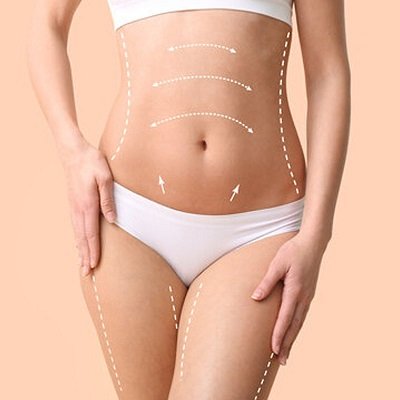
Weight management is often discussed in terms of appearance, clothing sizes, or numbers on a weighing scale. However, maintaining a healthy weight can have a much broader impact on overall well-being. For people who have struggled to lose excess weight through diet and exercise alone, Weight Loss Treatment may provide additional support as part of a medically guided approach.
Weight loss treatment can include lifestyle changes, nutritional guidance, behavioral support, prescription medications, and, for some people, medical procedures. The most suitable approach depends on a person’s health, weight-related risks, medical history, lifestyle, and individual goals.
The purpose of weight loss treatment is not simply to make a person lighter. Sustainable weight management can potentially improve several aspects of health, including blood sugar control, blood pressure, mobility, sleep, cardiovascular health, and quality of life. At the same time, treatment should be approached realistically because results vary from person to person, and no single method works equally well for everyone.
What Is Weight Loss Treatment?
Weight Loss Treatment refers to medically or professionally guided strategies designed to help a person reduce excess body weight and maintain healthier habits over time. Treatment can range from relatively simple lifestyle interventions to medications or procedures, depending on the individual’s circumstances.
For some people, weight management may begin with changes to eating patterns, physical activity, sleep, stress management, and daily routines. When these measures do not produce sufficient results, a qualified healthcare professional may consider additional options.
Prescription weight loss medications may be appropriate for certain individuals who meet specific health or weight-related criteria. These medications work in different ways. Some may influence appetite, hunger signals, or feelings of fullness, while others can affect how the body processes nutrients.
In selected cases, weight-loss procedures may also be considered. These are generally intended for people with significant obesity or weight-related health concerns when other approaches have not provided adequate results.
An important point is that Weight Loss Treatment should be individualized. A treatment that works well for one person may not be suitable for another. Medical supervision can help identify potential risks, monitor progress, and make adjustments when necessary.
How Can Weight Loss Improve Overall Health?
Excess body weight can place additional stress on multiple systems throughout the body. Losing even a modest amount of weight may provide health benefits for some people, particularly when weight loss is achieved gradually and accompanied by healthier lifestyle habits.
One potential benefit is improved blood sugar management. Excess body fat, particularly around the abdomen, can be associated with insulin resistance. Weight reduction may improve the body’s ability to respond to insulin and can be particularly helpful for people who have prediabetes or type 2 diabetes.
Weight loss may also support healthier blood pressure levels. Carrying excess weight can increase the workload placed on the heart and blood vessels. Reducing body weight, combined with appropriate dietary and activity changes, may contribute to better cardiovascular health.
Another important area is cholesterol and blood lipid management. Healthier eating habits, increased physical activity, and weight reduction may improve certain cholesterol and triglyceride levels, potentially reducing some long-term cardiovascular risks.
Joint health can also benefit. Extra body weight places greater mechanical stress on weight-bearing joints such as the knees, hips, and ankles. Losing weight can reduce this burden and may make everyday movement more comfortable for some individuals.
Sleep is another area where weight management may make a difference. Excess weight is associated with a higher risk of obstructive sleep apnea, a condition that can interrupt normal breathing during sleep. Weight reduction may help improve symptoms in some people, although sleep apnea requires proper medical assessment and should not be managed through weight loss alone.
Which Health Conditions May Benefit From Weight Management?
Weight management can be especially important when excess weight occurs alongside other health conditions. Although weight loss does not guarantee that a condition will disappear, it may help improve certain risk factors or make a condition easier to manage.
Type 2 diabetes and prediabetes: Weight reduction may improve insulin sensitivity and blood glucose control. For individuals with diabetes, weight management can be one component of a broader treatment plan.
High blood pressure: Losing excess weight may reduce pressure on the cardiovascular system. The extent of improvement varies depending on factors such as genetics, diet, activity levels, medications, and other health conditions.
Heart disease risk: Obesity can be associated with several cardiovascular risk factors, including high blood pressure, abnormal cholesterol levels, and insulin resistance. Addressing excess weight may help improve some of these factors.
Osteoarthritis: Additional body weight can increase stress on joints. Weight reduction may reduce mechanical strain and potentially improve mobility and comfort.
Sleep-related problems: Weight management may be beneficial for some people experiencing obesity-related sleep difficulties, particularly when excess weight contributes to obstructive sleep apnea.
Fatty liver disease: Excess body weight and metabolic health problems can contribute to metabolic dysfunction-associated steatotic liver disease. Weight reduction may help reduce liver fat and support better metabolic health.
These potential benefits demonstrate why Weight Loss Treatment should be viewed as a health intervention rather than simply a cosmetic service.
What Does a Successful Weight Loss Treatment Plan Include?
A successful weight management plan generally goes beyond calorie restriction. Long-term results are more likely when treatment considers eating behavior, physical activity, sleep, stress, medical conditions, and the person’s ability to maintain changes in everyday life.
Nutrition is an important foundation. A balanced eating pattern can emphasize vegetables, fruits, whole grains, lean protein sources, legumes, and appropriate amounts of healthy fats. Portion awareness can also help reduce excessive calorie intake without requiring extreme dietary restrictions.
Physical activity is another important component. Depending on fitness level and medical condition, an individual may benefit from walking, resistance exercises, swimming, cycling, or other activities. A healthcare professional can help determine an appropriate starting point for people who have mobility limitations or chronic health conditions.
Behavioral support can be equally valuable. Emotional eating, irregular schedules, stress, lack of sleep, and environmental triggers can make weight management difficult. Recognizing these factors can help individuals develop strategies that are realistic rather than relying entirely on willpower.
Medical monitoring may also be necessary. Depending on the chosen treatment, healthcare professionals may monitor weight, blood pressure, blood glucose, cholesterol, medication effects, and other relevant health measures.
Most importantly, successful treatment should focus on sustainable progress. Extremely rapid weight loss may not be appropriate for everyone and can sometimes be difficult to maintain. A structured plan that can realistically become part of everyday life is often more useful than a temporary restrictive program.
When Might Medical Weight Loss Treatment Be Considered?
Not everyone who wants to lose a few pounds requires medical treatment. However, professional Weight Loss Treatment may be worth discussing when excess weight is persistent, difficult to manage, or associated with health complications.
Healthcare professionals may evaluate factors such as body mass index, waist circumference, existing medical conditions, medications, family history, eating patterns, physical activity, and previous attempts at weight loss.
Prescription medication may be considered for certain adults with obesity or overweight accompanied by weight-related health problems, depending on the medication and applicable medical guidelines. These treatments are not intended to replace healthy eating or physical activity. Instead, they may be used alongside lifestyle changes.
For individuals with severe obesity and significant related health risks, surgical treatment may sometimes be an option. Such procedures require careful evaluation and long-term follow-up.
It is also important to understand that medical weight loss is not a quick fix. Some treatments need to be continued over time to maintain benefits, while others require ongoing lifestyle support. Possible side effects, contraindications, interactions with other medications, and individual risks should always be discussed with a qualified healthcare professional.
People should also be cautious about unregulated weight loss products, extreme diets, or treatments that promise dramatic results without explaining potential risks. A safe approach should prioritize overall health rather than a specific number on the scale.
How Can People Maintain Weight Loss After Treatment?
Maintaining weight loss can be just as important as achieving it. The body can respond to weight loss by increasing hunger signals and reducing energy expenditure, which may make long-term maintenance challenging for some individuals.
A consistent routine can help. Regular meals, appropriate portion sizes, adequate protein and fiber, physical activity, and sufficient sleep can all support healthier weight management.
Monitoring progress can also be useful. This does not necessarily mean weighing every day. Some people may benefit from tracking weight periodically, while others may prefer monitoring waist measurements, fitness levels, clothing fit, energy levels, or other health indicators.
It is also normal for weight to fluctuate. A temporary increase does not necessarily mean that a treatment has failed. Long-term trends are generally more meaningful than day-to-day changes.
Support can make maintenance easier as well. Continued nutritional counseling, behavioral support, medical follow-up, or involvement from family members can help people stay accountable and recognize challenges before they become major setbacks.
Ultimately, the best Weight Loss Treatment is one that supports lasting improvements in health and can be adapted as a person’s needs change. The goal should not be perfection but a healthier and more sustainable lifestyle.
Frequently Asked Questions About Weight Loss Treatment
1. Can Weight Loss Treatment improve overall health?
Yes, appropriate weight loss may improve several health factors, including blood sugar, blood pressure, mobility, sleep quality, and cardiovascular risk factors. The benefits depend on the individual’s health and the amount and sustainability of weight loss.
2. Is Weight Loss Treatment suitable for everyone?
No. Treatment should be individualized. Some people may benefit primarily from lifestyle changes, while others may require additional medical support. A qualified healthcare professional can determine whether medical treatment is appropriate.
3. How quickly can someone lose weight with treatment?
Results vary considerably. The rate of weight loss depends on the treatment approach, starting weight, health conditions, medications, dietary habits, activity level, and individual response. Sustainable progress is generally more important than rapid results.
4. Can weight loss medication replace diet and exercise?
Weight loss medication is generally used as part of a broader treatment plan rather than as a replacement for healthy lifestyle habits. Nutrition, physical activity, sleep, and behavioral changes can remain important during and after treatment.
5. Can weight loss help with diabetes and high blood pressure?
Weight reduction may improve blood sugar control and blood pressure in some people. However, individuals with diabetes or hypertension should continue following their healthcare professional’s treatment recommendations and should not change medications without medical guidance.
6. How can weight loss be maintained after treatment?
Long-term maintenance can involve consistent eating habits, regular physical activity, adequate sleep, behavioral strategies, and ongoing medical or nutritional support when needed. Some individuals may also require continued treatment under professional supervision.
Final Thoughts
Weight loss can be about much more than appearance. For people carrying excess weight, an appropriate Weight Loss Treatment plan may provide an opportunity to improve metabolic health, mobility, sleep, cardiovascular risk factors, and overall quality of life.
However, successful weight management requires an individualized and realistic approach. Diet, physical activity, behavioral support, medication, and medical procedures may all have a role depending on the person’s needs. Professional guidance can help ensure that treatment is safe, evidence-based, and appropriate for existing health conditions.
Rather than focusing exclusively on the number displayed on a scale, a healthier approach considers the bigger picture: better health, improved function, sustainable habits, and a quality of life that can be maintained over the long term.
Read More About Weight Loss Treatment: https://linkmate.mn.co/posts/what-makes-a-weight-loss-treatment-effective