A healthy lawn can make a property more attractive and comfortable, but unwanted plants can gradually compete with turfgrass for sunlight, water, nutrients, and growing space. Weeds are especially noticeable when grass becomes thin, stressed, or damaged, although they can also appear in otherwise healthy lawns. Florida lawns may encounter broadleaf weeds, grassy weeds, and sedges, with different species requiring different management approaches. UF/IFAS recommends identifying the weed before selecting a control strategy because weed biology and turfgrass type influence which methods are appropriate.
Understanding Why Weeds Appear
For homeowners considering Lawn Weeds Control Leesburg FL, understanding why weeds are present can provide a better starting point than simply treating visible plants. UF/IFAS explains that weed encroachment is often associated with weak or thin turf and open areas where light reaches the soil surface. Improving turf density through appropriate mowing, irrigation, fertilization, and general maintenance can therefore be part of a broader weed-management strategy.
Identifying Different Types of Weeds
Florida lawn weeds generally fall into three broad categories: broadleaf weeds, grass weeds, and sedges. Broadleaf weeds have wider leaves with net-like veins, while grass weeds generally have narrow leaves and different stem structures. Sedges can often be recognized by their triangular stems and include yellow and purple nutsedge. Correct identification matters because these groups respond differently to control methods.
Looking for Common Broadleaf Weeds
Broadleaf weeds can include Florida pusley, beggarweed, dollarweed, chickweed, clover, and other species. Some develop quickly in thin turf or areas with favorable moisture conditions. Recent UF/IFAS guidance notes that dollarweed, for example, can be associated with overwatered or saturated soil. Identifying the particular broadleaf species can help determine whether changes to irrigation, manual removal, or a suitable selective treatment should be considered.
Managing Grassy Weeds
Grassy weeds can be more challenging because they may resemble the desired turfgrass. Crabgrass, torpedograss, and other unwanted grasses can become established when suitable conditions are available. UF/IFAS recommends identifying the species before choosing a herbicide because products that affect one grass weed may not be appropriate for another turfgrass or weed. Maintaining dense, healthy turf can also reduce opportunities for unwanted grasses to establish.
Paying Attention to Sedges
Sedges are different from both broadleaf weeds and true grasses. Yellow and purple nutsedge are common examples, and their distinctive stem structure can help with identification. Sedges may become more noticeable in areas with excessive moisture or drainage problems. UF/IFAS Lake County guidance recommends examining irrigation and drainage when sedges repeatedly appear, since correcting excessive moisture can be part of addressing the underlying conditions.
Improving Turf Density
A thick and actively growing lawn can make it harder for weeds to establish. UF/IFAS describes weed presence as being strongly associated with gaps and weakened turf rather than treating weeds as an isolated problem. Appropriate mowing, irrigation, fertilization, and other cultural practices can help maintain turf density. When bare areas develop, determining why the grass became thin can be more useful than repeatedly removing the weeds that occupy those spaces.
Adjusting Irrigation Practices
Watering habits can influence which weeds appear and how quickly they spread. Overwatering can create conditions that favor moisture-loving weeds, while insufficient irrigation can stress desirable turf and leave it less competitive. Homeowners can inspect sprinkler coverage, identify areas that remain unusually wet, and check for irrigation leaks or poorly adjusted heads. Recent UF/IFAS guidance specifically notes the connection between excessive moisture and certain Florida lawn weeds.
Maintaining Appropriate Mowing
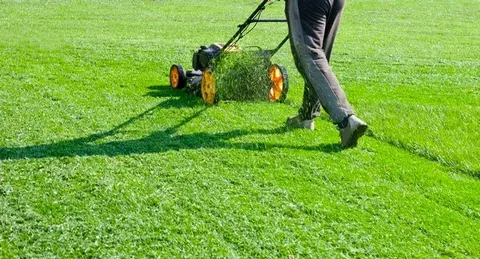
Mowing at a suitable height can help turf compete with unwanted plants. Cutting grass too short can weaken the lawn and expose more soil to sunlight, potentially creating opportunities for weed establishment. The appropriate mowing height depends on the turfgrass species, so homeowners should identify their grass before changing mowing practices. UF/IFAS also emphasizes that proper turfgrass identification should precede lawn-management decisions because different grasses have different requirements.
Using Fertilizer Carefully
Fertilizer should support the desired turf rather than simply be used as a response to visible weeds. Excessive or poorly timed applications can create unnecessary growth and may contribute to environmental losses. A better approach is to consider the grass type, soil conditions, and actual nutrient requirements. Maintaining suitable nutrition can support turf density while avoiding unnecessary applications that do not address the underlying reason weeds are appearing.
Considering Manual Weed Removal
Small numbers of weeds can sometimes be removed manually, particularly when they are isolated and easy to access. Removing weeds before they produce additional seed can help reduce future spread. However, some perennial weeds can regrow from underground structures, so pulling alone may not provide lasting control. The appropriate method depends on the species, size of the infestation, and condition of the surrounding turf.
Choosing Herbicides Carefully
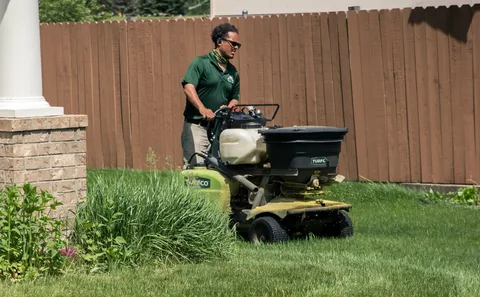
Herbicides should be selected according to the weed, turfgrass, timing, and intended result. UF/IFAS explains that preemergence products are generally used before certain weeds germinate, while postemergence products target weeds that are already growing. Product selection also needs to account for turfgrass tolerance because a treatment that controls a weed can potentially injure desirable grass if used incorrectly. Always follow the applicable product label directions.
Preventing New Weed Growth
Preventive weed management can reduce the number of weeds that need to be treated later. Depending on the weed species and turfgrass, preemergence treatments may help prevent certain annual weeds from becoming established. UF/IFAS notes that these products need appropriate activation through irrigation or rainfall and that excessive irrigation can move some products away from the intended soil layer. Timing and application conditions therefore matter.
Monitoring Problem Areas
Certain sections of a lawn may repeatedly develop weeds because of shade, compaction, poor drainage, thin turf, or other localized conditions. Homeowners can keep track of where weeds appear and whether the same areas experience problems each season. This information can help reveal patterns and encourage attention to the underlying lawn conditions rather than relying only on repeated weed removal.
Creating an Integrated Weed Management Routine
Effective weed management can involve several methods used together. UF/IFAS describes an integrated and systematic approach that combines appropriate cultural practices with control measures suited to the specific weed and turfgrass. Regular observation, proper mowing, suitable irrigation, healthy turf growth, manual removal, and carefully selected herbicides can all have a place when appropriate.
Keeping Your Leesburg Lawn Easier to Manage
Lawn weeds are easier to address when homeowners understand what they are dealing with and why they are appearing. Identifying the weed, checking turf density, reviewing irrigation, maintaining appropriate mowing, and considering soil and drainage conditions can help create a more practical maintenance plan. For homeowners dealing with recurring unwanted plants in Leesburg, Lawn Weeds Control Leesburg FL can be part of a broader approach focused on identification, prevention, turf health, and suitable control methods.
If weeds are spreading through your lawn or returning despite regular maintenance, consider arranging an appropriate lawn assessment. Contact a lawn-care service today to discuss the weed types you are seeing, your grass species, irrigation routine, lawn condition, and suitable next steps for your Leesburg property.